 Anacortes Window
 Why West Anacortes Roofs Wear Differently
Homes on the west side of Anacortes sit close to Rosario Strait and Guemes Channel, and that proximity to saltwater changes what a roof has to deal with every day. Salt-laden air corrodes exposed metal faster than it does even a few miles inland, wind-driven rain finds its way into laps and fastener holes that would stay dry elsewhere, and the shaded, damp conditions common on tree-lined lots keep moss and algae active for most of the year. A roofing product that performs fine in a dry inland climate can underperform here within a decade if it wasn't chosen and installed with these conditions in mind.
Metal roofing, done correctly, is one of the better answers to this environment — but "correctly" is doing a lot of work in that sentence. The panel material, the fastener type, the flashing details, and the underlayment all need to be matched to a coastal Skagit County site, not just picked off a standard spec sheet.
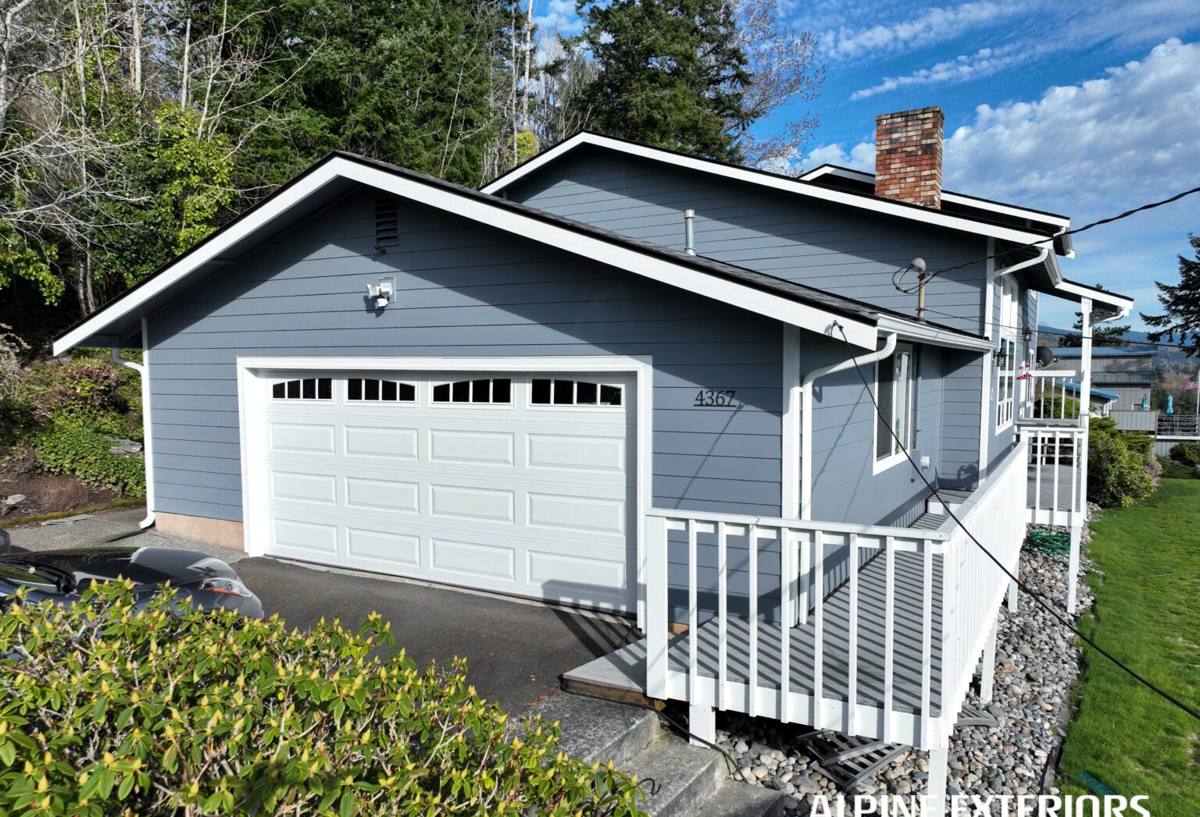
What West Anacortes Homes Actually Need From a Metal Roof
Before talking about panel styles or price, it helps to know what the roof is being asked to do here specifically:
- Resist salt-air corrosion on fasteners, flashing, and cut panel edges, not just the painted field of the roof
- Shed wind-driven rain that comes in at an angle, not just straight down, especially on exposed gable ends
- Discourage moss and algae growth on north-facing and shaded slopes that stay damp for long stretches
- Hold up to gusty marine wind events without panels lifting or seams working loose over time
- Handle occasional heavy rain volume without backing up at valleys, transitions, and low-slope sections
A metal roof that checks these boxes will outperform a lower-grade install for decades. One that skips even a couple of them tends to show problems — streaking, rust bleed, loosened panels, or leaks at penetrations — well before it should.
Panel Systems: What We Actually Recommend and Why
Not all metal roofing is the same product wearing a different name. The two main categories homeowners compare are standing seam and exposed-fastener panels, and the difference matters more on a coastal lot than it does inland.
| Feature | Standing Seam | Exposed Fastener |
|---|---|---|
| Fasteners | Concealed under the seam, no exposed penetrations | Screws through the panel face, exposed to weather |
| Coastal durability | Fewer weak points for salt air to attack | Gasketed screws age and need eventual replacement |
| Wind-driven rain resistance | Higher — interlocking seams shed sideways rain well | Adequate on moderate slopes, more exposure risk on shallow ones |
| Upfront cost | Higher material and labor cost | Lower upfront cost |
| Long-term maintenance | Minimal — no fasteners to re-torque or reseal | Fastener washers should be checked periodically |
We install both systems, and exposed-fastener panels are a legitimate, budget-conscious option for outbuildings, secondary structures, or lower-slope applications where they're detailed correctly. But for a primary West Anacortes residence within reach of salt spray, we generally steer homeowners toward standing seam — the concealed fastener system removes the single most common failure point on coastal metal roofs: aging screws and washers.
Panel Material
Galvalume steel (steel coated with an aluminum-zinc alloy) and aluminum are the two materials we recommend near the water. Galvalume offers strong corrosion resistance at a moderate price point and is the workhorse choice for most homes. Aluminum costs more but never rusts, even at cut edges, which makes it worth considering on homes with the most direct salt exposure. We generally advise against bare or lightly coated steel products in this location — the maintenance burden and shortened service life aren't worth the modest savings once you're this close to saltwater.
Fasteners, Flashing, and the Details That Actually Fail First
Most metal roof problems don't start in the panel field — they start at the details. On coastal homes, we pay particular attention to:
- Fastener grade: stainless steel or high-grade coated fasteners rated for coastal/marine exposure, not standard hardware
- Galvanic compatibility: making sure flashing, fasteners, and panel metal don't create a corrosion reaction where dissimilar metals touch
- Underlayment: a synthetic, high-temp underlayment with self-adhered ice-and-water membrane at eaves, valleys, and penetrations, since these are the spots wind-driven rain actually gets pushed into
- Ridge and hip venting: weather-resistant venting that won't become an entry point during a west-facing windstorm
- Penetration flashing: pipe boots, skylight curbs, and chimney flashing detailed and sealed for long-term movement, not just caulked
A metal roof is only as good as its weakest transition. We've seen otherwise decent panel installs fail early because a valley or fastener spec was treated as an afterthought.
Moss, Algae, and Drainage on Shaded Lots
Anacortes' long moss season is real, and metal roofing has a genuine advantage here — moss struggles to get a foothold on a smooth metal surface the way it does on shingles, and algae staining is far less common. That said, metal isn't immune, especially in shaded valleys, north slopes, or spots where debris collects and holds moisture against the panel.
We design panel layout and gutter placement to keep water moving off the roof rather than pooling, use closure strips and drip edges that don't create debris traps, and size gutters and downspouts for real Pacific Northwest rain volume rather than a generic minimum. On heavily treed lots we'll also talk through gutter guards or a periodic debris-clearing schedule, since even a well-built metal roof performs better when it isn't fighting a pile of fir needles at every valley.
Our Installation Process
- On-site assessment: we look at slope, exposure to prevailing wind and salt spray, existing decking condition, and drainage before recommending a system
- Material and panel selection: matched to the home's exposure level — Galvalume vs. aluminum, standing seam vs. exposed fastener, panel profile and color
- Tear-off and deck inspection: old roofing removed and the deck checked for rot or soft spots before anything new goes down, since metal roofing only performs as well as what's underneath it
- Underlayment and ice-and-water membrane: installed at all eaves, valleys, and penetrations before panels go on
- Panel installation: panels, seams, and fasteners installed to manufacturer spec and matched to coastal fastener standards
- Flashing, trim, and ventilation: all transitions detailed and sealed, ridge venting installed for proper attic airflow
- Final walkthrough: we review the finished roof with you, including what maintenance (if any) it will need going forward
What a Metal Roof Costs — And What Drives the Price
Metal roofing costs more upfront than asphalt shingles, but the gap has narrowed as shingle roofs in this climate need replacement more often. Rather than quote a flat number that won't hold up across different homes, here's what actually moves the price on a West Anacortes project:
| Cost Factor | Why It Matters |
|---|---|
| Panel system (exposed fastener vs. standing seam) | Standing seam runs higher due to material and labor complexity |
| Panel material (Galvalume vs. aluminum) | Aluminum costs more but adds corrosion resistance near the water |
| Roof complexity | Valleys, dormers, and multiple slopes add flashing and labor time |
| Deck condition | Rot or soft decking found during tear-off adds repair cost |
| Tear-off vs. overlay | Full tear-off costs more but is usually the right call on older roofs |
We give firm, itemized quotes after seeing the roof in person — we don't think ballpark numbers pulled from a phone call serve homeowners well when so much depends on the specifics of the home.
Maintenance: What a Metal Roof Actually Needs
One of the real advantages of metal roofing is how little upkeep it requires compared to shingles, but "little" isn't "none." A simple annual check keeps small issues from becoming roof issues:
- Clear debris from valleys, gutters, and downspouts, especially after fall leaf and needle drop
- Check exposed-fastener panels for loose screws or worn washers if that system was used
- Look at flashing around chimneys, skylights, and vents for any sign of sealant wear
- Watch for scratches or scuffs in the coating after any work on the roof (satellite dishes, solar mounts, etc.) and touch up promptly to prevent corrosion starting at bare metal
- Trim back overhanging branches that keep sections of the roof shaded and damp longer than necessary
Why a Crew That Already Works West Anacortes Matters
Coastal metal roofing isn't a different trade than metal roofing anywhere else, but it does reward experience with the specific stresses this side of Anacortes deals with — the salt exposure off the water, the wind patterns, the moss pressure on shaded lots, and the amount of rain the drainage design actually needs to handle. A crew that's installed and later serviced roofs in this exact area has already seen which fastener specs hold up, which flashing details leak first, and which shortcuts show up as callbacks two winters later. That experience shows up in the details you don't see on install day but will appreciate for the next thirty years.
If you're weighing metal roofing for a home in West Anacortes, we're happy to take a look and walk you through what your specific roof needs — no pressure, no hard sell. Reach out for a free estimate using the form below.