 Anacortes Window
 Windows Built for the Skagit Valley, Not Just Sold to It
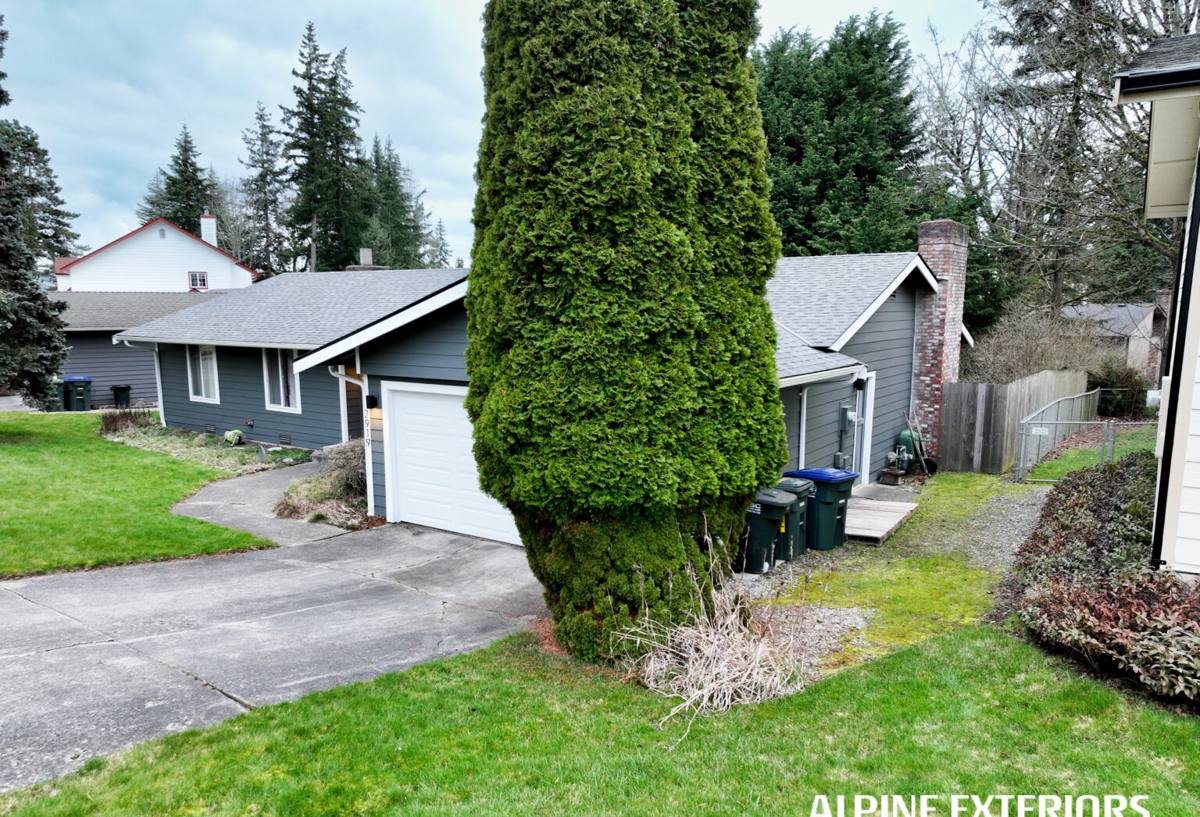
Mount Vernon sits inland from us on the Skagit River, but it shares the same marine air mass that rolls in off Puget Sound and Fidalgo Bay. That means long stretches of damp, overcast weather, driving rain that comes in sideways more often than straight down, and a moss season that can run from early fall through late spring. Windows take more abuse from this climate than most homeowners realize — not from any single dramatic event, but from steady, cumulative exposure to moisture, temperature swings, and shade from the evergreen tree cover that's common throughout Skagit County.
We've been doing exterior work — siding, roofing, decks, and windows — on homes in this region long enough to know that a window that performs fine in a dry inland climate can fail early here if it isn't installed and flashed correctly for our conditions. That's the difference a local crew brings: we're not guessing at how a product handles Northwest rain, we're watching it happen every week.
What the Local Climate Actually Does to Windows
A few specific mechanisms show up again and again on service calls in the Mount Vernon area:
- Seal failure from sustained humidity. Double-pane windows rely on a sealed gas fill between panes. Constant damp air accelerates the breakdown of that seal, which shows up as fogging or condensation trapped between the glass.
- Wood rot at frames and sills. Older wood-frame windows, especially on homes with limited roof overhang, take on moisture at the bottom rail and corners first. Once rot starts, it spreads faster in a wet climate than a dry one.
- Moss and algae buildup on sills and tracks. Shaded, north-facing windows in particular collect organic growth that holds moisture against the frame and can stain or degrade finishes over time.
- Wind-driven rain intrusion. Storms off the Sound and the valley's exposure to shifting westerly winds mean water gets pushed at windows horizontally, not just vertically — which exposes weak flashing and poor caulking that a milder climate would never reveal.
- Condensation on interior glass. Older single-pane or poorly insulated windows fog up on the inside during cold, damp mornings, which over time can contribute to sill and sash damage even without an exterior leak.
Signs Your Windows Need Attention
Most window problems don't announce themselves with a leak. They show up as smaller signals first. If you're seeing any of the following, it's worth having someone take a look before it becomes a bigger repair:
- Fogging or a hazy film trapped between the panes of a double-pane window
- Windows that are difficult to open, close, or lock — often a sign of frame swelling or warping
- Visible gaps, cracked caulk, or peeling paint around the exterior trim
- Soft or discolored wood at the sill or bottom corners of the frame
- Drafts you can feel near the window even when it's fully closed
- A noticeable jump in heating costs without any other explanation
- Moss, black staining, or persistent green growth on sills, tracks, or exterior trim
- Condensation on the inside of the glass that doesn't clear once the room warms up
Repair vs. Replacement: How We Decide
Not every window problem calls for full replacement, and we won't tell you it does. A window with a failed seal but a sound frame is often a good candidate for a glass unit replacement — swapping the insulated glass without touching the sash or frame. A window with rot at the frame, hardware that's beyond adjustment, or single-pane glass with no realistic upgrade path is usually better served by full replacement.
The honest factors we walk through with homeowners:
| Situation | Usually Repair | Usually Replace |
|---|---|---|
| Fogged glass, frame is solid | Yes — glass unit swap | Not necessary |
| Rot at sill or frame corners | Sometimes, if localized | Often, once structural |
| Hardware sticking or misaligned | Yes — adjustment or parts | Not necessary |
| Single-pane, no insulation upgrade path | Rarely cost-effective long term | Yes |
| Persistent air/water leaks despite good caulking | Worth one attempt | Yes, if leaks continue |
We'll always give you the repair option when it's a reasonable one. Full replacement makes sense when it will actually stop the underlying problem instead of buying a year or two.
Window Material Options for This Climate
There's no single "best" window material — there's a best fit for your home, your budget, and how much upkeep you want to take on. Here's how the common options hold up specifically in a wet, mossy, marine climate like ours:
| Material | Moisture Resistance | Maintenance | Best Fit |
|---|---|---|---|
| Vinyl | Very good — won't rot, doesn't need painting | Low — occasional cleaning | Most homes, best value |
| Fiberglass | Excellent — stable in temperature and moisture swings | Low | Larger openings, longer-term durability |
| Wood | Requires ongoing protection to hold up here | High — repainting/sealing on a schedule | Historic or character-driven homes where appearance is the priority |
| Aluminum (older stock) | Prone to condensation and corrosion over time | Moderate | Generally not our first recommendation for new installs in this climate |
We're upfront that we lean toward vinyl and fiberglass for most Mount Vernon homes, simply because they handle sustained moisture with the least long-term maintenance. Wood windows can still be the right call on an older or historic home where matching the original look matters more than minimizing upkeep — we just make sure you know what the maintenance schedule looks like going in.
Energy Efficiency and Moisture Control
Beyond comfort, window performance affects how much moisture builds up inside a home — which matters in a region where indoor humidity is already fighting an uphill battle against outdoor damp for much of the year. Modern double-pane and low-E glass options reduce interior condensation, which in turn reduces the conditions that let mold and mildew take hold around window frames and nearby trim.
When we quote a replacement, we talk through glass package options (standard double-pane versus low-E coatings, and triple-pane where it makes sense for a particularly exposed wall) rather than pushing the most expensive option by default. For most homes in the Mount Vernon area, a quality double-pane low-E unit is the practical sweet spot between upfront cost and long-term performance.
Proper Flashing and Installation Matter More Than the Window Itself
We'll say this plainly: a premium window installed with poor flashing will leak, and a mid-range window installed correctly will outperform it. Given how much wind-driven rain this area sees, we treat flashing, sealant, and drainage detailing as the part of the job that actually determines whether you get twenty years of trouble-free performance or a callback in eighteen months.
Older Homes vs. Newer Construction in Mount Vernon
The Skagit Valley has a real mix of housing stock — established homes in and around Mount Vernon's older neighborhoods with original wood or early-generation aluminum windows, alongside newer subdivisions built with vinyl windows that are now reaching the age where seals commonly start to fail. The approach differs for each:
- Older homes often need attention to the surrounding trim and sheathing as much as the window itself, since decades of moisture exposure can affect what's behind the frame, not just the frame.
- Newer homes with failing seals are frequently straightforward glass-unit or full-unit swaps, especially if the original installation and flashing were sound.
Either way, we assess the full opening — not just the glass — before recommending a scope of work, because a window replacement done without checking what's underneath can trap an existing moisture problem instead of solving it.
Why a Local Crew Matters
We work throughout Skagit County, and Mount Vernon is a regular part of that territory. That matters for a few practical reasons: we know how this climate behaves across a full year, not just on the day of the estimate. We can schedule around the weather patterns that actually affect install quality — you don't want caulking or sealant applied during a soaking rain, and a crew that works this region knows how to plan around it. And because we handle siding, roofing, and decks in addition to windows, we can flag related issues — a roofline that's dumping water onto a window head, or siding that's trapping moisture against a frame — instead of treating your windows as an isolated problem.
Getting an Estimate
If you're dealing with fogged glass, drafty rooms, sticking hardware, or you're just planning ahead for a home in the Mount Vernon area, we're happy to take a look and give you a straight assessment — repair where it makes sense, replacement where it doesn't, and honest reasoning either way. Use the form below to request a free, no-pressure estimate.