 Anacortes Window
 Windows on Fidalgo Island Work Harder Than Windows Inland
If you own a home on Fidalgo Island, you already know your windows deal with more than the average Skagit County house. You're surrounded by saltwater on nearly every side, exposed to weather rolling in off Rosario Strait and Guemes Channel, and stuck with a long, damp stretch of the year when moss, algae, and standing moisture never really go away. None of that is a reason to panic about your windows, but it is a reason to think about them differently than a homeowner in, say, Mount Vernon or Sedro-Woolley would.
Salt-laden air corrodes metal hardware faster. Wind-driven rain finds gaps that would never be a problem in a calmer climate. And a moss season that can stretch from fall through spring keeps organic growth and trapped moisture in contact with your window frames and trim for months at a stretch. We've built our approach around those specific conditions, not a generic "Pacific Northwest" playbook.
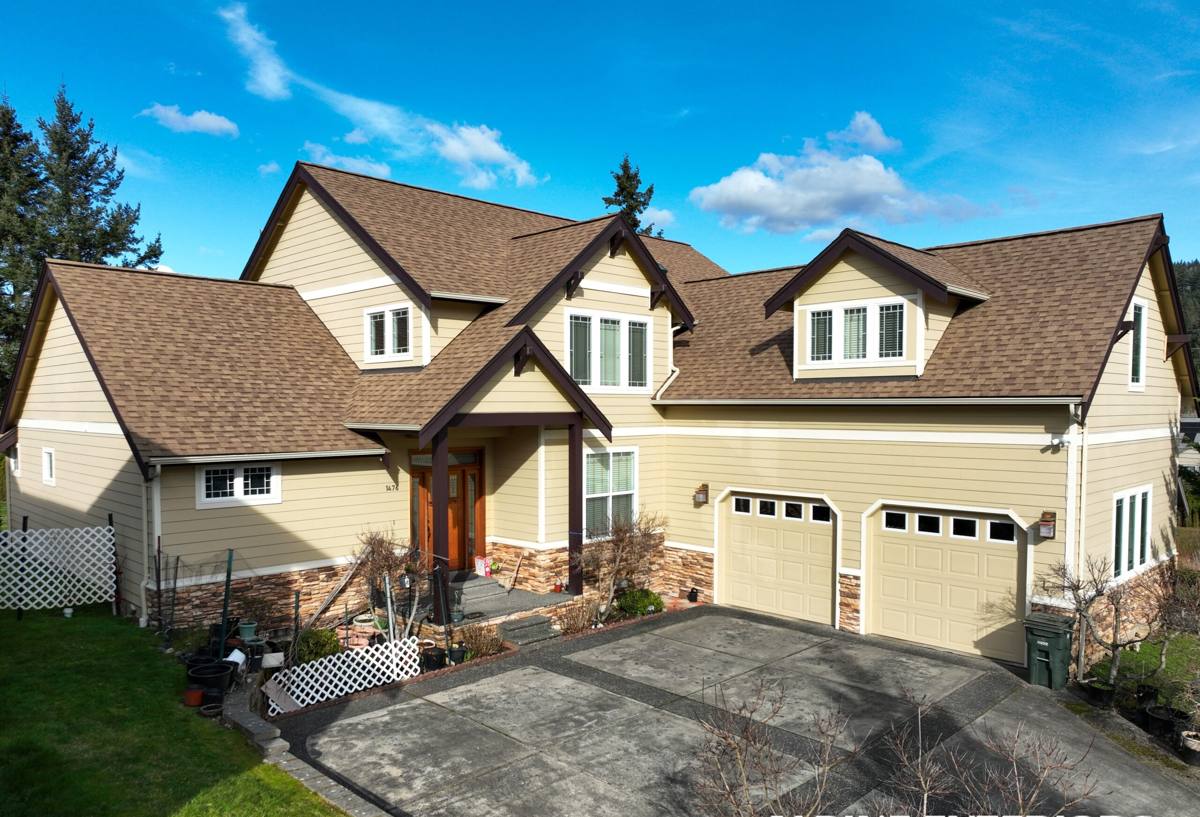
What Salt Air, Rain, and Moss Actually Do to a Window
Salt Air and Hardware
Locks, hinges, cranks, and screws are usually the first casualties. Even good-quality hardware can start to pit, stick, or corrode years ahead of schedule when it's a few blocks from saltwater. Once hardware seizes up, homeowners often force a window open or shut, which stresses the frame and seals around it.
Driving Rain and Wind Pressure
Anacortes doesn't usually get the heaviest total rainfall in the region, but it does get rain pushed sideways by wind off the water. That kind of weather tests flashing, sill pans, and weep systems in a way that gentle, straight-down rain never does. A window that's watertight in calm conditions can still leak during a wind-driven storm if the installation details weren't done right.
Moss, Algae, and Trapped Moisture
Moss doesn't grow on the glass, but it loves the shaded, damp wood trim, sills, and corners around a window — especially on north- and west-facing walls that don't get much sun to dry out between storms. Left alone, that moisture holds against wood trim and painted surfaces, which is where rot usually starts, not in the window unit itself.
Signs Your Windows Are Losing the Fight
Most window problems on the island show up gradually. Here's what we tell homeowners to watch for:
- Fogging or a permanent haze between panes of double-glazed glass — a sign the seal has failed
- Windows that are hard to open, close, or lock, especially ones facing the water
- Visible rust or white corrosion on hinges, cranks, or latches
- Soft, discolored, or spongy wood on the sill or surrounding trim
- Drafts you can feel on a windy day, even with the window latched
- Paint that's bubbling or peeling specifically around the window frame, not the whole wall
- Visible moss or dark green-black staining collecting in window corners or on sills
- A noticeable jump in heating costs without any other explanation
Any one of these on its own might just need attention. Several together, especially on an older home, usually means it's time for a real conversation about repair versus replacement.
Repair or Replace? How We Actually Make That Call
We don't default to "replace everything" just because a house is on the water. A lot of window problems on Fidalgo Island are legitimately fixable — failed weatherstripping, a stuck balance, a corroded lock set, or rotted trim around an otherwise sound frame. Replacement makes sense when the frame itself has failed, the seal is gone on multiple units, or the glass is single-pane and working against your energy bill every month of the year.
| Situation | Usually Repair | Usually Replace |
|---|---|---|
| Foggy glass, sound frame and hardware | Yes — seal failure means replacing the glass unit or window | |
| Stiff crank, corroded hinge, frame otherwise solid | Yes — hardware can often be replaced or serviced | |
| Rotted sill, frame structurally intact | Yes — sill and trim repair, sometimes with a partial frame rebuild | |
| Single-pane glass, original to an older home | Yes — the energy and moisture case is usually strong | |
| Frame soft or rotted through in multiple spots | Yes — repair won't hold long-term | |
| One or two problem windows on an otherwise healthy house | Often | Sometimes, case by case |
When we come out for an estimate, we'll tell you honestly which category your windows fall into — including if the answer is "these are fine for now."
Frame Materials That Make Sense for a Marine Climate
Frame material matters more here than it does further inland, mostly because of moisture and salt exposure over the long haul. We steer most Fidalgo Island homeowners toward vinyl or fiberglass frames for that reason — both resist corrosion and don't rely on paint to stay protected. Wood-clad windows can still be the right call for a specific look or a historic home, but they come with a maintenance commitment we're upfront about: the cladding needs to be inspected and maintained, especially anywhere it's exposed to driving rain.
| Frame Type | Salt/Moisture Resistance | Maintenance | Typical Fit |
|---|---|---|---|
| Vinyl | Very good — won't corrode or rot | Low | Most homes, best value |
| Fiberglass | Excellent — very stable in wet/salt conditions | Low | Larger openings, higher-exposure walls |
| Wood-clad | Good if maintained; cladding protects the wood core | Moderate — periodic inspection needed | Historic or period-style homes |
| Aluminum | Poor without special coatings — prone to corrosion near saltwater | Moderate to high | We generally don't recommend it this close to the water |
We're not against aluminum or wood windows as products — we just tell people plainly what upkeep they're signing up for on an island this exposed, and let them decide with real information instead of a sales pitch.
Glass Packages Worth Paying For Here
Double-pane, low-E glass with an argon fill is the baseline we'd recommend for almost any Fidalgo Island home — it's a meaningful step up from older single-pane or basic double-pane units, both for comfort and for cutting down condensation on cold, damp mornings. Triple-pane glass is worth the extra cost on north- or water-facing walls that take the brunt of the wind, or in rooms where you've noticed the most drafts and heat loss. It's not something every window in the house needs, and we'll say so rather than upselling the whole project.
Low-E coatings also help cut glare off the water on bright days, which is a real comfort factor for homes with a water view — not just an energy talking point.
Why Installation Details Matter More Here Than the Window Itself
A high-end window installed poorly will leak. A mid-range window installed correctly, with proper flashing, a sloped sill pan, and correctly integrated house wrap, will hold up for decades. On a site this exposed to wind-driven rain, installation quality is honestly a bigger factor in long-term performance than the brand of window you choose.
What we pay attention to on every install:
- Sill pan flashing that directs water out and away from the framing, not just under the window
- Proper integration with your existing house wrap or weather-resistant barrier, shingle-style, so water sheds correctly
- Sealant and backer rod used correctly around the perimeter — not just a bead of caulk as an afterthought
- Weep holes and drainage paths left clear, not accidentally sealed shut
- Fasteners and hardware chosen for corrosion resistance, not just whatever's on the truck
Timing a Window Project Around Island Weather
We can install windows through most of the year, but there are practical reasons to plan around the wettest, windiest stretches when possible. Openings are exposed to the weather during the swap, and a calmer window of days makes for a cleaner, drier install — especially on multi-window or whole-house projects. If your project needs to happen during the rainy months, we plan the sequencing and protect open walls accordingly; it's not a reason to put off a repair that can't wait.
Why a Local Anacortes Crew Matters for This Kind of Work
A crew that works Fidalgo Island regularly has already seen how a particular wall orientation, elevation, or exposure to the water plays out over a few winters. That's not something you get from a general contractor passing through from off-island. We know which details actually matter here — corrosion-resistant hardware, sill flashing that accounts for wind-driven rain, and realistic maintenance expectations for whatever frame material you choose. That local pattern recognition is worth more than it sounds like on paper, and it's the main reason we push back, respectfully, when a product or shortcut isn't going to hold up to this specific climate.
We also handle siding, roofing, and decks, so if a window problem turns out to be connected to something bigger — rotted sheathing, a roof flashing issue, or trim that's failing on the whole wall, not just around the window — we can look at the full picture instead of patching one symptom and leaving the cause in place.
What to Expect When You Call Us
We start with an honest look at what you've actually got: frame condition, seal integrity, hardware, and how the current installation is handling water. From there we'll walk you through what's repairable, what's worth replacing, and roughly what that involves — without pressuring you toward a bigger project than your house needs. If it's one window with a failed seal, that's what we'll quote. If it's time to talk about the whole house, we'll explain why, in plain terms.
If you're noticing drafts, fogged glass, stiff hardware, or moisture damage around your windows anywhere on Fidalgo Island, we're happy to come take a look. The estimate is free, there's no pressure attached to it, and you'll walk away with a straight answer about what your windows actually need — use the form below to get started.