 Anacortes Window
 Two Ways to Replace a Window, and Why the Choice Isn't One-Size-Fits-All
When it's time to replace old windows, most homeowners assume there's just one way to do it: pull out the old window, put in a new one, done. In practice, there are two distinct methods, and they solve different problems. Insert windows (sometimes called "pocket" or "retrofit" windows) fit inside the existing window frame, leaving your original wood or vinyl frame, exterior trim, and siding undisturbed. Full-frame replacement removes everything down to the rough opening — old frame, sill, and sometimes the surrounding trim — and installs a brand-new window unit with new flashing from scratch.
Both are legitimate, widely used methods. Neither is automatically "better." What matters is matching the method to the actual condition of the wall behind your existing window, and that's a judgment call that depends on inspection, not guesswork or a sales pitch.
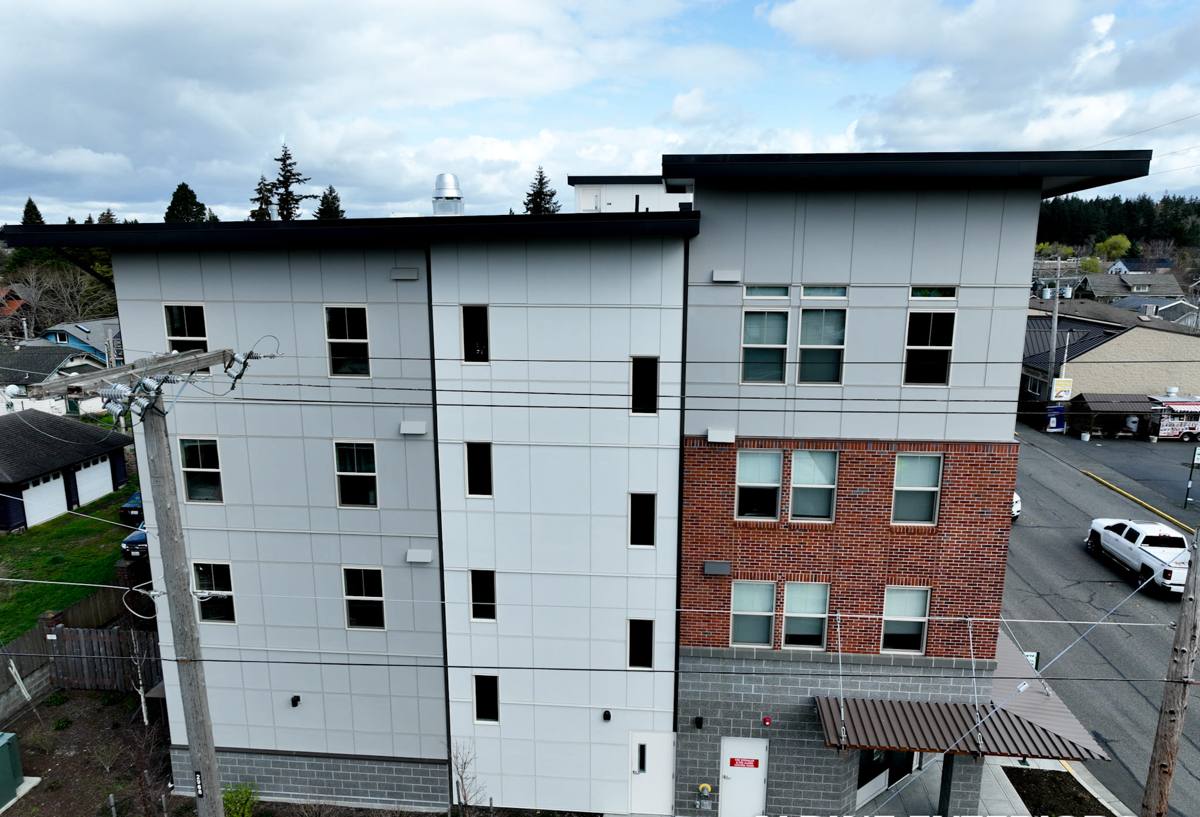
Why This Decision Carries More Weight in Anacortes
Skagit County homes take a specific kind of beating that inland houses don't. Salt-laden air off Fidalgo Bay and the Guemes Channel accelerates corrosion on fasteners, hardware, and unprotected metal flashing. Wind-driven rain off Puget Sound doesn't just fall straight down — it gets pushed sideways into wall assemblies, testing every seam and joint around a window opening. And our long, damp moss season keeps north-facing walls and shaded siding wet for weeks at a stretch, which is exactly the environment wood rot and hidden mold need to get established.
None of that shows up on the inside of your house until it's already a problem. A window that looks fine from your living room can be sitting in a rough opening with soft, water-damaged framing that nobody's looked at since the house was built. That's the core reason this decision matters here more than it might in a drier climate: choosing insert windows when the wall behind them is already compromised just seals moisture damage inside the wall for another 20 years.
When Insert Windows Make Sense
Insert replacement is a good fit when the existing frame and rough opening are structurally sound and properly flashed. It's faster, less invasive, and doesn't disturb your exterior siding or interior trim, which keeps costs down and mess to a minimum.
Good candidates for insert windows
- The original frame is solid wood or vinyl with no soft spots, cracking, or visible rot when probed
- There's no history of water staining, mold, or musty smell around the window on the interior
- The siding and trim around the window are in good condition and you don't want to disturb them
- You're replacing several windows in a home that's otherwise well-maintained and was built or re-sided within the last couple of decades
- Budget and timeline favor a faster, less disruptive project
Inserts do reduce the glass-to-frame ratio slightly, since the new unit fits inside the old frame rather than replacing it. On most standard-size windows that difference is minor, but it's worth knowing about before you decide, especially on smaller openings where every inch of glass matters.
When Full-Frame Replacement Is the Right Call
Full-frame is the only honest option when the existing opening has a problem that an insert would simply cover up. It costs more and takes longer because it involves removing exterior trim or siding, cutting out the old frame, inspecting and repairing the framing underneath, and installing new flashing before the new window ever goes in.
Signs a window needs full-frame replacement, not an insert
- Soft, spongy, or discolored wood anywhere around the frame or sill
- Visible gaps, cracked caulk, or daylight showing around the old frame from outside
- Interior staining, bubbled paint, or a musty smell near the window, especially after heavy rain
- The window is out of square, hard to open, or the frame has visibly warped
- You're also re-siding or doing exterior work in that area anyway, making it the natural time to address the opening properly
If any of these are present, an insert window installed over that opening doesn't fix the underlying issue — it just puts a new window on top of a wall that's already failing. The rot keeps spreading behind the new frame, unseen, until it eventually shows up as a bigger and more expensive repair.
What's Actually Happening Behind Your Walls
This is the part that doesn't show up in a quick walk-around estimate. A window opening is a system: rough framing, a sill pan or sloped sill to shed water, flashing tape or building paper integrated with the water-resistive barrier, and the window unit itself sealed into that system. If any one piece of that system has failed — often the flashing, which has a limited service life even when installed correctly — water gets behind the siding and into the wall cavity long before it's visible inside the house.
In a marine climate like ours, with sustained wind-driven rain and long stretches of damp weather, that kind of slow intrusion is common in homes with older or improperly flashed windows. It's also completely invisible from a quick look at the window itself. That's why an honest assessment before choosing insert vs. full-frame means actually probing the frame and, where there's any doubt, opening up a section of exterior trim to look at what's underneath — not just eyeballing the window from across the room.
Cost Factors to Weigh
Full-frame replacement costs more than insert replacement for the same window size, but the gap depends heavily on what's found once the opening is exposed. Here's a general breakdown of what drives the price difference:
| Factor | Insert Windows | Full-Frame Replacement |
|---|---|---|
| Labor time per window | Lower — no siding or trim removal | Higher — removal, framing repair, new flashing, trim work |
| Exterior siding/trim impact | Untouched | Disturbed and must be patched or replaced to match |
| Hidden repair risk | Low if frame is genuinely sound | Built into the process — rot or bad flashing gets fixed, not hidden |
| Glass area (daylight opening) | Slightly reduced | Can match or maximize original opening size |
| Best long-term fit for | Sound, well-maintained openings | Any opening with moisture history or structural doubt |
The honest way to think about it: insert windows are cheaper because there's less work to do, not because they're a lesser product. The savings only make sense if the wall behind the window doesn't actually need that extra work.
Installation Sensitivity: Why the Install Matters More Than the Brand
Whichever method fits your home, the quality of the installation matters more than which window brand you choose. A premium window installed with poor flashing detail or inadequate sealant will underperform a mid-range window installed correctly — especially in a climate that tests every seam with driving rain the way ours does. Proper shimming, air-sealing, and flashing integration aren't optional extras; they're what determines whether the window actually keeps water out for the next 20-plus years, salt air and moss season included.
This is also why we won't quote an insert-only job sight unseen. Anyone offering a firm price over the phone without inspecting the actual frame condition is guessing, and in this climate a wrong guess gets expensive fast once it's hidden behind a new window.
A Practical Checklist Before You Decide
Before committing to either approach, walk your windows and check for these:
- Press firmly on the sill and lower frame corners — any give or softness signals rot
- Look for peeling paint, bubbling, or dark staining on interior trim near the window
- Check for a musty or damp smell in the wall cavity, especially after a rainy stretch
- Inspect the exterior caulk line — cracked, missing, or pulling-away caulk lets water in
- Note whether the window operates smoothly or binds, which can indicate a frame out of square
- Consider the age of your siding and whether exterior work is already planned
If none of those raise a flag, an insert window is likely a sound, cost-effective choice. If even one does, it's worth having someone open up the opening and look before committing to a method.
Making the Right Call for Your Home
There's no substitute for an in-person look at the actual condition of your window openings. What works for a neighbor's house with newer siding may not be the right call for a house closer to the water or one with a history of moisture issues. The goal isn't to sell you the more expensive option — it's to make sure whichever method you choose actually solves the problem for the long haul, given what our coastal weather does to a home over time.
If you're weighing full-frame versus insert windows for your Anacortes home, we're happy to take a look and give you a straight answer on what your windows actually need. Reach out for a free, no-pressure estimate using the form below.