 Anacortes Window
 Board & Batten Siding in Sedro-Woolley: A Look That Has to Earn Its Keep
Board and batten has become one of the most requested siding profiles in Skagit County, and it's easy to see why. The vertical lines read as clean and modern on a new build, but they also sit comfortably on a farmhouse, a craftsman remodel, or a simple ranch that needs an updated front elevation. In Sedro-Woolley and the surrounding Anacortes service area, though, board and batten has to do more than look good. It has to hold up to a marine-influenced climate that swings between damp winters, driving rain off the Sound and the Skagit Valley, and a moss season that can stretch for months. We install board and batten siding for homeowners in this area regularly, and this page is about what actually matters when you choose that profile here — not a generic rundown of a popular siding style.
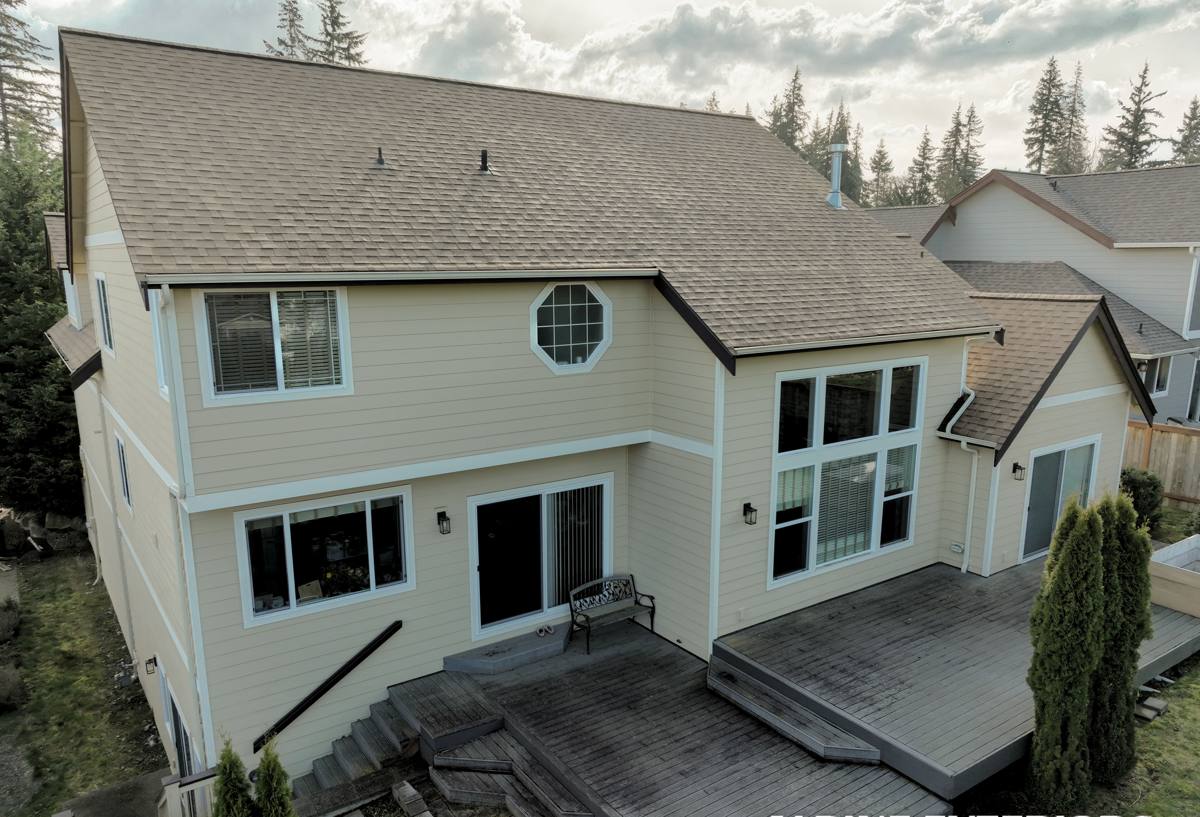
What This Climate Actually Does to Board & Batten Siding
Vertical board and batten has more seams than horizontal lap siding — every batten strip creates a joint, and every joint is a place water can find its way behind the material if the install isn't done right. That's not a knock on the profile; it's just physics. In a drier inland climate, a mediocre board and batten job might go a decade before anyone notices a problem. In Skagit County, the margin for error is much smaller.
Salt Air and Corrosion
Anacortes and the surrounding waterways put a steady dose of salt-laden moisture into the air, and that air moves inland with the wind. Salt air accelerates corrosion on fasteners, flashing, and trim — which is why fastener choice and flashing detail matter as much as the siding board itself. Cut corners here and the first sign of trouble is often rust streaking down a batten years before the siding itself would have failed.
Driving Rain
Storms coming off the water don't just fall straight down — they drive rain sideways into wall assemblies, and board and batten's vertical seams are directly in the path. A weather-resistive barrier that's lapped correctly, along with proper joint treatment behind every batten, is what keeps that rain from becoming a hidden moisture problem inside the wall cavity.
The Long Moss Season
Shaded north walls, tree cover, and months of damp weather give moss and algae a long runway to establish themselves on siding. Some materials resist that growth better than others, and the finish on the siding matters just as much as the substrate. A board and batten wall that stays damp behind the boards, or that has a finish moss can grip easily, is going to need more scrubbing, more repainting, and more attention than one built to shed water and resist growth from the start.
Materials We Don't Install for Board & Batten — and Why
Board and batten can be built from several different materials, and we get asked about all of them. Here's an honest rundown of why we don't use them, even though each has its fans.
Vinyl Board & Batten
Vinyl board and batten panels are inexpensive and go up fast, but vinyl expands and contracts significantly with temperature swings, which can telegraph through as waviness over time, and it's a poor match for the impact resistance and rigidity homeowners expect from a premium vertical profile. It also can't be painted to a custom color without voiding warranties on most product lines.
LP SmartSide
LP SmartSide is an engineered wood product with a resin-treated strand substrate, and it performs reasonably well when installed and maintained correctly. But it's still wood-based, meaning cut edges, fastener penetrations, and butt joints need diligent sealing to keep moisture out — and in a climate with this much sustained dampness, that's an ongoing maintenance commitment we don't think is fair to hand a homeowner without saying so upfront.
Cedar and Primed Spruce
Real wood board and batten is beautiful, and there's a reason it's the traditional choice for this look. But solid wood siding in a marine climate needs consistent refinishing, is vulnerable to moisture absorption at end grain and joints, and gives moss and mildew an organic surface to take hold on. It can be done well, but it asks a lot of ongoing upkeep from the homeowner to stay looking good here.
Cemplank and Allura
These are other fiber cement manufacturers, and fiber cement as a category is the right call for this climate. Our reason for standardizing on one brand isn't that the category is wrong — it's that we've settled on the specific product line, factory finish process, and warranty structure we trust enough to put our name behind, and that's James Hardie.
Why We Install James Hardie Board & Batten
For vertical board and batten, we typically build the assembly from HardiePanel vertical siding with HardieTrim battens over the panel joints — a system engineered specifically for this look rather than a lap product re-purposed vertically. A few things about it matter directly for Skagit County homes:
- Non-combustible fiber cement: won't ignite, warp, or rot the way wood-based products can.
- HZ5 formulation: James Hardie's HZ product lines are engineered for specific climate zones, and the HZ5 formulation is built for regions with freeze-thaw cycling and sustained moisture exposure — a good match for the Pacific Northwest.
- ColorPlus factory finish: a baked-on finish applied under controlled conditions, which holds color and resists the fading and moisture uptake that field-applied paint is more vulnerable to.
- Dimensional stability: fiber cement doesn't expand and contract with humidity the way wood and some engineered products do, so joints and fastener lines stay tighter over time.
- Transferable warranty: James Hardie backs its products with a strong warranty that can transfer to a new owner if the home sells, which matters to buyers doing due diligence in this market.
What a Correct Board & Batten Installation Actually Involves
The material is only half the equation. We've seen board and batten jobs fail early not because the siding was wrong, but because the install skipped steps that don't show up until the first bad storm season. A correct job includes:
- A properly lapped weather-resistive barrier installed before any siding goes up, with all penetrations sealed.
- Correct flashing at every window, door, and roofline transition — this is where most water intrusion problems actually start.
- Panel joints and butt joints treated per manufacturer specification, not just caulked and hoped for.
- Battens fastened on proper layout and spacing so they cover panel seams fully and consistently.
- Fasteners rated for coastal/corrosive environments, driven to the correct depth — not over-driven, which cracks fiber cement, and not under-driven, which leaves it loose.
- Proper clearance at the foundation and grade line so the siding doesn't wick moisture from the ground up.
Any one of these steps done wrong can undercut an otherwise good material choice. This is a big part of why we think the installer matters as much as the product.
Our Process for Sedro-Woolley Homes
Because we're based in Anacortes and work Skagit County regularly, we already know what this area's homes are up against — the moisture load, the moss, the salt-air corrosion risk — before we ever walk the site. That shows up in a few concrete ways during a project:
Assessment
We walk the exterior, check the condition of the existing wall assembly where it's exposed, and look at drainage, grade, roofline transitions, and sun/shade exposure — all of which affect how the new siding will perform long-term.
Scope and Detailing
We spec out the weather barrier, flashing details, batten layout, and trim package before material ever gets ordered, so there are no surprises mid-install.
Installation
Crew installs to manufacturer specification, with attention to the fastening and joint details that matter most in this climate.
Walkthrough
We go over the finished work with the homeowner, including what maintenance (if any) is realistically needed going forward.
Board & Batten Cost Factors
Every project is different, but these are the main variables that move the price of a board and batten job in this area:
| Factor | Why It Matters |
|---|---|
| Wall condition underneath | Rot or moisture damage found during tear-off adds repair work before new siding can go up |
| Home height and access | Multi-story walls and tight lot lines require more scaffolding and labor time |
| Trim and detail complexity | Dormers, gables, and multiple roof transitions multiply flashing and cutting work |
| Batten spacing and reveal | Tighter batten spacing uses more material and labor than a wider reveal |
| ColorPlus vs. field paint | Factory-finished color is a different cost structure than field-primed and painted trim |
| Full re-side vs. accent wall | Board and batten used as a full envelope costs differently than an accent gable or entry feature |
Maintenance: What Board & Batten Actually Needs Here
One advantage of doing this right the first time is that ongoing maintenance becomes simple rather than a recurring project. A well-installed James Hardie board and batten wall in this climate generally needs:
- An annual visual check of caulked joints, especially around windows and doors, for cracking or separation
- Periodic gentle washing to keep moss and algae from establishing, particularly on shaded north- and east-facing walls
- Clearing debris and vegetation that traps moisture against the base of the siding
- Prompt attention to any impact damage so it doesn't become a moisture entry point
- Keeping gutters and downspouts functioning so roof runoff isn't dumping directly onto wall sections
That's a short list compared to what wood or engineered wood siding asks for in this climate, and it's a direct result of both the material and the install being done to spec.
Is Board & Batten the Right Call for Your Home?
Board and batten isn't the right fit for every house — some rooflines and architectural styles read better with a traditional lap profile, or a mix of the two. Part of an honest estimate is telling you when a different siding approach makes more sense for your specific home, rather than pushing a profile because it's trending. If board and batten is the right call for your Sedro-Woolley property, we'll walk you through exactly what the James Hardie system looks like on your home, what it costs, and what to expect from installation through the first few years of ownership.
If you're weighing board and batten siding for a home in the Sedro-Woolley or greater Anacortes area, we're happy to come take a look and put together a free, no-pressure estimate — no obligation, just a straight answer on what your home needs.