 Anacortes Window
 Why Fidalgo Island Decks Wear Differently
Decks on Fidalgo Island don't fail the way decks do in drier inland climates. Between the marine air coming off Rosario Strait and the surrounding waters, the long stretches of driving rain typical of Skagit County winters, and a moss season that can run from fall through spring, the wood and hardware holding a deck together take a steady, compounding beating. A deck that looks fine from the yard can still have a ledger board that's held on with rusted fasteners, joists that have been quietly absorbing water for years, or decking boards that are cupping and splintering from repeated wet-dry cycles.
We repair decks all over Anacortes and the surrounding island, and the pattern is consistent: the damage almost always starts where water sits, salt air accelerates corrosion of metal connectors, and moss and algae hold moisture against wood surfaces longer than most homeowners realize. Understanding that pattern is the difference between a repair that lasts and one that's just cosmetic.
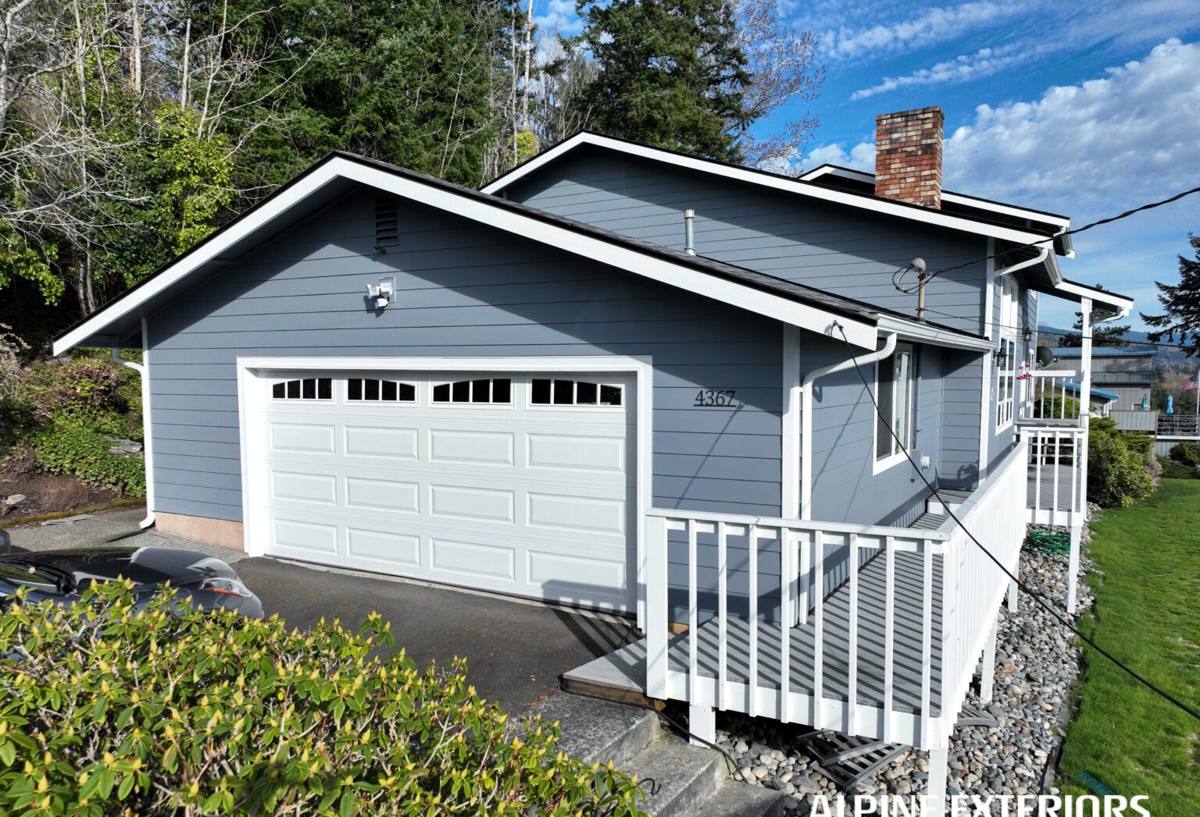
How Salt Air, Rain, and Moss Actually Damage a Deck
Salt Air and Metal Fasteners
Proximity to salt water speeds up corrosion on anything metal — joist hangers, screws, bolts, and flashing. Once a fastener starts rusting, it loses holding strength long before it looks obviously bad. This matters most at structural connections: ledger-to-house attachment, post bases, and joist hangers. A deck can appear stable while its actual load-bearing hardware has quietly degraded underneath.
Driving Rain and Water Intrusion
Wind-driven rain doesn't just fall on a deck, it gets pushed sideways into seams, under flashing, and into any gap where the ledger meets the house. Over time this is one of the most common sources of hidden rot, because the damage happens behind or under boards where it's not visible during a casual look.
Moss, Algae, and Trapped Moisture
A long moss season means organic growth has more time to establish itself on decking, especially in shaded areas or spots that don't get much sun exposure. Moss and algae hold moisture against the wood surface far longer than bare wood would dry on its own, which softens fibers, degrades any factory finish, and makes the surface more slippery and more prone to splitting when foot traffic and weather stress it.
Signs a Fidalgo Island Deck Needs Repair
Most decks give warning signs well before anything becomes a safety issue. Catching these early is what keeps a repair a repair instead of a full rebuild.
- Soft or spongy spots when you walk across the decking
- Visible rust staining around screws, bolts, or joist hangers
- Boards that are cupping, splitting, or have gone silvery-gray and rough
- A railing that flexes or wiggles more than it used to
- Gaps opening up where the ledger board meets the house
- Persistent moss or dark staining that keeps coming back after cleaning
- Stairs that feel less solid, or treads that have visible wear at the nosing
- Any post that feels loose at its base or shows daylight/gapping where it meets the deck frame
What a Correct Deck Repair Actually Involves
Structure First, Surface Second
A repair that only replaces a few visibly damaged boards without checking what's underneath is doing half the job. Before we touch decking material, we check the framing: ledger attachment, joists, beams, and posts. If the structure underneath is compromised, replacing the surface boards alone just buys a little time before the same problem resurfaces.
Ledger Board Inspection
The ledger is where the deck attaches to the house, and it's also where a lot of hidden water damage originates on homes exposed to driving rain. We check for proper flashing, look for soft or discolored wood, and confirm the attachment hardware is rated for the load and hasn't degraded from corrosion.
Fastener and Hardware Assessment
Given how salt air affects metal locally, we pay close attention to joist hangers, structural screws, and post connectors. Corroded hardware gets replaced with fasteners rated for exterior and coastal-adjacent exposure — this is not an area to cut corners, because it's the hardware holding the whole structure together.
Decking, Railing, and Stair Repairs
Once we've confirmed the frame is sound, we address the visible elements: replacing damaged boards, tightening or rebuilding railings to current safety expectations, and repairing or rebuilding stair treads and stringers where wear or rot has set in.
Repair vs. Replace: What Actually Determines the Call
Homeowners often ask whether it makes more sense to repair a section or replace the whole deck. The honest answer depends on how much of the structure is still sound, not just how the surface looks.
| Factor | Leans Toward Repair | Leans Toward Replacement |
|---|---|---|
| Framing condition | Joists, beams, and ledger are solid | Widespread rot or corrosion in structural members |
| Extent of damage | Isolated boards or a single section | Damage spread across most of the deck surface |
| Age of the deck | Newer deck with a specific problem area | Deck is at or past its expected service life |
| Hardware condition | Fasteners and connectors are still serviceable | Widespread rust or fastener failure |
| Code/safety compliance | Railings and stairs already meet current standards | Railing height, spacing, or stair geometry is out of date |
We'll always tell you honestly which side of that table your deck falls on. A repair that's really a stopgap on a failing structure isn't a good use of your money, and we won't sell it to you as one.
Material Considerations for This Climate
When repair work involves replacing decking material, the choice of wood versus composite matters more here than in a drier climate. Untreated or under-maintained wood is more vulnerable to the wet-dry cycling and moss growth typical of the island's weather. Pressure-treated lumber and naturally rot-resistant species hold up better but still need periodic sealing and cleaning. Composite decking resists moisture absorption and won't rot, but it isn't maintenance-free — it can still develop mold or algae film in consistently shaded, damp areas and needs regular cleaning to stay slip-resistant. There's no single "right" material for every deck; the right call depends on your budget, how much upkeep you're willing to do, and how exposed the deck is to shade and standing moisture.
Our Repair Process
1. Inspection
We start with a full structural check — ledger, framing, posts, hardware — not just a look at the surface boards. This is where we identify whether you're looking at a targeted repair or something bigger.
2. Honest Assessment
We walk you through what we found, what needs to happen structurally versus cosmetically, and give you a clear scope and price range before any work starts.
3. Repair Work
Structural issues get addressed first — ledger flashing, hardware replacement, joist or post repair — followed by decking, railing, and stair work as needed.
4. Final Check
We walk the deck with you when the work is done so you can see and feel the difference, particularly on railings and stair stability, which are the safety-critical elements.
Maintaining a Repaired Deck in This Climate
A quality repair lasts a lot longer with a little seasonal attention, especially given how long the wet and moss season runs locally.
- Sweep debris and standing leaves off the deck regularly, especially in shaded corners
- Clean moss and algae buildup before it has a chance to soften the wood surface underneath
- Check railings and stair treads for movement once or twice a year
- Look at ledger flashing and any visible fasteners for early rust staining
- Reseal wood decking on the schedule recommended for the specific product used
- Keep gutters and downspouts clear so runoff isn't draining directly onto or under the deck
Why It Matters to Hire a Crew That Already Works Fidalgo Island
Deck repair done right requires knowing what to look for in this specific environment — the corrosion patterns salt air causes, the water intrusion points that driving rain finds, and the shaded spots where moss takes hold fastest. A crew that already works decks across Anacortes and the island isn't guessing at these patterns; they've seen the same ledger and hardware issues on enough homes in this exact weather to know where to check first, rather than working from a generic inspection checklist that misses the coastal factors doing the actual damage.
If your deck has soft spots, rust staining, loose railings, or persistent moss that keeps coming back, it's worth having someone look at the structure underneath before deciding what to fix. We're happy to come take a look and give you a straightforward, no-pressure estimate on what your deck actually needs — just fill out the form below.