 Anacortes Window
 Window Replacement Built for Skyline's Waterfront Climate
Skyline sits close to the water on Fidalgo Island, which is part of what makes it such a desirable place to live — and part of what makes its windows age differently than windows a few miles inland. Homes here take a steady diet of salt-laden air off the Salish Sea, wind-driven rain that hits glass and trim at an angle instead of straight down, and a long stretch of the year when moss and damp shade keep siding and window surrounds from ever fully drying out. None of that is unique to any one house on the street — it's the baseline condition every window in Skyline has to survive, year after year.
That's the lens we use when we talk about window replacement in this neighborhood. It's not just "install new windows." It's install windows and flashing details that are matched to a wetter, saltier, mossier environment than most manufacturers' installation instructions assume.
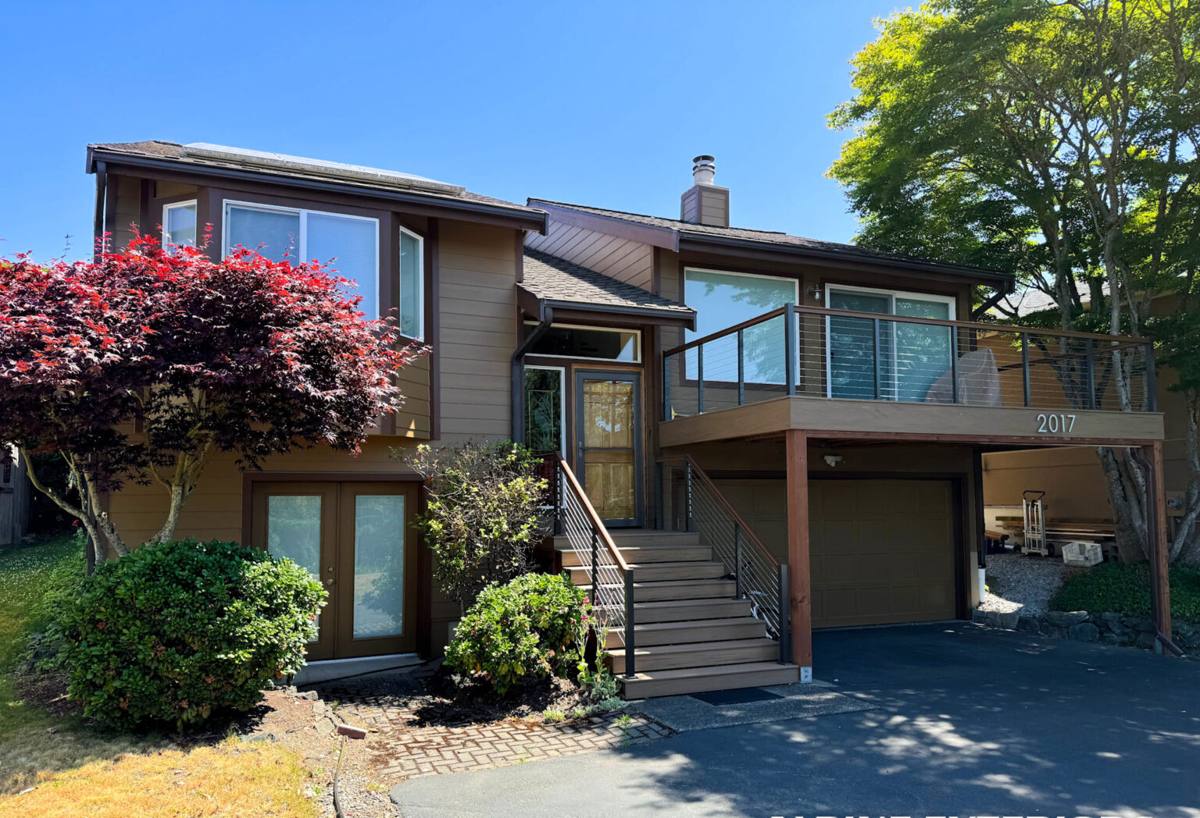
How Salt Air, Rain, and Moss Actually Wear Down Windows
Salt Air and Hardware Corrosion
Salt in the air settles on everything, including window hardware. Locks, cranks, hinges, and balance mechanisms that aren't built with corrosion-resistant components will start to stiffen, pit, or fail years before the glass or frame shows any problem. This is one of the most common reasons we get called to a Skyline home that "looks fine" from the street — the window still looks new, but it won't lock properly or the crank has seized.
Driving Rain and Water Intrusion
Wind off the water pushes rain sideways and upward, not just down. That matters because a lot of window installations are only detailed to shed water that falls straight down. Around Anacortes, and especially in a more exposed spot like Skyline, wind-driven rain can find its way behind trim, under sills, and into gaps that would never be a problem in a more sheltered location. Once water gets behind a window, it tends to stay there — which brings us to the third factor.
Moss, Shade, and Prolonged Dampness
Skagit County's long wet season means moss and algae get a real foothold on north-facing walls, under eaves, and anywhere sun doesn't reach for months at a time. Moss holds moisture against wood trim and sheathing far longer than open exposure to rain and drying wind would. Around windows, that translates into slow rot at sills and jambs, swollen wood trim, and paint or caulk that fails years ahead of schedule — even on a window that's otherwise sound.
Signs Your Skyline Home Needs Window Replacement
Most window failure around here isn't dramatic. It shows up as small, easy-to-ignore symptoms that quietly get worse. Worth checking for:
- Cranks, locks, or balances that stick, grind, or won't fully engage
- Soft, spongy, or discolored wood trim or sills around the frame
- Fogging or a hazy film between panes of double-glazed glass (a sign the seal has failed)
- Visible gaps, cracked caulk, or daylight around the frame where it meets siding
- A cold draft or noticeable temperature difference near the window in winter
- Moss or dark staining running down from the top of a window opening
- Difficulty opening or closing that's gotten worse over the last year or two
- Condensation on the inside of the glass more often than seems normal
Any one of these can be a minor fix. Several at once on the same window, especially on a wall that faces the prevailing weather, usually means the window and its surrounding flashing have reached the point where patching isn't worth it.
What a Correct Window Replacement Actually Involves
Full-Frame vs. Insert Replacement
An insert (or "pocket") replacement drops a new window into the existing frame and is faster and less invasive — a reasonable option when the existing frame, sill, and flashing are still sound. A full-frame replacement removes everything down to the rough opening, which costs more and takes longer, but it's the only way to actually fix rot, failed flashing, or a frame that's been letting water in for years. On a home exposed to Skyline's weather, we don't recommend an insert over damaged wood just to save a step — it seals in a problem instead of solving it.
Flashing and Moisture Management
The window unit itself is rarely where a leak starts. It's almost always the flashing — the layered system of house wrap, flexible flashing tape, and sometimes a sloped sill pan that directs water away from the opening instead of into the wall. In a location that takes wind-driven rain regularly, this detail matters more than the brand of window being installed. We install (or repair) flashing so water sheds outward at every layer, with particular attention to the sill, where water collects, and the head, where it's forced upward by wind.
Sealants and Hardware Choices
We use exterior sealants rated for the temperature and moisture swings of this climate, not general-purpose caulk, and we favor hardware with corrosion-resistant coatings on jobs this close to the water. It costs a little more up front and saves a service call in three years.
Choosing Window Materials That Hold Up in Skyline
There's no single "best" window material — the right choice depends on exposure, budget, and how much upkeep a homeowner wants to take on. Here's how the common options actually perform in a salt-air, high-moisture setting like Skyline:
| Material | Salt Air / Moisture Behavior | Maintenance | Notes |
|---|---|---|---|
| Vinyl | Won't corrode or rot; performs well near salt air | Low — occasional cleaning | Good value; frame color and finish quality vary by manufacturer |
| Fiberglass | Excellent — dimensionally stable, resists warping and corrosion | Low | Higher upfront cost; holds up especially well to temperature swings |
| Wood (unclad) | Poor in this climate without diligent upkeep | High — regular painting/sealing required | We generally steer clients away from unclad wood on exposed walls here — the maintenance burden in a wet climate is significant |
| Wood-clad (aluminum or fiberglass exterior) | Good — exterior cladding shields the wood core | Moderate | Interior wood look with better weather resistance; clad seams need attention over time |
| Aluminum | Prone to condensation and corrosion in coastal moisture without thermal breaks | Moderate | We recommend only thermally-broken aluminum products in this setting, if at all |
For most Skyline homes, vinyl or fiberglass hits the right balance of cost and low maintenance. Wood-clad is a solid choice when a homeowner wants a wood interior look and is willing to keep an eye on the cladding seams over the years.
Our Window Replacement Process
- On-site assessment. We look at each window individually — frame condition, flashing, sill, and how exposed that particular wall is to wind and rain — rather than quoting a flat per-window price sight unseen.
- Recommendation, not upsell. We'll tell you plainly if a window can be repaired instead of replaced, and which ones on your home genuinely need full-frame work versus a simpler insert.
- Material and glass selection. We walk through frame material, glass package (double vs. triple pane, Low-E coatings), and hardware options based on your budget and how exposed the opening is.
- Removal and inspection. Once the old window is out, we inspect the rough opening and sheathing for hidden rot or moisture damage before anything new goes in — this is often where full-frame jobs turn up problems an insert replacement would have buried.
- Flashing and installation. New flashing and sealant go in per the manufacturer's specs, adjusted for this climate's wind-driven rain exposure, then the window is set, shimmed, and secured.
- Finish work and cleanup. Interior and exterior trim, caulking, and touch-up paint as needed, with job-site cleanup before we leave.
Cost Factors for Window Replacement in Skyline
We don't quote window replacement without seeing the job, because the same "size" window can cost very differently depending on condition and access. The factors that actually move the price:
| Factor | Why It Matters |
|---|---|
| Full-frame vs. insert replacement | Full-frame involves more labor and often uncovers repair work; insert is faster when the existing frame is sound |
| Frame material | Vinyl, fiberglass, and wood-clad carry different material costs |
| Glass package | Triple-pane and specialty coatings cost more than standard double-pane but can pay back in comfort and lower heating bills |
| Hidden rot or water damage | Discovered once the old window is out; not always visible during the initial estimate |
| Number of windows and access | Second-story or hard-to-reach openings take more time and equipment |
| Trim and finish work | Matching existing interior trim or exterior siding detail adds labor |
As a general rule, straightforward insert replacements on ground-floor, easily accessible windows sit at the lower end of the range; full-frame replacements with rot repair or difficult access sit at the higher end. We'll give you a specific number for your home, not a generic estimate that ignores what's actually going on behind your siding.
Why Hire a Crew That Already Works in Skyline
A contractor who only occasionally works this close to the water can install a window that's technically correct by the manufacturer's general instructions and still have it leak within a couple of winters, because the general instructions don't account for wind-driven rain and salt exposure the way a crew familiar with this specific neighborhood does. We've seen how water moves on homes here — which walls take the worst of it, where moss builds up fastest, and which flashing details actually hold up through a full Skagit County wet season, not just a dry-weather install day.
That familiarity also means fewer surprises on quote day. We know roughly what condition to expect behind a 1970s wood-frame window versus a 1990s vinyl one in this area, and we plan the job accordingly instead of discovering problems mid-project and re-quoting.
If your windows in Skyline are sticking, drafty, fogged, or showing rot at the sill, we're happy to take a look and give you a straight answer about repair versus replacement. Fill out the form below for a free, no-pressure estimate — there's no obligation, just an honest assessment of what your home actually needs.