 Anacortes Window
 Why Similk Beach Windows Take a Different Approach
Similk Beach sits close enough to the water that homes there deal with a different set of conditions than a house a few miles inland in Anacortes or elsewhere in Skagit County. Salt-laden air moves in off the water and settles on everything — siding, trim, hardware, and window frames. Add in driving rain that comes sideways during winter storms and a long stretch of the year where moss and moisture just sit on north-facing walls and roof edges, and you've got a climate that is genuinely hard on windows if they weren't installed with that exposure in mind.
None of this means Similk Beach homes need exotic products. It means the installation details that get skipped on an easier job — flashing sequence, sealant choice, hardware grade, drainage path — can't be skipped here. A window that's "close enough" on a sheltered inland lot can fail years early on a property that takes wind-driven rain and salt air head-on.
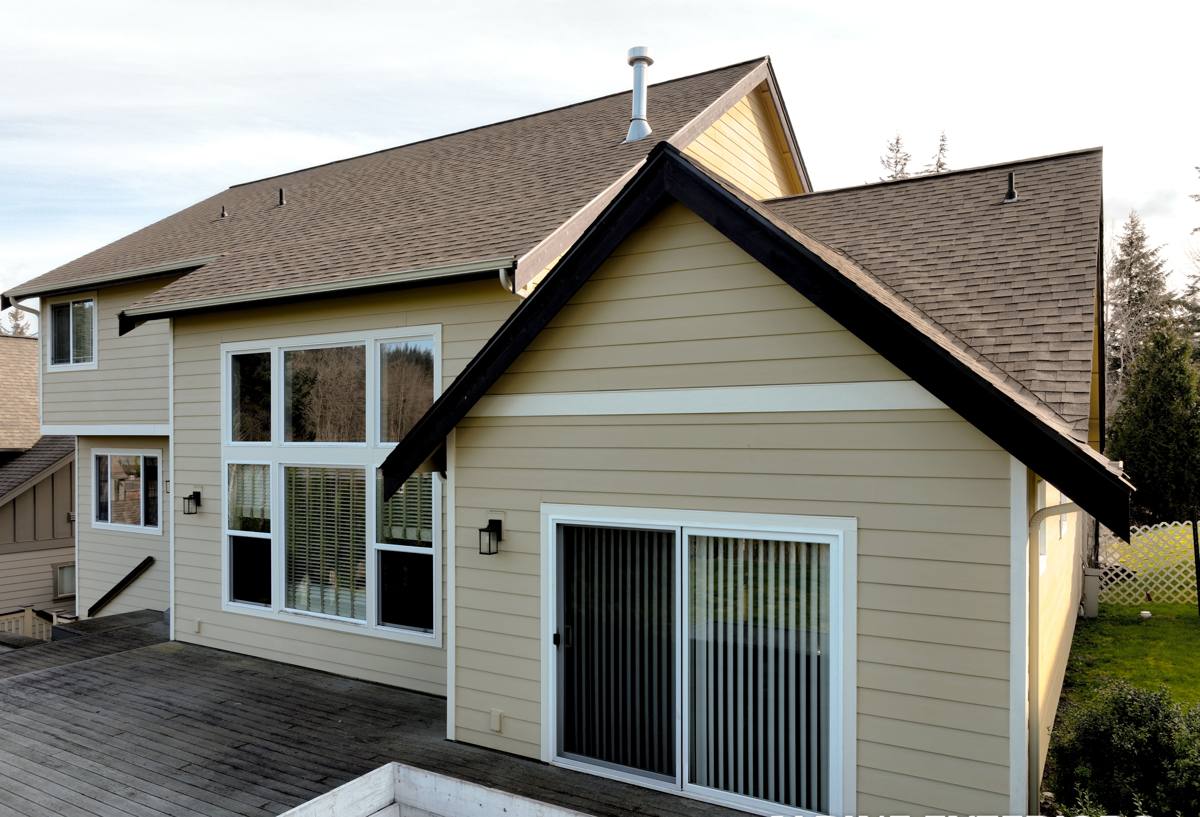
What a Correct Installation Actually Involves
Window installation is often sold as a one-day swap: old window out, new window in, trim it out, done. That's the fast version. The correct version, especially this close to the water, has a few non-negotiable steps that determine whether the window lasts 10 years or 30.
Flashing Comes Before the Window
Every opening needs a flashing system that directs water down and out, not into the wall cavity. That means sill pan flashing at the bottom of the opening, properly lapped side and head flashing, and integration with whatever weather-resistive barrier is already on the wall. Skipping or rushing this step is the single biggest cause of hidden rot behind window openings — and it's invisible from the outside until the damage is already done.
Sealant Is Not a Substitute for Flashing
Caulk and sealant have a job, but that job is to back up the flashing, not replace it. On a salt-air, driving-rain property, we use sealants rated for exterior exposure and UV, and we're deliberate about where sealant is used versus where a gap needs to stay open for drainage. A fully caulked perimeter with no weep path can trap water inside the frame — which causes more damage than an honest gap ever would.
Hardware and Fasteners That Won't Corrode
Standard fasteners can start showing rust streaks within a couple of years in a salt-air environment. We use corrosion-resistant fasteners and hardware suited to coastal exposure, which costs a little more up front and saves a callback down the road.
Choosing Frame Materials for Salt Air Exposure
There's no single "right" window material for every home — it depends on your budget, your home's style, and how directly exposed the wall is to wind and salt spray. Here's how the common options actually perform in this kind of climate, based on installation experience rather than marketing claims.
| Frame Material | Salt Air / Moisture Behavior | Maintenance | Typical Fit |
|---|---|---|---|
| Vinyl | Won't corrode or rot; performs well in coastal air | Low — occasional cleaning | Most homes, best value |
| Fiberglass | Very stable in moisture and temperature swings, holds paint well | Low | Homes wanting a painted, wood-like look with less upkeep |
| Aluminum | Can pit and corrode over time in direct salt exposure unless properly finished | Moderate | Specific architectural styles; we discuss coatings up front |
| Wood / Wood-clad | Attractive but the most sensitive to moisture; needs consistent upkeep near the water | Highest | Homeowners committed to regular maintenance |
We're not going to tell you wood windows are a bad product — they're not. But on a direct-exposure Similk Beach lot, we'll be honest that they carry a maintenance burden that vinyl or fiberglass simply don't, and we'd rather you know that before you buy than after the finish starts failing.
Our Process, Start to Finish
Every job follows the same sequence, whether it's one window or a whole-house replacement. Consistency is what keeps quality predictable.
- On-site assessment. We look at each opening, check for existing rot or moisture damage, and note the wall's exposure to prevailing wind and rain direction.
- Product selection. We walk through frame material, glass package, and hardware options based on that specific wall's exposure — not a one-size-fits-all recommendation.
- Removal. Old windows come out carefully, and we inspect the framing underneath before anything new goes in. This is where hidden problems, if any, get found.
- Repair as needed. Any soft framing, old rot, or failed flashing gets addressed before the new window goes in — not covered up.
- Flashing and setting. Sill pan, side, and head flashing installed in the correct order, window set level and plumb, shimmed properly so it operates smoothly for years.
- Insulation and air sealing. The gap between frame and rough opening is insulated and air-sealed correctly — not overpacked, not left open.
- Exterior and interior trim. Finished to match the home, with sealant placed only where it should be.
- Walkthrough. We check operation, look at the finished exterior seal, and answer any questions before we consider the job done.
Problems We Commonly See on Coastal Anacortes Homes
When we're called out to look at older or poorly installed windows near the water, a handful of issues show up again and again:
- Rot in the sill or jack studs from missing or reversed-lap flashing
- Fogged or failed double-pane glass from a seal that gave out years before it should have
- Rust streaks or pitted hardware on aluminum-frame windows without coastal-rated finishes
- Moss and organic buildup on north- and west-facing sills and trim that traps moisture against the frame
- Soft or spongy trim boards where caulk was used to seal a joint instead of proper flashing
- Drafts and water intrusion around openings that were caulked shut with no drainage path
Most of these trace back to the same root cause: an installation that treated flashing and sealant as interchangeable, or skipped the flashing step entirely to save time. It's rarely the window unit itself that fails first — it's the installation around it.
What Affects the Cost of a Project
We're not going to quote a number here — every home and opening is different — but these are the factors that actually move the price, so you know what you're paying for when you get an estimate.
| Factor | Why It Matters |
|---|---|
| Frame material | Vinyl, fiberglass, aluminum, and wood-clad all carry different material costs |
| Number and size of openings | More openings and larger units mean more labor and material |
| Condition of existing framing | Hidden rot or damage found during removal adds repair time before the new window goes in |
| Glass package | Standard double-pane versus upgraded low-E or impact-rated glass changes cost per unit |
| Access and exposure | Second-story or hard-to-access openings, and wall exposure to wind, affect labor time |
| Trim and finish work | Matching existing exterior trim or doing full interior finish work adds scope |
Generally, a straightforward like-for-like window replacement runs less than a project where framing repair or trim matching is involved. We'll break the estimate down by these factors so you can see exactly where the cost is coming from, not just a bottom-line number.
Skagit County Permits and Local Considerations
Window replacement projects in Anacortes and unincorporated Skagit County can fall under different permit rules depending on whether it's a like-for-like replacement or a structural change to the opening size. We handle that conversation as part of the estimate so there are no surprises — either confirming the work doesn't require a permit, or handling the permit process if it does. Given how close Similk Beach sits to the water, we also pay attention to how a wall's specific orientation and exposure to prevailing weather should inform product choice, not just what's popular or on sale.
Maintaining Coastal Windows Once They're In
Even a correctly installed window benefits from basic upkeep in this climate. A short seasonal routine goes a long way toward getting the full lifespan out of your investment:
- Rinse salt residue off frames and glass periodically, especially after storms with wind off the water
- Check and clear weep holes on the exterior sill so drainage paths stay open
- Look for moss or algae buildup on sills and trim during the wetter months and remove it before it holds moisture against the frame
- Inspect exterior caulk lines once a year for cracking or separation and have any gaps addressed promptly
- Operate and lubricate hardware periodically so locks and rollers don't seize or corrode from disuse
- Watch for condensation between panes, which signals a failed seal rather than a cleaning issue
Why a Crew That Already Works Similk Beach Matters
Window installation isn't a product you buy off a shelf — it's a job that gets executed correctly or it doesn't, and the difference shows up years later, not on install day. A crew that regularly works homes in Similk Beach and along the greater Anacortes waterfront has already seen how salt air, driving rain, and moss season affect installations here specifically. That's not something you get from a crew based elsewhere that treats every job the same regardless of exposure.
We're not interested in upselling you on a product you don't need or cutting corners on flashing to move faster through a schedule. We'd rather walk you through the honest trade-offs — material, cost, maintenance — and install it right the first time, because a callback for a preventable failure costs everyone more than doing it correctly up front.
If you're planning a window project in Similk Beach or elsewhere around Anacortes, we're happy to take a look and put together a straightforward, no-pressure estimate. Use the form below to get started.