 Anacortes Window
 Roofing on the Similk Beach Shoreline Is Its Own Job
Similk Beach sits close enough to the water that the air itself works against a roof, day in and day out. Homes here take on a mix of conditions that inland Skagit County properties simply don't deal with in the same combination: salt-laden air off the Similk Bay and Swinomish Channel area, driving rain that comes in sideways off Puget Sound storms, and a wet, shaded climate that keeps moss and algae growing on roofs nearly year-round. A roof that would hold up fine in a drier part of the state can start showing problems here years ahead of schedule. When we install a new roof in Similk Beach, we're not just putting shingles on a house — we're building a system that's meant to handle this specific stretch of coastline.
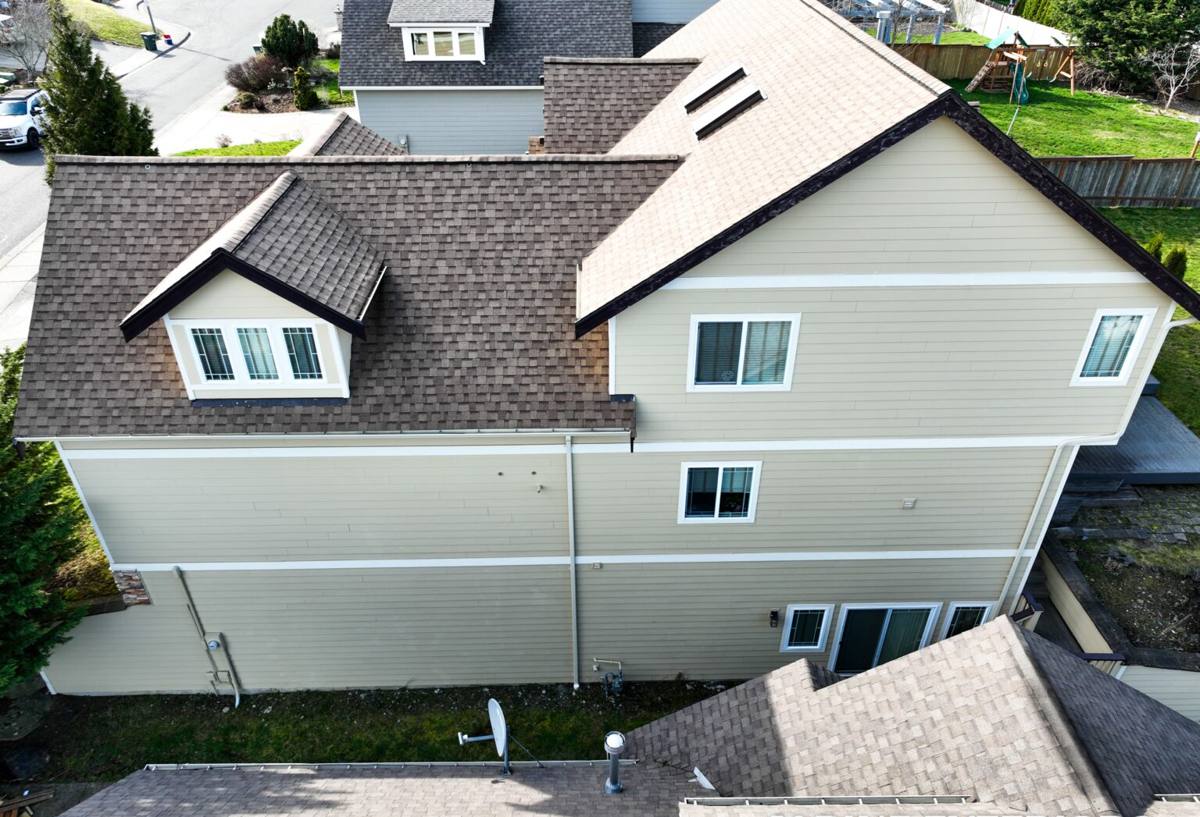
What Salt Air, Rain, and Moss Actually Do to a Roof
Understanding the damage mechanisms is the first step to preventing them. Each of the three big stressors in this area attacks a roof in a different way.
Salt Air and Metal Corrosion
Airborne salt accelerates corrosion on anything metal — nail heads, flashing, vent boots, gutter fasteners, and drip edge. Standard galvanized fasteners that would last decades further inland can start rusting and weakening within a much shorter window near the water. Once a nail head corrodes and loses its grip, a shingle is free to lift in wind, and that's usually where a leak starts.
Driving, Wind-Driven Rain
Rain that falls straight down is easy for a roof to shed. Rain that's being pushed sideways by wind off the water finds every weak seam, every under-driven nail, and every spot where flashing wasn't lapped correctly. Wind-driven rain doesn't just test the shingles — it tests the underlayment, the valleys, and every penetration on the roof, because that's where water gets pushed uphill against gravity instead of running off.
Moss, Algae, and Moisture Retention
Shade, moisture, and mild temperatures are exactly what moss needs to thrive, and much of the Anacortes area gives it all three for a large part of the year. Moss holds water against the roofing material long after a storm has passed, which keeps shingles damp, encourages rot in the decking underneath, and can physically lift shingle edges as it grows. Left unmanaged, a mossy roof ages faster than a clean one, even if the shingles themselves are otherwise sound.
Signs a Similk Beach Roof Is Due for Replacement
Not every roofing problem calls for a full replacement, but in this climate, a few warning signs tend to show up together and mean it's time to have the roof assessed seriously rather than patched again.
- Granule loss showing up in gutters or at downspout outlets, especially on south- and west-facing slopes that catch the most weather
- Shingles that are cupping, curling at the edges, or visibly brittle when walked or inspected
- Moss buildup that returns within a season or two of cleaning, or moss growing thick enough to hold visible water
- Rust staining or streaking below metal flashing, vents, or valleys
- Soft spots, sagging, or a spongy feel anywhere on the roof deck
- Interior signs — ceiling stains, musty attic smells, or daylight visible through the roof deck from inside the attic
- A roof that's approaching or past the manufacturer's rated lifespan, particularly if it was never fitted with upgraded underlayment for coastal exposure
Choosing a Roofing System Built for This Location
Material choice matters more here than in a lot of inland neighborhoods, because whatever goes on the roof has to hold up against salt exposure and constant moisture, not just wind and sun. There's no single "best" material for every home — it depends on budget, roof shape, and how long you plan to own the property — but here's how the common options compare for a Similk Beach installation.
| Material | Salt Air / Moisture Performance | Moss Resistance | Typical Lifespan |
|---|---|---|---|
| Architectural asphalt shingle | Good, especially with corrosion-resistant fasteners and proper flashing | Moderate — benefits from periodic cleaning or zinc/copper strips | 25–30 years |
| Standing seam metal | Very good with a marine-grade coating and stainless fasteners | High — sheds moss more effectively due to slick, sloped panels | 40–50+ years |
| Synthetic/composite shingle | Good — resists moisture absorption better than organic-based products | Moderate to high depending on product | 30–50 years |
| Basic 3-tab asphalt shingle | Fair — thinner profile is more vulnerable to wind-driven rain intrusion | Lower — flatter profile holds moisture longer | 15–20 years |
For most homes near the water, we lean toward architectural shingles or metal roofing paired with coastal-grade accessories, because the accessories — fasteners, flashing, and underlayment — do as much work protecting the home as the shingle itself.
What a Correct Installation Looks Like Here
A new roof is only as good as the details underneath it that you never see again once the job is done. For a Similk Beach property, a few of those details matter more than usual.
Underlayment and Water Barriers
We use synthetic underlayment rated for the moisture exposure this area sees, and we run self-adhered ice-and-water membrane at eaves, valleys, and around every roof penetration — the spots wind-driven rain is most likely to exploit. This is the layer that keeps the house dry even if wind ever gets under a shingle.
Flashing and Fasteners
All flashing and exposed fasteners are chosen with corrosion resistance in mind rather than the cheapest standard option, since standard galvanized hardware degrades faster this close to salt water. Correct step flashing at walls and chimneys, and proper valley construction, are what actually stop the leaks that show up years later.
Ventilation
Balanced intake and exhaust ventilation keeps the underside of the roof deck dry and helps prevent condensation-driven rot, which matters in a climate where the air outside is often nearly as damp as the air you're trying to vent out. Good ventilation also reduces the moist, shaded microclimate at the roofline that moss depends on.
Moss Management Built In
Where it fits the roof design, we install zinc or copper strips near the ridge, which release trace metal ions that inhibit moss and algae growth as rain washes over the roof. It's not a substitute for occasional maintenance, but it meaningfully slows regrowth between cleanings.
Our Process, Start to Finish
- On-site inspection. We look at the existing roof, decking condition, ventilation, and any trouble spots specific to the home's exposure to wind and water.
- Honest estimate. You get a clear, written scope and price — no pressure, no scare tactics, no vague allowances.
- Material selection. We walk through the options in the table above based on your budget, the roof's design, and how exposed the property is to salt air and weather.
- Tear-off and deck inspection. Old roofing comes off completely so we can check the decking for rot or soft spots before anything new goes down — this is where hidden moisture damage gets found and fixed.
- Underlayment, flashing, and moss protection installed. All the details described above go in before a single shingle is set.
- New roofing installed to manufacturer spec. Correct nailing patterns, exposure, and fastener choice — not shortcuts that void warranty coverage later.
- Cleanup and final walkthrough. Yard and gutters are cleared of debris and nails, and we walk the finished roof with you before calling the job done.
Permits, Warranty, and Working Locally
Roof replacements in Skagit County typically require a building permit, and we handle that process as part of the job rather than leaving it on the homeowner. We also stand behind our workmanship separately from the manufacturer's material warranty, and we'll explain both clearly in writing before work starts — not buried in fine print you find out about later.
Why It Matters That We Already Work in Similk Beach
A crew that regularly works this stretch of the Anacortes area already knows how the wind typically hits a given roof orientation, which materials actually hold up near the water instead of just on paper, and how quickly moss comes back on a shaded, north-facing slope versus a sunnier one. That local familiarity shows up in small decisions — fastener choice, flashing details, where we recommend zinc strips — that a crew unfamiliar with coastal Skagit County conditions might not think to prioritize. It's the difference between a roof that's technically installed correctly and one that's installed correctly for this specific location.
If your roof is showing wear, or you'd simply like an honest opinion on how much life it has left, we're happy to take a look. Fill out the form below for a free, no-pressure estimate on a new roof for your Similk Beach home.