 Anacortes Window
 Why Cap Sante Roofs Take a Different Kind of Beating
Cap Sante sits close enough to the water that homes here deal with a combination most inland Skagit County properties don't: salt-laden air off the bay, wind that funnels around the point during winter storms, and long stretches of wet, low-sun weather that keep roofs damp for days at a time. None of those things is dramatic on its own. Together, over years, they wear a roof down faster than the same roof would wear twenty minutes inland.
Storm damage repair in this neighborhood isn't just "patch what blew off." It's understanding that a roof here has usually already been softened up by moss, corrosion, or trapped moisture before the storm ever hit, and that whatever repair goes back on needs to hold up to the next round of the same conditions, not just look fine on a dry afternoon.
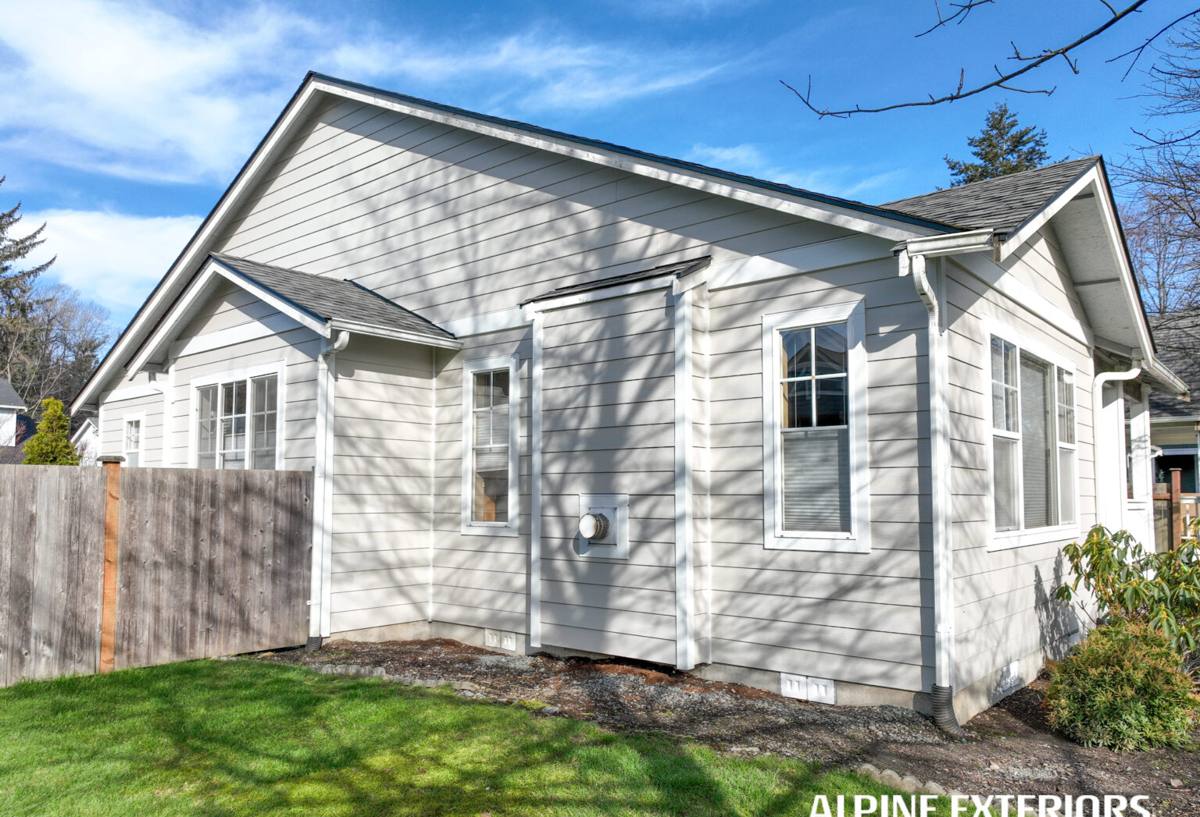
What Storm Damage Actually Looks Like on a Cap Sante Roof
Wind Damage
Anacortes storms often come with sustained wind off the water rather than short gusts, which stresses shingles and metal roofing edges differently than a typical squall. We commonly find lifted or creased shingle tabs along ridge lines and roof edges, popped or bent fasteners on metal panels, and flashing that's worked loose around chimneys, vents, and skylights. Wind damage is frequently worse than it looks from the ground — a few lifted tabs can mean water has already been driving underneath them.
Driving Rain and Water Intrusion
Rain that comes in sideways off the bay finds every weak seam in a roof system — not just holes, but places where flashing laps the wrong direction, where sealant has cracked, or where a repair from years ago wasn't tied into the underlayment correctly. On older Cap Sante roofs we often find water staining in the attic that predates the storm being called about, because slow intrusion had been happening quietly for a season or more.
Salt Air Corrosion
Metal fasteners, flashing, and any exposed roofing hardware corrode faster this close to salt water. A storm can be the thing that finally pulls a corroded fastener loose or splits a flashing seam that had already been thinning for years. Part of an honest storm damage assessment is telling a homeowner when the storm exposed a corrosion problem rather than caused one.
Moss and Trapped Debris
Anacortes has a long moss season, and moss does two things to a roof: it holds moisture against the shingle or shake surface, and it lifts material as it grows, creating channels for wind-driven rain to get underneath. A storm often finishes off a section of roofing that moss had already been undermining. Cleaning storm debris off a roof without addressing existing moss growth is a short-term fix at best.
What a Correct Storm Damage Repair Involves
A repair that actually holds up around Cap Sante does more than replace the pieces that are obviously missing. It involves:
- A full-roof inspection, not just the damaged section — wind and rain rarely limit themselves to one spot, and salt air corrosion is often present in areas that look fine from the ground.
- Checking the decking underneath — if water has been getting in for any length of time, the plywood or board sheathing beneath the damaged area may be soft or delaminating and needs to be addressed, not just covered over.
- Correct flashing work — flashing around chimneys, valleys, vents, and skylights has to be lapped and sealed properly, in the right order relative to the roofing material, or the repair will leak again in the next storm.
- Matching materials appropriately — shingles, panels, or shakes that are reasonably close in type, profile, and color so the repair doesn't stand out or perform differently than the surrounding roof.
- Attic and interior check — confirming there's no hidden moisture damage, insulation saturation, or mold starting in areas the storm exposed.
- Documentation — clear photos and a written description of the damage, which matters if the repair is going through homeowners insurance.
Our Process for Cap Sante Storm Calls
- Emergency tarping if needed. If there's active water intrusion, the first priority is stopping it — a properly secured tarp buys time without doing further damage to the roof.
- Full inspection. We walk the roof (or use a drone where walking isn't safe) to assess the storm-caused damage and note any pre-existing issues like moss buildup or corrosion that should be addressed at the same time.
- Written estimate. We explain what's storm damage, what's pre-existing wear, and what we recommend — with straightforward pricing, not a scare-tactic upsell.
- Insurance coordination if applicable. If the homeowner is filing a claim, we provide documentation the adjuster needs and can walk the roof with them if requested.
- Repair. Decking, flashing, and roofing material are replaced correctly and tied into the surrounding roof system.
- Final walkthrough. We show the homeowner what was done and flag anything worth monitoring or addressing down the road.
Repair or Replace? What Actually Decides It
Not every storm-damaged roof needs a full replacement, and not every roof that "just needs a patch" is actually a good repair candidate. The honest answer depends on a few concrete factors:
| Factor | Favors Repair | Favors Replacement |
|---|---|---|
| Roof age | Under roughly half its expected service life | Near or past expected service life |
| Extent of damage | Isolated to one section or a few spots | Widespread across multiple slopes |
| Decking condition | Solid, dry sheathing under the damaged area | Soft, delaminated, or repeatedly wet decking |
| History of leaks | First real issue on an otherwise sound roof | Pattern of recurring leaks or past patchwork |
| Material availability | Close match available for existing roofing | Material discontinued or badly mismatched |
We'll always tell you honestly which side of that table your roof falls on. A well-timed repair can add years of service to a roof that's otherwise in decent shape; pouring repair money into a roof that's already failing structurally isn't doing anyone a favor.
Insurance Claims: What Cap Sante Homeowners Should Know
Most homeowners insurance policies in Washington cover sudden storm damage — wind, falling debris, and similar events — but they generally do not cover damage from gradual wear, neglected maintenance, or pre-existing moss and corrosion issues. That distinction matters because an adjuster will look closely at whether damage was storm-caused or long-developing.
A few things that help a claim go smoothly:
- Photos taken as soon as it's safe to do so, before any tarping or cleanup changes what's visible.
- A written inspection report that separates storm damage from any unrelated pre-existing wear.
- Prompt tarping to prevent further damage — insurers expect reasonable steps to limit loss, and unaddressed water intrusion can complicate a claim.
- Keeping receipts and documentation for any emergency work done before the claim is finalized.
We're not an insurance company and won't promise a claim outcome, but we can provide the documentation and honest assessment that makes the process easier on your end.
Why It Matters to Hire a Crew That Already Works Cap Sante
Storm damage repair isn't a specialty product — it's a skill that comes from seeing the same conditions repeatedly. A crew that regularly works Cap Sante and the surrounding Anacortes waterfront knows:
- Which roofing materials and fastener types actually hold up against salt air in this specific location, versus what looks fine on paper.
- Where wind tends to concentrate damage on homes exposed to open water versus more sheltered lots.
- How aggressive the moss season here is and how that affects the timeline for follow-up maintenance after a repair.
- Realistic scheduling around Skagit County's wet season, so repairs aren't rushed in conditions that compromise sealant cure times or flashing work.
That local familiarity shows up in fewer callbacks — a repair done by someone who understands the site conditions the first time tends to actually last.
After the Repair: Reducing Future Storm Risk
A storm repair is a good moment to also address the conditions that made the damage worse than it needed to be. Homeowners in Cap Sante get the most value out of:
- Removing moss growth and treating the roof to slow regrowth, especially on north-facing slopes that stay damp longest.
- Clearing gutters and downspouts so wind-driven rain has somewhere to go instead of backing up under roof edges.
- Checking flashing and fasteners annually rather than waiting for the next storm to find the weak points.
- Trimming back tree limbs that overhang the roof, which both drop debris in storms and hold moisture against the surface.
None of this is expensive maintenance, but skipping it is usually what turns a minor storm event into a major repair down the line.
Quick Post-Storm Checklist for Homeowners
- Check the attic or top-floor ceilings for new staining, dampness, or a musty smell.
- Look at gutters and the ground around the house for shingle granules, bent metal, or debris that fell from the roof.
- Note any daylight visible through the roof deck from inside the attic.
- Avoid climbing onto the roof yourself, especially in wet or windy conditions — a ground-level look and a call to a roofer is safer and more accurate.
- Get a tarp on any active leak as soon as it's safe, even before a full inspection can happen.
- Take photos before any cleanup or temporary repair, in case you need them for an insurance claim.
Get an Honest Look at Your Roof
If a recent storm has left you with missing shingles, a leak, or just some peace-of-mind questions about how your roof held up, we're happy to come take a look. We'll give you a straightforward assessment of what's storm damage, what's pre-existing wear worth knowing about, and what it would take to fix it right — no pressure, no scare tactics. Reach out using the form below to schedule a free estimate.