 Anacortes Window
 Windows Built for West Anacortes, Not Just Installed There
West Anacortes sits close enough to the water that its homes take a different kind of weather than houses a few miles inland in Mount Vernon or Burlington. Salt-laden air off the water, wind-driven rain that finds its way into every gap and seam, and a long wet season that keeps moss and moisture pressure on siding and trim for months at a time — all of it works against windows that weren't built or installed with that exposure in mind. A custom window job here isn't just about picking a style out of a catalog. It's about matching the frame material, the flashing detail, and the installation method to a coastal Skagit County climate that punishes shortcuts.
This page is about one thing: replacing or installing custom windows in West Anacortes, done the way homes in this specific environment actually need it done.
What the Local Climate Actually Does to Windows
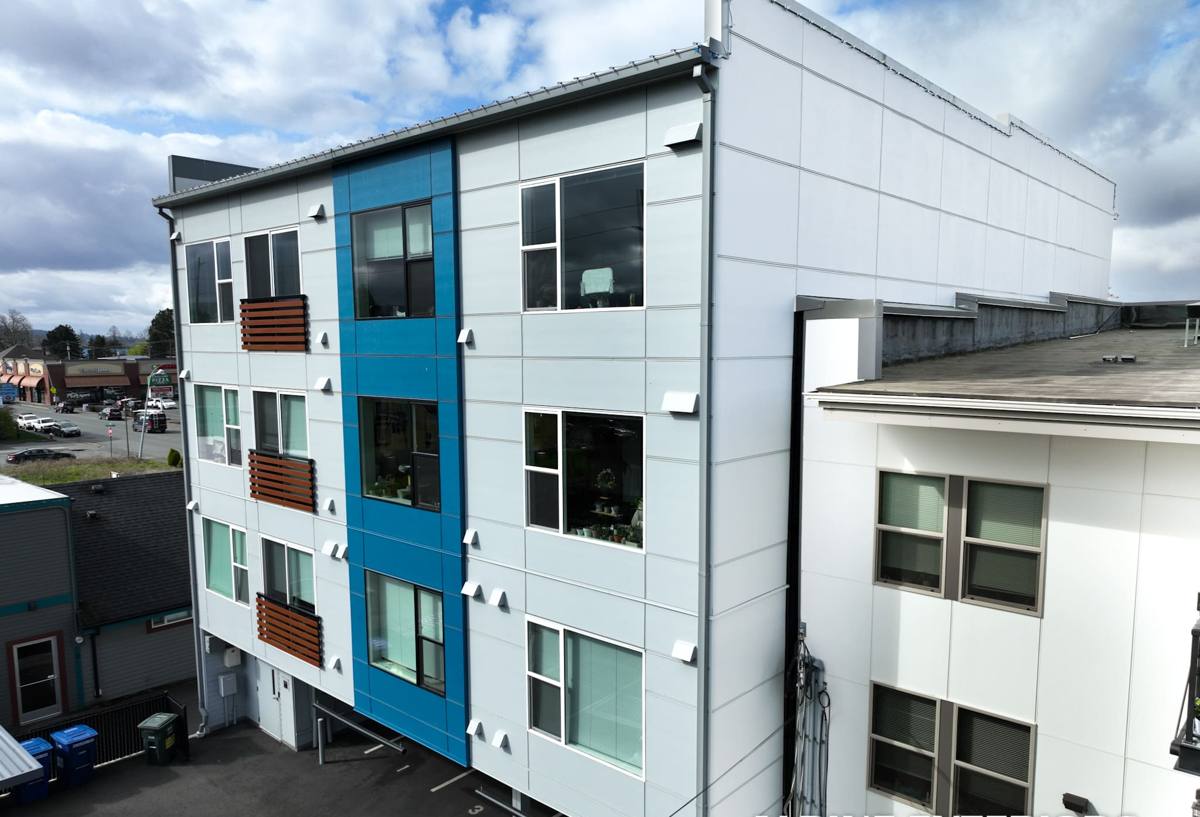
Anacortes sits on Fidalgo Island, with West Anacortes homes often catching more direct exposure to wind off the water than properties tucked further into town. That exposure brings three specific problems for windows:
- Salt air corrosion — airborne salt accelerates corrosion on hardware, screws, and unprotected metal components, especially on aluminum-frame and older steel-reinforced vinyl windows.
- Wind-driven rain — rain here doesn't just fall, it's pushed sideways against west- and south-facing walls, which puts constant pressure on any weak point in the flashing, sealant, or window-to-wall transition.
- Extended damp season — long stretches of gray, wet weather keep moisture in contact with window frames and sills for days at a time, which is exactly the condition that lets rot, mold, and moss take hold if drainage isn't handled correctly.
None of this means West Anacortes homes need exotic materials. It means the materials and details that are optional elsewhere — corrosion-resistant hardware, proper weep systems, correctly lapped flashing — are not optional here.
Choosing the Right Frame Material for This Environment
We install several window frame materials, and each one behaves differently in a marine climate. The right choice usually comes down to how much upkeep you want to do and how the window will be exposed on your specific elevation.
| Frame Material | Salt Air / Moisture Behavior | Maintenance Load | Relative Cost Tier |
|---|---|---|---|
| Vinyl | Won't corrode or rot; UV-stable formulations hold up well to coastal sun and salt exposure | Low — occasional cleaning | $ |
| Fiberglass | Excellent dimensional stability in wet-dry cycling; resists warping better than vinyl in extreme temperature swings | Low | $$–$$$ |
| Wood-clad | Good performance if cladding and seals stay intact, but any breach exposes wood to rot in this damp climate | Higher — cladding joints and seals need periodic inspection | $$$ |
| Bare aluminum | Prone to corrosion and pitting in salt air over time; we generally steer clients away from it on exposed elevations | Moderate to high | $–$$ |
We're upfront when a material isn't a good fit for a given wall — for example, we'll flag a west-facing wall that takes direct wind-driven rain as a poor candidate for wood-clad windows unless the detailing and maintenance plan can keep up with it. That's a trade-off conversation, not a sales pitch.
Glass Packages Worth Considering
Beyond the frame, the glass package matters for comfort and condensation control. Double-pane, low-E glass is the standard baseline for this region. Triple-pane adds meaningful sound dampening and a warmer interior glass surface — worth discussing if your home is close to road noise or you've had condensation issues on older single-pane or failed-seal double-pane units.
What a Correct Custom Window Installation Actually Involves
"Custom" windows means the units are sized and built to your specific rough openings rather than pulled from a limited stock-size lineup — important on older Anacortes-area homes where openings are rarely a perfectly standard size. But sizing is only half the job. The installation detail is what determines whether that window holds up through a Skagit County winter.
Accurate Measuring and Sizing
We measure each opening individually, accounting for out-of-square conditions that are common in older framing. A custom-built window that fits its actual opening — not a generic one — is the foundation of a weathertight install.
Flashing and Drainage
Every window needs a drainage path for any water that gets past the exterior cladding, plus flashing that's lapped correctly — top piece over the side pieces, sequenced so water is always directed outward and down, never trapped behind the window. This is the single most common point of failure we find on older installs in wind-exposed areas.
Sealing Without Trapping Moisture
Sealant matters, but sealant alone is not a weatherproofing strategy — it's a backup to correct flashing, not a substitute for it. We seal the exterior perimeter with a product rated for this climate while making sure the assembly can still shed any moisture that gets behind it, rather than sealing it in.
Insulation and Air Sealing at the Frame
The gap between the window frame and the rough opening gets properly insulated and air-sealed — a step that's easy to rush but directly affects both energy performance and condensation risk at the frame edge.
Our Process, Start to Finish
- On-site assessment — we look at your existing windows, wall assembly, and specific exposure (which elevations take the worst weather) before recommending anything.
- Material and product selection — we walk through frame material, glass package, and style options suited to your home and budget, with honest trade-offs explained.
- Precise measurement — each opening is measured individually for a true custom fit.
- Installation — old units are removed, openings are inspected and repaired if needed (rot or water damage gets addressed, not covered up), and new windows go in with proper flashing, insulation, and sealing.
- Final walkthrough — we check operation, sealing, and cleanup with you before calling the job done.
Signs Your Windows Are Past Their Useful Life
Not every window problem means a full replacement, but these are the signs we take seriously when we see them on a West Anacortes home:
- Fogging or a persistent haze between the panes — a sign the seal has failed and the insulating gas has escaped
- Soft, discolored, or spongy wood at the sill or frame corners
- Visible gaps, drafts, or noticeable temperature difference near the window in cold or windy weather
- Difficulty opening, closing, or locking — often a sign the frame has shifted or swollen
- Moss or persistent green growth building up on the sill or exterior trim
- Corroded or rusted hardware, hinges, or fasteners
- Condensation on interior glass that doesn't clear even in normal weather
Energy Performance and Everyday Comfort
Old or failing windows are one of the more noticeable comfort problems in a marine climate — cold drafts near the glass, damp air pooling at the sill, and rooms that never quite hold heat evenly. Correctly installed, properly sealed windows reduce that draft and moisture load, which shows up as a more even indoor temperature and less condensation buildup during the wetter months. We size and spec glass packages based on your home's actual exposure rather than a one-size answer for the whole house.
Why Local Experience in West Anacortes Matters
A crew that mostly works inland doesn't automatically think about wind-driven rain loads, salt exposure on hardware, or how to detail a window for a wall that takes direct weather off the water. Working this specific stretch of Skagit County regularly means we've seen how different frame materials and installation details actually hold up here over time — not just how they're rated on paper. That translates into fewer callbacks, fewer surprises, and windows that are still performing well well past the first few winters.
Protecting Your Investment After Installation
New windows still need basic upkeep in this climate. A short annual routine goes a long way:
- Clear debris and moss from sills and tracks, especially heading into fall
- Check exterior caulking annually for cracking or separation
- Operate each window a few times through the year so hardware doesn't seize
- Rinse salt residue off frames and hardware near the water periodically
- Watch for any soft spots or staining at the interior sill, which can signal a developing leak
If you're weighing a window replacement or planning custom windows for a West Anacortes home, we're happy to take a look and give you a straightforward, no-pressure estimate — no exaggerated claims, just what your home actually needs. Use the form below to get started.