 Anacortes Window
 Siding Repair Built for Similk Beach's Exposure
Similk Beach sits on the water, and that location cuts both ways. The views are part of why people live there, but the same open water that makes the setting attractive also means homes take a steady beating from salt-laden air, wind-driven rain, and the long wet season that Skagit County is known for. Siding here doesn't fail the same way it does three miles inland in a sheltered subdivision. It fails at the corners that catch prevailing wind, at the low courses closest to grade and moisture, and at any seam or penetration where a small installation shortcut becomes a five-year problem instead of a fifty-year one.
Siding repair in a location like this isn't just patching a damaged board. It's understanding why that board failed in the first place, whether the cause is still active, and whether a repair actually solves the problem or just delays a bigger one. That's the lens we bring to every Similk Beach repair call.
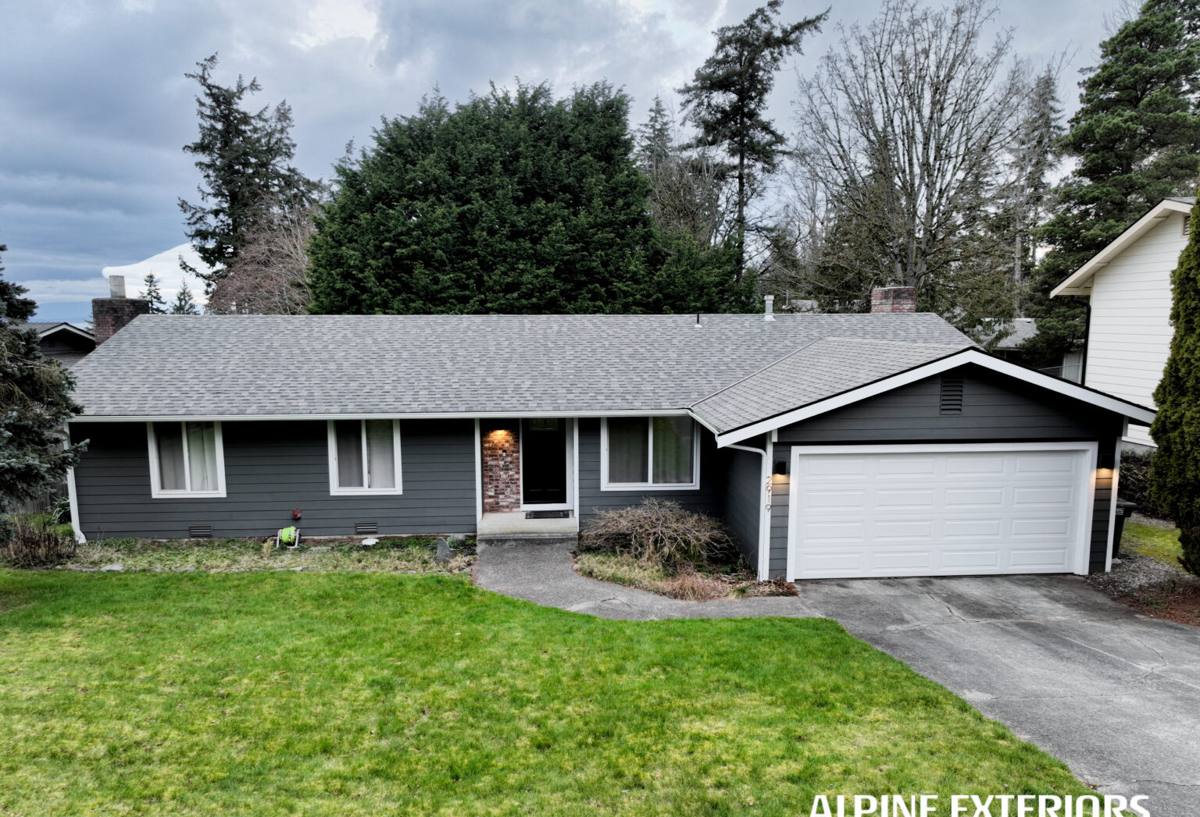
What Salt Air, Rain, and Moss Actually Do to Siding
Salt air and coastal moisture
Airborne salt is corrosive to metal fasteners, flashing, and trim hardware, and it accelerates the breakdown of caulking and lower-grade paint finishes. On wood-based and wood-composite sidings, salt-laden moisture speeds up swelling, cracking, and the loss of paint adhesion. You'll often see it first as chalky residue, faster-than-normal fading on the water-facing side of a house, or fasteners that are rusting or bleeding through the finish well before they should.
Wind-driven rain
Anacortes gets plenty of ordinary rain, but wind-driven rain is a different animal — it doesn't just fall on siding, it gets pushed sideways and upward, finding gaps that vertical rain never would. That's a problem at butt joints, around window and door trim, and anywhere flashing was cut short or caulked instead of properly lapped. Once wind-driven rain gets behind the siding plane, it can travel and cause hidden rot long before anything looks wrong from the street.
Moss and algae season
Western Washington's long damp season, combined with the shade from mature trees common in this area, creates ideal conditions for moss and algae growth on siding, trim, and especially north-facing walls. Moss holds moisture directly against the siding surface for extended periods. On some materials that's mostly cosmetic; on others, it's a slow moisture-driven degradation process that eventually shows up as soft spots, delamination, or paint failure.
Signs a Similk Beach Home Needs Siding Repair
- Soft, spongy, or visibly swollen siding boards, especially near the bottom courses or below windows
- Paint that's peeling, bubbling, or chalking faster on the water-facing or wind-facing side of the house
- Persistent moss or dark algae staining that keeps returning after cleaning
- Visible cracking or splitting at butt joints, corners, or around trim
- Rust streaks below fasteners or metal flashing
- Gaps opening up in caulked joints around windows, doors, or trim boards
- A musty smell or discoloration on interior walls that back up to exterior siding
- Warped or bowed sections that weren't there a year or two ago
What a Correct Repair Actually Involves
A repair that just replaces the visible bad board and re-caulks the edges is a temporary fix in a climate like this. A repair done right starts with figuring out what let moisture in, not just where it showed up.
Step one: find the real cause
Damaged siding is usually a symptom. The actual cause is often a failed or missing piece of flashing, a caulk joint that was never designed to be a primary water barrier, a fastener pattern that's pulling boards away from the wall, or moisture intrusion from a completely different source — a roof, gutter, or deck ledger — traveling down behind the siding. Repairing the siding without addressing that cause means the same spot fails again.
Step two: assess what's behind the siding
Once damaged boards are pulled, we check the water-resistive barrier, sheathing, and framing behind them for hidden rot or moisture damage. In a coastal, high-rainfall area, it's common for the visible damage to be smaller than what's happening behind the wall. This is the step that separates a real repair from a cosmetic patch.
Step three: match materials and finish correctly
Siding repairs age poorly when the replacement piece doesn't match the existing material's profile, exposure, and finish. Mismatched color, sheen, or board width is the most common giveaway of a rushed repair, and it's avoidable with the right prep and product matching.
Step four: rebuild the water management, not just the surface
Flashing gets properly lapped shingle-style so water sheds outward at every horizontal joint. Fasteners go in at the correct pattern and depth for the material. Caulk is used where it belongs — as a secondary seal, not the only thing standing between the house and the weather.
Repair or Replace? How We Make That Call
Not every damaged section needs a full re-side, and not every problem is solved with a patch. The right call depends on how widespread the damage is and what's driving it.
| Situation | Repair is usually right | Replacement is usually right |
|---|---|---|
| Damage extent | Isolated to one wall, corner, or a handful of boards | Recurring across multiple walls or elevations |
| Underlying cause | A single identifiable, fixable source (one flashing detail, one joint) | Systemic — original installation lacked proper water management throughout |
| Material condition | Surrounding siding is sound and simply needs new sections tied in | Surrounding siding is aging out or already showing widespread wear |
| Material type | Repair material can be matched closely (existing Hardie or compatible product) | Existing material (older wood, discontinued vinyl, mismatched product) can't be matched |
| Long-term value | Repair extends useful life meaningfully | Repair cost approaches a meaningful share of full replacement |
We'll always give you a straight answer on which side of that table your home falls on — including telling you when a repair is genuinely the smarter move, not just the smaller invoice.
Why James Hardie Matters for a Repair, Not Just a New Install
We install only James Hardie fiber cement siding, and that standard shapes how we handle repairs too. Hardie's ColorPlus factory finish is engineered to hold color and resist the fading, chalking, and moss staining that plague field-painted materials in wet coastal climates — which matters when you're trying to blend a repaired section into existing siding that's been holding its finish for years. Hardie's HZ5 product line is specifically engineered for climates with more moisture exposure, and it's non-combustible fiber cement, which doesn't absorb and swell with moisture the way wood-based sidings do.
When a Similk Beach home already has Hardie siding, repairs are usually a clean process — matching boards, colors, and reveal are straightforward because the product line is consistent and well documented. When a home has an older wood, vinyl, or discontinued composite siding that's failing, a repair conversation often turns into a bigger discussion about whether it's time to move to a product built for this exposure instead of continuing to patch a material that's fighting the climate.
Why Local Experience on This Stretch of Fidalgo Island Matters
A siding repair crew that regularly works waterfront and near-waterfront homes around Anacortes and Skagit County knows things that don't show up in a general inspection: which wall orientations take the worst wind-driven rain locally, how much of a factor salt exposure really is at a given distance from the water, and how the local permitting and inspection process works for exterior repairs. That local pattern recognition shortens the diagnostic process and reduces the odds of missing a related issue — a gutter or flashing detail nearby, for example — that's feeding the same moisture problem.
It also means a contractor who isn't guessing at material behavior in this climate. Coastal and high-rainfall exposure changes how quickly certain materials fail and how repairs should be detailed, and that's knowledge that comes from doing this work repeatedly in this specific environment, not from a generic siding repair checklist.
Our Repair Process, Start to Finish
- On-site inspection: We look at the damaged area and the surrounding siding, flashing, and trim — not just the obvious problem spot.
- Diagnosis: We identify the actual moisture or damage source, not just the visible symptom.
- Honest recommendation: We tell you plainly whether a targeted repair, a larger repair, or a replacement conversation makes sense, and why.
- Material match: For Hardie homes, we match product line, profile, and ColorPlus finish as closely as possible.
- Proper water management: Flashing, fastening, and sealing are rebuilt to shed water correctly, not just cosmetically patched.
- Final check: We confirm the repair blends in and that nearby areas showing early wear are flagged so you can plan ahead rather than get surprised later.
Keeping Repaired Siding in Good Shape Afterward
A well-executed repair still needs basic upkeep in this climate. A periodic rinse to knock down salt residue and moss growth, prompt attention to gutters and downspouts so water isn't dumping against a wall, and keeping vegetation and shade patterns from creating permanently damp zones on north-facing walls all go a long way. None of this is complicated, but it's the difference between a repair that lasts and one that reopens the same conversation in a few years.
If you're seeing damage, staining, or soft spots on your Similk Beach home's siding, we're happy to take a look and give you a straightforward assessment — no pressure, no upsell, just an honest read on what's going on and what it'll take to fix it right. Reach out for a free estimate using the form below.