 Anacortes Window
 Siding Built for Similk Beach's Waterfront Exposure
Similk Beach sits close enough to the water that its homes take a different kind of weather beating than a house a few miles inland in Anacortes. Salt-laden air off the bay works on fasteners, trim, and paint film year-round. Driving rain off Skagit County's frequent winter storms pushes water sideways into joints and laps that a calmer climate would never test. And the tree cover common to this stretch of Fidalgo Island keeps siding shaded and damp long enough for moss and algae to take hold on anything that stays wet.
None of that is exotic — it's just the reality of building on the Washington coast. But it means siding installation here isn't a one-size-fits-all job. The material has to tolerate salt exposure without corroding or degrading, the installation details have to manage water aggressively rather than just shed it in ideal conditions, and the finish has to resist moss and mildew without needing constant pressure-washing to stay presentable.
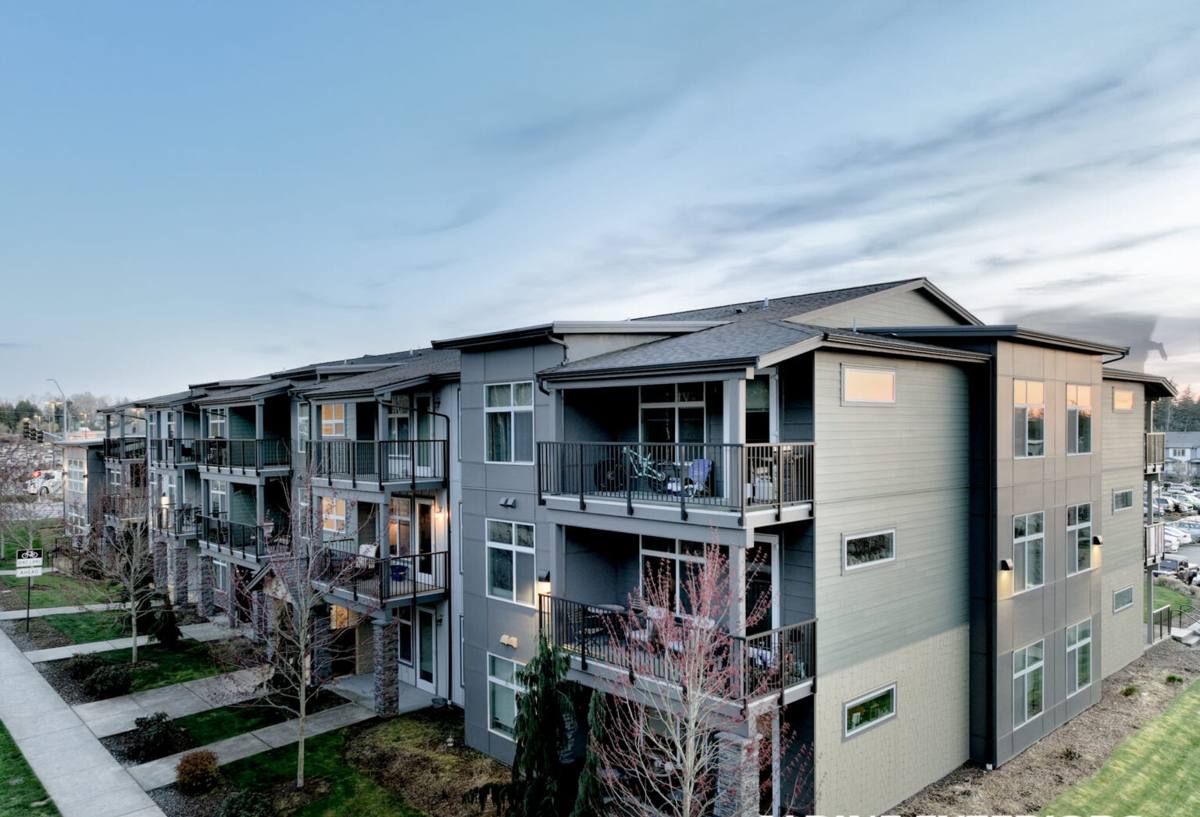
What a Correct Siding Installation Actually Involves
Siding looks simple from the curb — boards or panels over a wall. What actually keeps a Similk Beach home dry and sound for decades happens underneath, in details most homeowners never see once the job is done.
Water Management Comes First
Before a single piece of siding goes up, the wall needs a continuous weather-resistive barrier, properly lapped so water sheds downward and outward at every seam. Windows, doors, and any wall penetration need correctly integrated flashing — installed in the right order relative to the barrier, not just caulked over afterward. In a driving-rain environment like this one, a rainscreen gap (a small air space between the siding and the wall) is worth the extra step: it lets any water that does get behind the cladding drain and dry instead of sitting against the sheathing.
Fastening and Clearances
Fastener type and placement matter more near salt air than almost anywhere else. Fasteners need to be corrosion-resistant and driven correctly — not overdriven, which crushes the material and opens a path for water, and not underdriven, which leaves siding loose. Siding also needs proper clearance from grade, roof lines, decks, and other horizontal surfaces so it isn't sitting in standing water or trapped moisture. Skipping these clearances is one of the most common causes of premature rot and paint failure on coastal homes.
Why James Hardie Fiber Cement Is What We Install
We install James Hardie fiber cement siding exclusively — not vinyl, not LP SmartSide, not cedar, not primed spruce. That's a deliberate standard, not a limitation on what we're capable of installing. Fiber cement is non-combustible, dimensionally stable in wet-dry cycling, and doesn't feed mold or moss the way wood-based products can once moisture gets into the fiber.
James Hardie's ColorPlus factory finish is baked on and warrantied against fading and peeling separately from the substrate, which matters in a climate where sun exposure is inconsistent and humidity is constant — a finish that has to hold up to both extremes without chalking or lifting. Hardie also engineers its siding by climate zone (their HZ product lines), so the boards specified for the Pacific Northwest are formulated for exactly the wet, moderate-temperature conditions Similk Beach sees, rather than a generic national product. Backed by a strong transferable warranty, it's a system built for exactly the conditions this stretch of coastline produces — not a compromise we ask homeowners to accept.
Comparing Siding Options for a Similk Beach Home
Homeowners often ask why we don't offer alternatives. Here's an honest look at how the common options hold up against salt air, driving rain, and moss exposure specifically:
| Material | Salt Air Resistance | Moss & Algae Resistance | Maintenance Burden |
|---|---|---|---|
| James Hardie Fiber Cement | Strong — non-corroding substrate, factory finish rated for the elements | Good — dense surface resists organic growth better than wood fiber | Low — periodic rinsing, no repainting on ColorPlus finish |
| Vinyl | Moderate — doesn't corrode, but can warp or become brittle with UV and temperature swings | Moderate — smooth surface, but seams and laps trap moisture and debris | Low upfront, but limited repair options if damaged |
| Cedar / Wood | Weak — salt accelerates weathering and finish breakdown | Weak — organic material is a food source for moss and mildew | High — regular refinishing, caulking, and spot repairs |
| LP SmartSide | Moderate — engineered wood strand product, sensitive to sustained moisture at cut edges and seams | Moderate — better than solid wood, but still an engineered wood product | Moderate — edge sealing and finish upkeep matter more than with fiber cement |
Every one of these products has a legitimate use case somewhere. For a home taking on salt air and sustained damp shade the way Similk Beach properties do, fiber cement is the one that asks the least of the homeowner over the next twenty or thirty years.
Our Installation Process
Assessment and Planning
We start by walking the property and evaluating the existing wall assembly, exposure direction, roofline drainage, and any moisture damage already present. A wall facing the water needs different flashing and rainscreen detailing than a wall tucked under tree cover on the lee side of the house — we plan for both on the same job when needed.
Removal and Prep
Old siding comes off down to the sheathing so we can actually inspect it, not just cover over hidden problems. Any soft or water-damaged sheathing gets addressed before anything new goes up — installing new siding over a compromised wall just hides the issue for a few more years.
Installation Sequence
Weather-resistive barrier, flashing at every penetration, rainscreen furring where called for, then the Hardie siding itself — installed to the manufacturer's fastening and clearance specifications, not shortcuts that happen to look fine from the street. Trim, caulking joints, and touch-up finishing come last.
Final Walkthrough
We go over the finished job with the homeowner, point out anything that needs seasonal attention, and confirm every clearance and seam is where it should be before we consider the job done.
Signs a Similk Beach Home May Need New Siding
Coastal exposure tends to show up in specific ways before it becomes a structural problem. Worth checking for:
- Soft or spongy spots when you press on the siding, especially near the bottom courses
- Persistent moss or dark streaking that comes back within weeks of cleaning
- Paint or finish that's chalking, peeling, or bubbling rather than just fading
- Visible gaps, warping, or separation at seams and corners
- Rust streaks below fastener heads or trim
- Rising energy bills that suggest the wall assembly isn't holding heat the way it used to
- Interior signs like musty smells or discoloration on walls that share an exterior with a suspect siding section
Any one of these on its own isn't necessarily an emergency, but a few together are worth having looked at before the next wet season.
What Drives the Cost of Siding Installation Here
Every home is different, so we won't quote a number without seeing the property, but the main factors that move the price are consistent:
| Factor | Why It Matters |
|---|---|
| Square footage and wall complexity | More corners, dormers, and trim details mean more cutting, flashing, and labor time |
| Condition of the existing wall | Sheathing repairs found during removal add scope but prevent installing over a bad substrate |
| Exposure and elevation | Waterfront-facing walls often need additional rainscreen or flashing detail versus sheltered walls |
| Accessibility | Tree cover, tight lot lines, or difficult staging areas affect equipment and labor time |
| Siding profile and color | Lap width, panel style, and ColorPlus color selection are priced differently within the Hardie lineup |
Why Hire a Crew That Already Works Similk Beach
A contractor who has installed siding across Anacortes and the surrounding Skagit County coastline knows which walls need extra flashing before they ever climb a ladder, because they've already seen what happens to the ones that didn't get it. That's not something you can fully substitute with a generic installation manual — it's pattern recognition built from working this exact climate, on this exact kind of exposure, repeatedly.
It also matters for permitting and code familiarity specific to the area, and for knowing realistic timelines around the wetter months when a job needs to be sequenced carefully to avoid leaving a wall open during a storm system. A crew that's local isn't just a convenience — it's part of getting the installation details right the first time.
If your Similk Beach home is due for new siding, or you're just not sure whether what you have is holding up the way it should, we're happy to take a look. Use the form below to request a free, no-pressure estimate.