 Anacortes Window
 Siding Built for Similk Beach's Waterfront Climate
Similk Beach sits close enough to the water that homes here take a different kind of weather beating than houses further inland in Skagit County. Salt-laden air moves off the bay, driving rain comes in sideways during fall and winter storms, and the shaded, damp stretches of the neighborhood stay wet long after a storm has passed. That combination is hard on siding. It is also exactly the environment James Hardie fiber cement siding was engineered to handle, which is the only siding product we install.
This page walks through what Similk Beach homes actually need from their siding, what a correct installation looks like in this environment, and how our process works from first look to final walk-through.
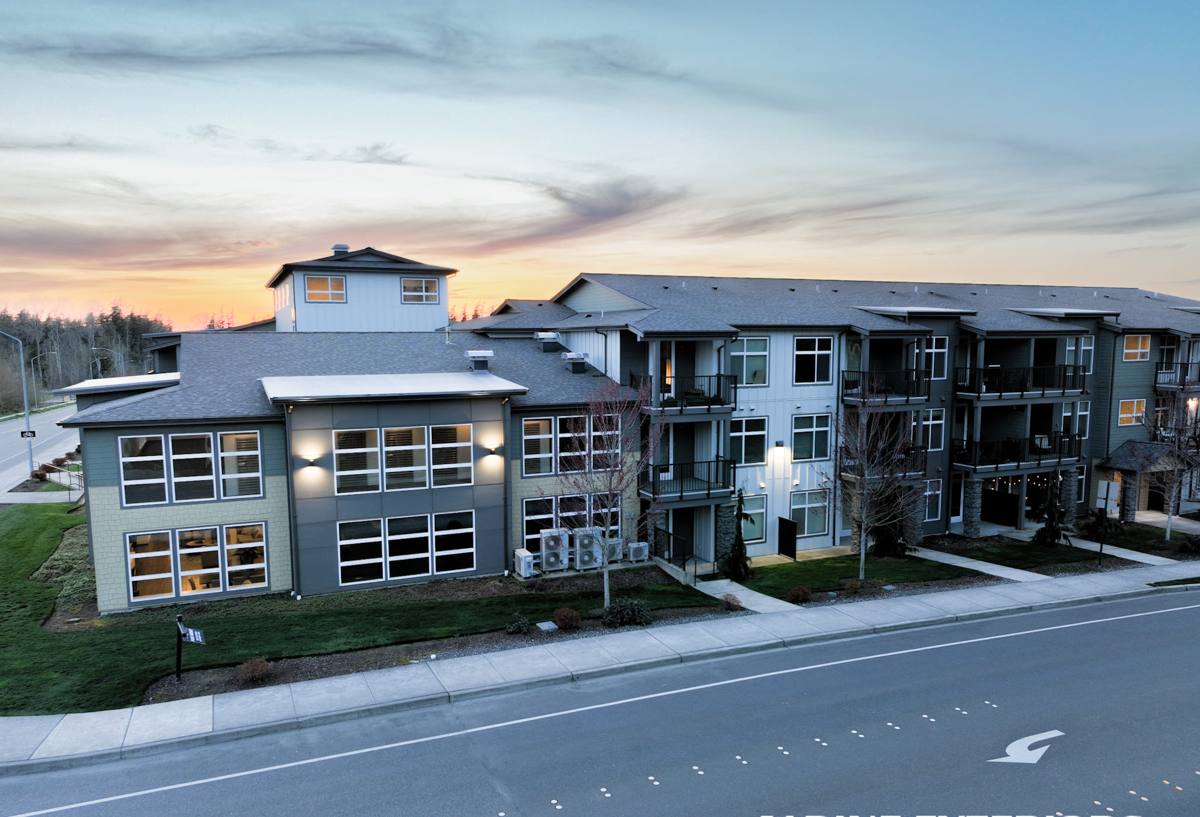
What Similk Beach's Climate Does to Siding
Salt Air and Coastal Moisture
Homes near the water absorb airborne salt on every surface, including siding. Salt is hygroscopic — it pulls moisture out of the air and holds it against whatever it lands on. On wood-based siding products, that means the surface stays damp longer than it would a few miles inland, which accelerates swelling, cracking, and paint failure at the seams and fastener points. Fiber cement doesn't absorb moisture the way wood or wood-fiber composites do, which is a major reason it holds up better this close to the shoreline.
Driving Rain
Anacortes gets plenty of rain, but the rain that matters most for siding is the kind that hits the wall horizontally during a windstorm. Driving rain finds every gap, unsealed joint, and poorly lapped seam on a home's exterior. Siding that isn't installed with the right clearances, flashing, and overlap will let water behind the cladding, and once water gets behind siding on a coastal lot, it tends to stay there.
Moss and Shade Season
Similk Beach has stretches of tree cover and north-facing walls that don't get much direct sun for months at a time. That shade keeps siding damp and creates ideal conditions for moss and algae growth on any surface that holds moisture at the surface. Products with absorbent facings or textured surfaces that trap water are more prone to visible moss and mildew staining than a factory-finished fiber cement panel.
Why We Install Only James Hardie Fiber Cement
We made a deliberate decision years ago to install one siding system, on every job, in every neighborhood we work — James Hardie fiber cement. We don't install LP SmartSide, vinyl, Cemplank, Allura, primed spruce, or cedar. That's not a marketing line; it's a standard we hold to because of what we've seen these products do, and not do, in exactly this kind of coastal Pacific Northwest climate.
- Non-combustible core: Hardie's fiber cement composition doesn't support flame spread the way wood-based sidings can, which matters for insurance considerations and long-term peace of mind.
- Engineered for climate zones: Hardie's HZ5 product line is formulated specifically for cold, wet, freeze-thaw climates like ours — it's not a one-size-fits-all product shipped the same way to Arizona and Washington.
- Factory-applied ColorPlus finish: The color is baked on in a controlled factory environment rather than field-painted, which gives more consistent coverage and better resistance to fading and moisture intrusion at the surface.
- Dimensional stability: Fiber cement expands and contracts far less than wood or wood-composite siding with humidity and temperature swings, so caulked joints and paint lines stay intact longer.
- Transferable warranty: Hardie backs its products with a strong, transferable warranty structure, which adds real value if a Similk Beach home changes hands.
We're not going to tell you other siding products are junk — plenty of them serve a purpose, and each has trade-offs worth understanding on their own terms. What we will say is that after installing siding across Skagit County's coastal and inland homes, fiber cement from James Hardie is the product we trust to hold up on a lot like a Similk Beach property, and it's the only thing we put our name behind.
What a Correct Fiber Cement Installation Involves
Fiber cement is only as good as its installation. A misinstalled Hardie job can still trap moisture, crack at the joints, or void the warranty — the product isn't magic, the assembly is what protects the wall.
The Assembly, Not Just the Panel
| Component | Why It Matters at Similk Beach |
|---|---|
| Weather-resistive barrier | Provides a secondary drainage plane behind the siding if wind-driven rain gets past the cladding |
| Rainscreen / drainage gap | Lets any moisture that reaches the back of the siding drain and dry instead of sitting against the sheathing |
| Flashing at windows, doors, and penetrations | Directs water away from the most common leak points on a coastal-exposed wall |
| Correct fastener pattern and clearance | Keeps panels secure without over-driving nails that crack the board or trap water at the head |
| Proper ground and roofline clearance | Keeps splash-back moisture and moss-prone debris away from the bottom course |
| Factory-cut edge sealing | Field-cut panel ends need sealing per Hardie spec to prevent moisture wicking into the cut edge |
Common Mistakes We See on Coastal Homes
- Panels installed tight to the ground or a deck surface with no clearance, inviting splash-back and moss
- Missing or undersized flashing above windows and trim, a frequent source of hidden leaks
- No rainscreen gap on a wall that faces prevailing wind-driven rain
- Caulk used in place of proper flashing at butt joints
- Fasteners overdriven, cracking the board or breaking the factory finish seal
Every one of these is avoidable with a crew that installs Hardie to spec, not to shortcut.
Our Process for Similk Beach Siding Projects
1. On-Site Assessment
We walk the exterior with you, looking specifically at exposure — which walls take the brunt of wind-driven rain off the water, where shade and moss buildup are worst, and where existing siding or trim shows signs of moisture damage.
2. Product and Line Selection
We help you choose the right Hardie plank, panel, or shingle profile and ColorPlus finish for the home, factoring in HOA or neighborhood character where relevant, and confirming the HZ5 climate specification is used.
3. Tear-Off and Sheathing Check
We remove existing siding and inspect the sheathing underneath for hidden rot or moisture damage before anything new goes on — a step that's easy to skip and easy to regret skipping on an older coastal home.
4. Weather Barrier and Drainage Plane
We install a proper weather-resistive barrier and rainscreen gap so the wall assembly can shed and dry moisture, not just resist it at the surface.
5. Installation to Hardie Spec
Panels, flashing, and fasteners go in per James Hardie's published installation guidelines — the same guidelines that back the manufacturer's warranty.
6. Final Walk-Through
We review the finished exterior with you, covering care and maintenance specific to a shaded, salt-air lot like Similk Beach.
Living With Fiber Cement Siding at Similk Beach
Once it's installed correctly, fiber cement siding is low-maintenance, but "low-maintenance" doesn't mean "no attention." A yearly rinse-down helps keep salt residue and early moss growth from building up, especially on shaded, north-facing walls. Keep gutters clear so overflow doesn't run down the siding face, and keep an eye on any plantings or shrubs that grow close enough to hold moisture against the wall. None of this is heavy upkeep — it's the kind of routine care that keeps any siding system, including a well-installed Hardie job, looking good for decades.
Cost Factors for Similk Beach Siding Projects
| Factor | Why It Affects Cost |
|---|---|
| Tear-off complexity | Multiple layers of old siding or hidden rot repair add labor time |
| Home size and wall detail | More corners, trim, and window/door openings mean more cutting and flashing work |
| Siding profile and finish | Lap, shingle, and panel styles vary in material and labor cost |
| Access and site conditions | Waterfront lots with limited staging area or steep grades can add setup time |
| Sheathing repair | Moisture-damaged sheathing found during tear-off needs replacement before new siding goes on |
We don't publish blanket pricing because every Similk Beach home is different, but we'll always give you a clear, itemized estimate before any work starts.
Why Local Experience with Similk Beach Homes Matters
A crew that's worked this stretch of Skagit County knows which walls take the worst of the driving rain, which lots hold shade long enough to grow moss fast, and how salt air behaves differently here than it does even a short distance inland. That's not something you learn from a spec sheet — it's something you learn by installing siding on homes like this one, in this weather, over and over. It shapes small decisions, like where we add extra flashing attention or how we set clearances, that a crew unfamiliar with the area might not think twice about.
If you're planning a siding project for a Similk Beach home, we'd be glad to take a look and walk you through what correct James Hardie installation looks like for your specific property. Request a free, no-pressure estimate using the form below.