 Anacortes Window
 Roofing on Cap Sante Comes With Its Own Set of Problems
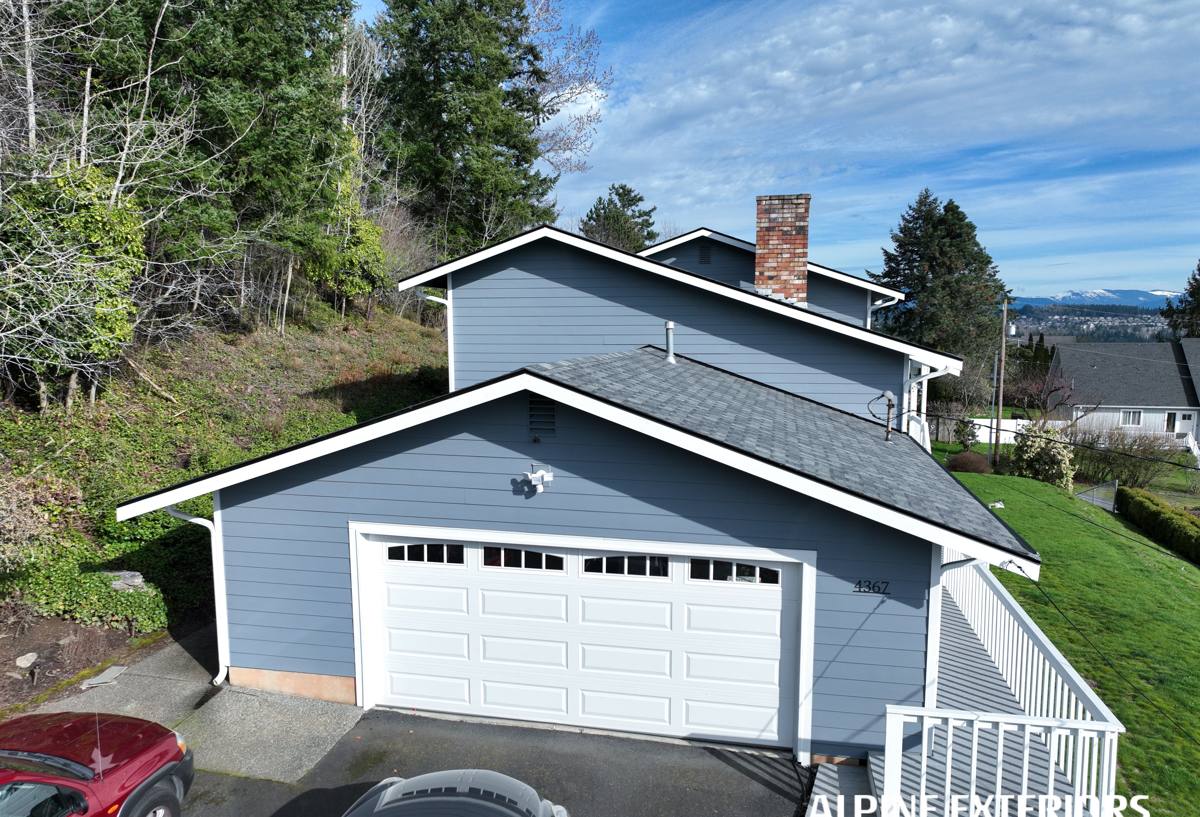
Cap Sante sits high above the marina and the water, which is exactly why homeowners up there love it and exactly why the roofs take more abuse than roofs just a few miles inland. Elevation and exposure to Rosario Strait and the marina below mean more direct salt-laden air, more wind-driven rain hitting the roof at an angle instead of falling straight down, and a longer damp season that gives moss and moisture plenty of time to work into materials that were not built to handle it. A roof replacement here is not the same job as a roof replacement in a sheltered inland neighborhood, and treating it that way is how homeowners end up with a roof that looks fine for two years and then starts failing at the edges, valleys, and fasteners.
This page covers what a Cap Sante home actually needs from a roof replacement, what a correctly done job looks like, and how we approach it when we're working in this specific part of Anacortes.
What the Cap Sante Environment Does to a Roof Over Time
Salt Air and Metal Fasteners
Homes closer to the water take on a steady exposure to salt-laden air. That air is hard on any exposed metal — nails, screws, flashing, and drip edge all corrode faster here than they would a few miles inland. A roof replacement that uses standard-grade fasteners and thin flashing might hold up fine in a low-exposure area, but on a bluff overlooking the marina, those same materials can start showing rust streaks and early failure well before their expected lifespan.
Wind-Driven Rain
Because Cap Sante is elevated and exposed, storms coming off the water tend to drive rain sideways into roof planes rather than straight down. That matters because a lot of roof leaks don't happen through the shingle field — they happen where wind pushes water up and under laps, ridge caps, and flashing that were only designed to shed water moving downhard. Underlayment quality and lap technique matter more here than on a sheltered lot.
Moss and Extended Damp Season
Skagit County's long wet stretch, combined with tree cover common around Anacortes neighborhoods, gives moss a long runway to establish itself on north-facing slopes and shaded valleys. Moss holds moisture against the roofing surface, which shortens the life of asphalt shingles and can work granules loose over time. It also creeps under shingle tabs and lifts them, which is often the first real physical damage a homeowner notices — usually well after the moss itself has been visible for a season or two.
Signs a Cap Sante Roof Needs Replacement, Not Just a Repair
Not every problem roof needs a full tear-off. But there are signs that patching is just delaying a bigger job:
- Granule loss heavy enough that you can see bare or shiny patches on shingles, especially on slopes facing prevailing wind and rain
- Soft spots in the decking when walked on, which usually means water has already gotten past the roofing layer
- Rusted or pitted flashing around chimneys, vents, and valleys — a strong sign the salt air has been working on it for years
- Persistent moss regrowth even after cleaning, which usually means the surface underneath is already degraded enough to hold moisture
- Multiple isolated leaks in different areas rather than one clear failure point
- A roof that is at or past the manufacturer's expected service life for its material, even if it "looks okay" from the ground
If you're only seeing one or two of these, a repair may still make sense. If you're seeing several at once, replacement is usually the more honest recommendation, since patching an aging roof in this environment tends to buy months, not years.
What a Correct Roof Replacement Involves Here
Tear-Off and Deck Inspection
We don't recommend roofing over an existing layer on homes in this area. A full tear-off lets us actually see the decking, which is the only way to catch soft or rotted plywood before it's covered up again for another 20-plus years. Given how much moisture this location deals with, skipping this step is a bad trade for a small cost savings.
Upgraded Underlayment
Because wind-driven rain is a real factor on Cap Sante, we treat synthetic or ice-and-water-shield-grade underlayment in vulnerable zones — eaves, valleys, and around penetrations — as a standard part of the job here, not an upsell. This is the layer that saves a roof when wind pushes water somewhere it normally wouldn't go.
Corrosion-Resistant Flashing and Fasteners
Given the salt air exposure, we use flashing and fastener grades chosen for coastal-adjacent conditions rather than the minimum the building code requires. It costs a bit more up front and it's the difference between flashing that lasts the life of the roof and flashing that needs attention in year eight.
Ventilation
Proper intake and exhaust ventilation keeps the underside of the roof deck dry and temperature-stable, which matters in a climate where the air outside is often damp for months at a stretch. Poor ventilation traps moisture against the deck from the inside, which undoes a lot of the benefit of a good exterior roofing system.
Moss Prevention Details
Where trees shade the roof, we look at whether zinc or copper strips near the ridge make sense for ongoing moss suppression, and we make sure valleys and low-slope transitions are detailed so water and debris don't sit and collect.
Comparing Roofing Materials for Cap Sante's Conditions
| Material | How It Handles Salt Air & Rain | Moss Resistance | General Lifespan |
|---|---|---|---|
| Architectural asphalt shingle | Good, with quality underlayment and flashing | Moderate — benefits from zinc/copper strips | 20-30 years |
| Standing seam metal | Very good when properly coated and fastened | High — sheds moss more easily than shingle | 40-50+ years |
| Synthetic/composite shingle | Good, resists moisture absorption well | Moderate to high depending on product | 30-50 years |
There's no single "correct" material for every Cap Sante home — it depends on the roof's slope, tree coverage, the home's style, and budget. What matters more than brand name is whether the installation details (flashing, underlayment, ventilation, fastener grade) are done right for this specific exposure. A premium shingle installed with corner-cutting details underneath will underperform a mid-tier shingle installed correctly.
Cost Factors for a Cap Sante Roof Replacement
We don't post fixed prices because every roof is different, but here are the factors that actually move the number:
| Factor | Why It Matters |
|---|---|
| Roof size and number of planes | More cuts, valleys, and hips mean more labor and material waste |
| Decking condition | Rotted plywood found during tear-off adds material and labor to replace it |
| Material choice | Asphalt, metal, and composite carry different material and labor costs |
| Access and pitch | Steep roofs or homes with limited equipment access take longer and require more safety setup |
| Ventilation upgrades | Adding proper intake/exhaust venting where it's missing adds scope but pays off long-term |
Any reasonable estimate should walk through these line by line rather than giving a flat per-square number with no explanation.
Our Process
- On-site inspection. We look at the roof, the decking (where accessible), attic ventilation, and the specific exposure of your home — which slopes face the water and prevailing wind.
- Written estimate. Material options, scope, and cost factors explained in plain terms, not just a total number.
- Tear-off and deck check. Full removal of old roofing, with any decking issues flagged and discussed before we cover them back up.
- Underlayment and flashing installation. This is where most of the long-term water protection actually comes from, so we don't rush it.
- Roofing material installation. Installed to manufacturer specification, with attention to the details that matter most in this environment.
- Cleanup and final walkthrough. We go over the finished roof with you before calling the job done.
Why Hiring a Crew That Already Works Cap Sante Matters
A roofing crew that mostly works drier, more sheltered neighborhoods will build a technically fine roof — for a different climate. Working in Cap Sante and the surrounding Anacortes waterfront areas regularly means we already account for the salt exposure, the wind angle off the water, and how long moss season really runs in Skagit County, instead of treating this job like a standard inland reroof and hoping it holds up. It also means practical familiarity with the tighter lots, steeper driveways, and access considerations common on the hill, which affects how we stage material and equipment safely.
None of that shows up on a spec sheet, but it shows up in whether the flashing is still tight in year twelve.
A Simple Homeowner Checklist
- Check for granule buildup in gutters after storms — an early sign of shingle wear
- Look at north-facing and shaded slopes for moss at least once a year
- Have flashing around chimneys and vents inspected every few years, sooner if you see rust staining
- Keep gutters and valleys clear of needles and debris so water doesn't pool
- Get a professional opinion before a small leak turns into a decking replacement
If your roof is showing wear, or you just want an honest read on how many years it has left, we're happy to take a look. The estimate is free, there's no pressure, and you'll get a straight answer about what your Cap Sante home actually needs — use the form below to get started.