 Anacortes Window
 Why Old Town Anacortes Puts Roofs to the Test
Old Town Anacortes sits close to the water, and that proximity shapes everything about how a roof ages here. Salt-laden air drifts in off the surrounding waterways and settles on every exposed surface, including your roof. Combine that with the wind-driven rain that comes through Skagit County in the fall and winter, plus a long, wet moss season that can run from October well into spring, and you have a roofing environment that punishes weak materials and sloppy installation faster than it would in a drier, inland town.
Many of the homes in this part of Anacortes were built decades ago, with roof lines, eave details, and attic ventilation that reflect older construction standards. That matters when you're planning a metal roof, because the roof isn't just a covering — it's a system that has to work with the house underneath it. A metal roof done right in Old Town Anacortes accounts for the salt exposure, the rain volume, the moss pressure, and the quirks of an older structure all at once.
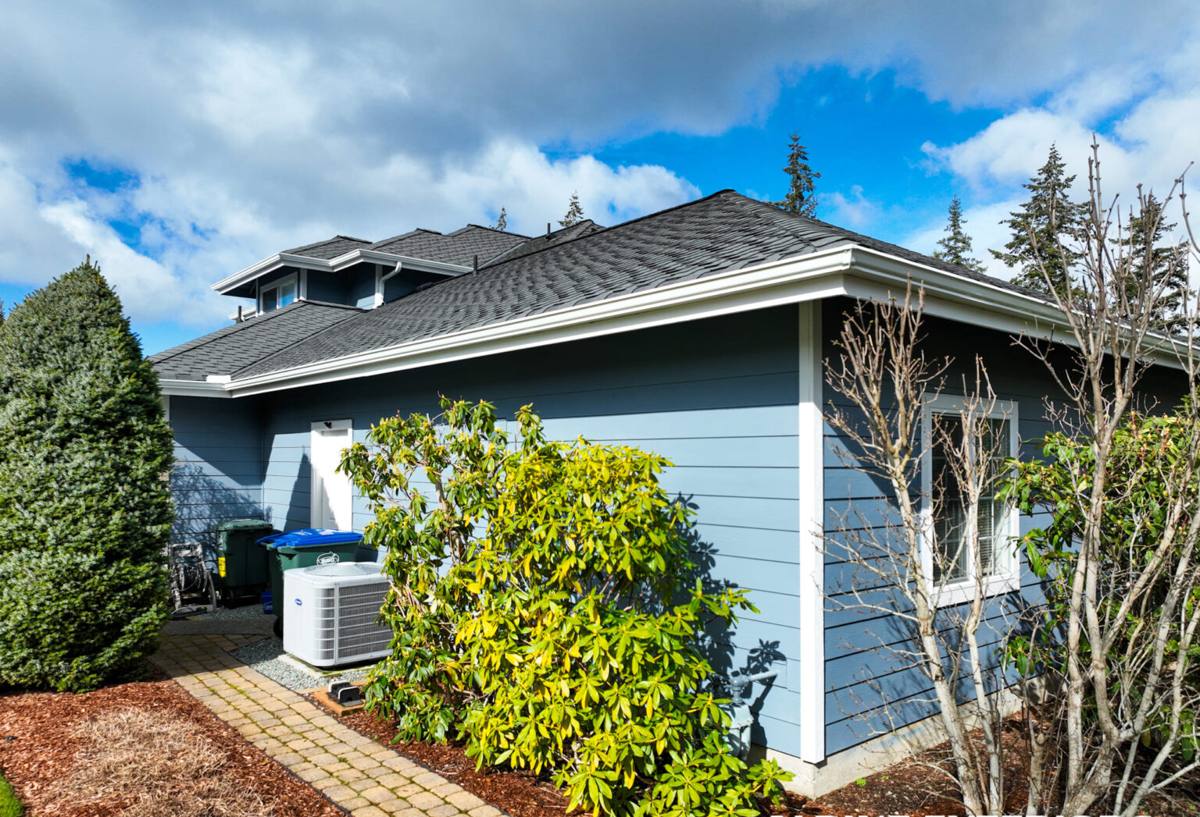
What Salt Air Actually Does to a Roof
Salt air is corrosive to unprotected or poorly coated metal. It doesn't just sit on the surface — over years it works into fastener heads, cut edges, and any spot where a coating has been scratched or thinned during installation. Homes closer to open water see this faster than homes set back a few blocks, but no property in Old Town Anacortes is far enough away to ignore it entirely.
This is why the choice of metal, coating, and fastener type isn't a cosmetic decision here — it's a durability decision. A roof that would hold up fine forty miles inland can show premature rust streaking, fastener corrosion, or coating breakdown within a handful of years if it's specified for a different climate.
What We Look For in Coastal-Grade Metal
- Coatings rated for coastal/marine exposure, not just standard residential use
- Stainless or coated fasteners that match the panel material to avoid galvanic corrosion
- Factory-applied finishes over field-applied paint wherever possible
- Properly sealed cut edges and panel ends, since exposed raw metal is where corrosion starts
Driving Rain and Water Management
Skagit County storms don't always come straight down. Wind-driven rain pushes water sideways and upward under laps, around penetrations, and into any gap in flashing that a calmer climate might tolerate. On a metal roof, water management lives or dies at the details: how panels overlap, how ridge and hip caps are sealed, how the roof ties into valleys, chimneys, skylights, and dormers.
On older Old Town homes, we often find roof-to-wall intersections, low-slope porch sections, or additions that were built at different times with different roof planes. Each one of those transitions is a place water can find a way in if the flashing isn't done correctly. This is where experience with this specific neighborhood's housing stock pays off — we've seen how these older roof geometries behave in real weather, not just on paper.
Moss: The Slow, Quiet Damage
Moss season in this part of Washington is long, and moss doesn't need much to get established — shade, moisture, and a rough surface are enough. On asphalt shingles, moss roots into the granules and lifts them. On a properly installed metal roof, moss has a much harder time getting a foothold because the surface is smooth and sheds water quickly. That's one of the real advantages of metal roofing in this climate, not a marketing point — a slick, continuous metal surface simply gives moss less to grab onto than a textured shingle surface does.
That said, metal roofs aren't immune. Moss and organic debris can still accumulate in valleys, around penetrations, and in areas shaded by overhanging trees, which are common on older, established lots in Old Town Anacortes. Left unaddressed, trapped moisture under debris can eventually affect fasteners and sealants even on a metal roof.
Panel Options: What We Actually Install and Why
Not every metal roofing system is a good fit for a coastal, high-rain, moss-prone environment. We steer homeowners toward systems that minimize exposed fasteners and maximize water-shedding performance, because those two factors matter more here than in a milder climate.
| System | Fastening | Best Fit | Trade-Offs |
|---|---|---|---|
| Standing seam | Concealed clips, no exposed fasteners on the field | Full roof replacements, homes with heavy rain/wind exposure | Higher upfront cost, requires skilled installation |
| Exposed-fastener panel | Screws through the panel face | Budget-conscious projects, secondary structures | Fasteners are a long-term maintenance point in salt air; gaskets wear over time |
| Stone-coated steel | Concealed, shingle-style profile | Homes wanting a traditional look with metal durability | More seams and laps than standing seam; needs careful detailing at valleys |
For most Old Town Anacortes homes exposed to direct weather, we recommend standing seam as the default starting point, then adjust based on the roof's complexity, the home's architecture, and the homeowner's budget. Exposed-fastener systems still have a place — they're a reasonable option for outbuildings, shops, or lower-budget projects — but we're upfront that they carry more long-term maintenance in this climate because every screw penetration is a potential future leak point once its gasket ages.
Working With an Older Roof Structure
Before we talk panels or color, we look at what's underneath. Many Old Town Anacortes homes have roof decking, ventilation, and framing that were adequate for the roofing materials of their era but need attention before a metal roof goes on. Metal roofing is unforgiving of a poor substrate — an uneven deck telegraphs through the panels, and inadequate attic ventilation can cause condensation issues underneath metal that wouldn't show up the same way under shingles.
What We Check Before Installation
- Deck condition — soft spots, rot, or delamination from years of moisture exposure
- Existing ventilation — intake and exhaust balance, especially in older attics
- Underlayment needs — a high-quality synthetic or self-adhered membrane at eaves, valleys, and penetrations
- Structural fit for the new system — some panel profiles need furring strips or battens depending on the deck
Our Process for a Metal Roof in Old Town Anacortes
- On-site assessment. We walk the roof and attic, note the age and condition of the deck, ventilation, flashing, and any problem areas specific to the home's layout.
- System recommendation. Based on the roof's exposure, slope, and your budget, we recommend a panel type and finish suited to this climate — not a one-size-fits-all package.
- Tear-off or overlay decision. In most cases we recommend a full tear-off so we can inspect and repair the deck, but we'll tell you honestly if your roof is a candidate for an overlay system.
- Underlayment and flashing detail. This is where leaks are prevented before a single panel goes down — valleys, penetrations, and roof-to-wall transitions get sealed and flashed correctly.
- Panel installation. Panels are installed to manufacturer spec with attention to expansion allowance, since metal moves with temperature changes.
- Final walkthrough and cleanup. We check seams, fasteners, and trim, then make sure the site is clear of debris and old material.
Cost Factors Homeowners Should Understand
Metal roofing costs more upfront than asphalt shingles, but the comparison isn't apples to apples once you factor in lifespan and maintenance in a climate like this one. Rather than quote a number that doesn't apply to your roof, here's what actually drives the price:
| Factor | Why It Matters |
|---|---|
| Panel system chosen | Standing seam runs higher than exposed-fastener panels due to labor and material |
| Roof complexity | Valleys, dormers, and multiple roof planes increase flashing work and labor time |
| Deck and structural repair | Older homes sometimes need deck repair before metal can go on correctly |
| Tear-off vs. overlay | Removing old roofing adds labor and disposal cost but is usually the right call |
| Coating and finish grade | Coastal-rated finishes cost more than standard-grade coatings but last longer here |
Maintenance That Actually Fits This Climate
A metal roof needs less maintenance than shingles, but "less" isn't "none," especially this close to the water. A simple annual routine goes a long way toward protecting the investment:
- Clear valleys and gutters of needles, leaves, and moss debris before fall rains set in
- Check for any scratched or exposed metal at panel edges and touch up as needed
- Inspect flashing around chimneys, vents, and skylights for sealant wear
- Trim back overhanging branches that keep sections of the roof shaded and damp
- Watch for any fastener backing out or gasket wear on exposed-fastener systems
Why Local Experience in Old Town Anacortes Matters
A crew that only occasionally works this close to the water can miss things that are second nature to a crew that works Anacortes and greater Skagit County regularly. That includes knowing how salt exposure varies block by block, how the older housing stock in this neighborhood was typically framed and vented, and how to sequence a roof replacement around the wetter stretches of the year so materials and substrate stay dry during the work. It also means being available for the occasional follow-up — a resealed penetration, a gutter recommendation, a question a year or two after installation — without you needing to explain your house from scratch to someone new every time.
What to Ask Any Metal Roofing Contractor Before You Hire
- Do you specify coastal-grade coatings and fasteners for homes near the water?
- Will you inspect and address deck and ventilation issues before installing panels?
- What's your approach to flashing at valleys, walls, and penetrations?
- Can you explain the trade-offs between panel systems in plain terms, not just upsell one?
- Do you carry proper licensing and insurance for roofing work in Washington?
If you're weighing a metal roof for a home in Old Town Anacortes, we're happy to take a look and give you a straight assessment — no pressure, no upsell. Use the form below to request a free estimate.