 Anacortes Window
 Old Town Anacortes: A Different Kind of Deck Job
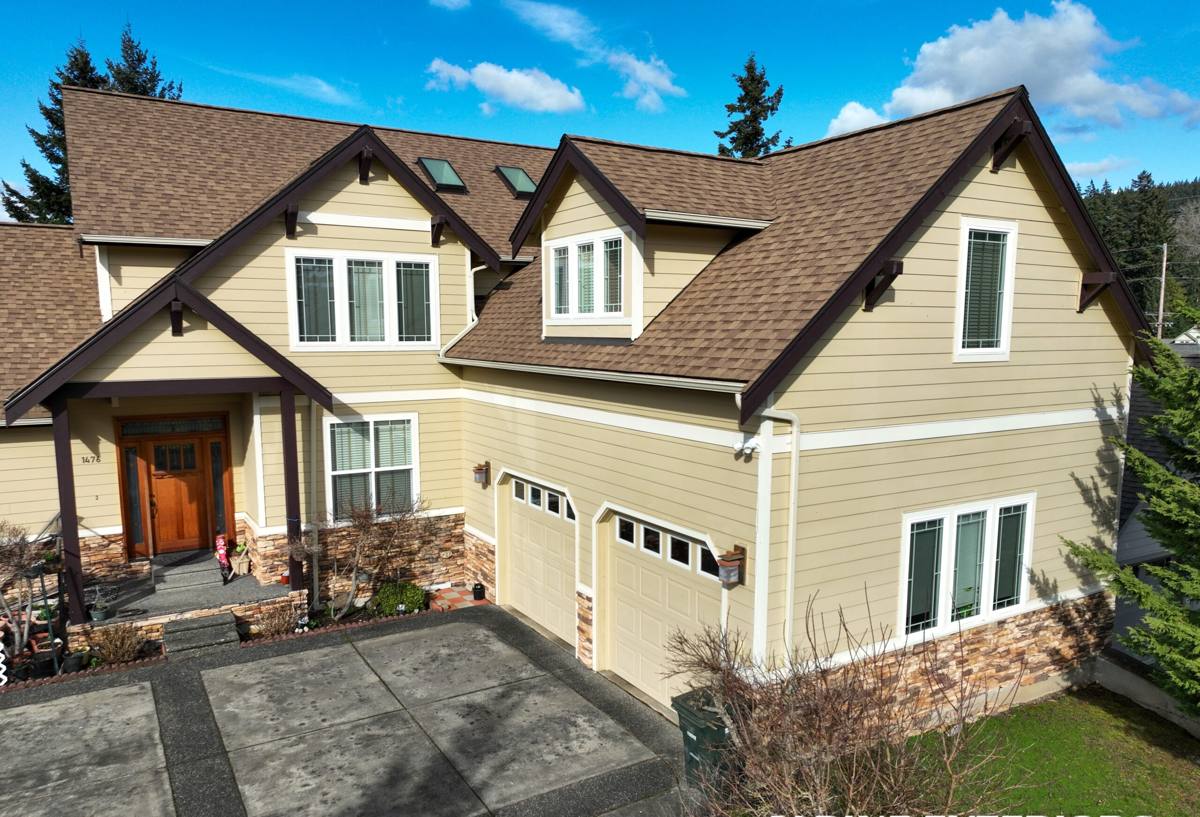
Old Town Anacortes is one of the older, more established parts of the city, with a mix of vintage homes, mature landscaping, and lots that were platted long before anyone was thinking about deck ledger flashing or code-minimum guardrail height. Many of these houses have already been added onto, re-roofed, or re-sided at least once, and a fair number have an older deck that was built to a different (or no) standard. That history matters when you're planning a new custom deck. It changes what we look for at the ledger connection, how we plan footings around existing landscaping and utilities, and how we match a new structure to a house that's been settling and weathering for decades.
It also matters because Old Town sits close enough to the water that the deck is going to live in a genuinely marine environment — salt-laden air, wind-driven rain, and shade from established trees that keeps things damp longer than homeowners expect. A deck built here needs to be planned for that reality from the start, not patched for it later.
What Salt Air, Driving Rain, and Moss Season Actually Do to a Deck
Anacortes and the rest of Skagit County get a long, wet stretch of the year, and Old Town's proximity to the water adds a salt component that inland Skagit properties don't deal with as much. None of this is exotic — it's just persistent — but it adds up over the life of a deck in a few specific ways:
- Corrosion of fasteners and hardware — salt air accelerates rust on anything that isn't rated for it, including screws, joist hangers, and structural bolts.
- Wood movement — repeated wet-dry cycles cause boards to cup, crack, and pull away from fasteners over time.
- Moss and algae growth — shaded, damp surfaces (especially north-facing decks or those under tree canopy) grow moss fast, and moss holds moisture against the decking surface.
- Hidden rot at connection points — the ledger board, stair stringers, and post bases are where water collects and where failures start, usually out of sight until the damage is advanced.
None of these issues show up overnight. They show up in year six or eight, on a deck that was built with standard hardware and no real drainage plan, and by then the fix is a rebuild instead of a repair.
Decking Material Options — What Actually Holds Up Here
There's no single "right" decking material for Old Town Anacortes — it depends on budget, how much upkeep you want to commit to, and how the house looks. What matters is picking with the local climate in mind rather than picking on looks alone. Here's an honest comparison of the main options we install:
| Material | Upfront Cost | Maintenance | Moisture & Salt Air Behavior |
|---|---|---|---|
| Pressure-treated lumber | Lowest | Needs re-sealing every 1-2 years | Holds up structurally but shows wear fastest on visible surfaces; end grain and cut edges need extra sealing |
| Cedar | Mid-range | Annual cleaning and periodic oiling to hold color | Naturally rot-resistant and handles damp shade reasonably well, but silvers and can develop moss if left unmaintained |
| Composite decking | Higher | Occasional washing, no sealing or staining | Doesn't rot or splinter; some early-generation composites held moisture at the surface, so we install boards and hardware sized for proper drainage |
| PVC / capped polymer | Highest | Lowest — soap and water | Fully sealed surface resists moisture and salt exposure best of the group, at the highest material cost |
For homes closer to the water or under heavy tree cover, we usually steer people toward composite or PVC for the field of the deck, sometimes with cedar or a painted wood skirt to keep the look consistent with an older home's character. For homeowners who want the natural wood look and are willing to stay on top of maintenance, cedar remains a solid choice — it's a matter of being honest about the upkeep, not talking anyone out of it.
A Note on Framing Lumber
Whatever decking material goes on top, the framing underneath is almost always pressure-treated lumber rated for ground contact where it's near soil. The species and treatment level matter less than getting the hardware right, which is the next section.
The Structure Underneath: Where Decks Actually Fail
Most deck failures don't start with the decking boards — they start with the connections you can't see once the project is finished. This is where a salt-air climate changes the specification, not just the technique:
- Ledger flashing — the strip where the deck attaches to the house needs proper flashing so water sheds away from the house framing instead of tracking behind the siding.
- Fastener and hardware rating — in a marine-influenced climate, standard galvanized hardware corrodes faster than it should. We spec stainless steel or heavy hot-dip galvanized hardware rated for use with modern treated lumber, especially at ledger bolts, joist hangers, and post bases.
- Post bases and footings — posts set directly in or near soil, or on undersized footings, are a common weak point on older Old Town decks. Correct footing depth and a post base that keeps wood off wet concrete both matter.
- Joist spacing and blocking — proper spacing isn't just about deflection; tighter, correctly blocked framing also reduces the flex that eventually works fasteners loose.
A deck that looks identical from the top can be built two very different ways underneath. The hardware and flashing details are the difference between a deck that's still solid in fifteen years and one that needs structural repair in eight.
Railings, Stairs, and Local Code
Anacortes permits and inspects deck construction, and for good reason — railings and stairs are where injuries happen when a deck is built wrong. A few things we always confirm on a custom deck:
- Guardrail height and baluster spacing that meets current code, not whatever was standard when an older deck on the property was originally built.
- Stair rise and run consistency — uneven steps are one of the most common deck-related injury causes, and it's also one of the easiest things to get right with careful layout.
- Attachment of the ledger board to the house structure, which is inspected separately from the rest of the deck framing because it's the connection most likely to fail catastrophically if done wrong.
Permitting takes a little longer than skipping it, but it also means a third party is checking the structural work, not just us. For a project on an older Old Town home, that inspection is worth having.
Drainage and Moss Management for the Life of the Deck
Moss season in this part of Skagit County is long, and a deck built without drainage in mind will show moss and algae well before the structure itself is a concern. A few design choices reduce how much of a problem this becomes over time:
- Proper gapping between boards so water drains through instead of pooling on the surface.
- Board orientation and layout that accounts for how much shade the deck actually gets, especially under mature trees common on older Old Town lots.
- Under-deck drainage or grading so water moving through the boards doesn't sit against footings or the underside of framing.
- A simple annual cleaning routine — sweeping debris off before it composts into the surface, and a seasonal wash — which does more to prevent moss buildup than any product applied after the fact.
We talk through expected sun exposure and drainage during the design stage, because it's much cheaper to plan for shade and moisture at that point than to retrofit drainage under a finished deck later.
How We Build a Custom Deck in Old Town Anacortes
Our process is the same one we use across Skagit County, but for Old Town specifically we spend extra time on the site visit because of how varied the older lots and homes are here.
- Site visit and assessment — we look at grade, existing structure (including any old deck being replaced), tree cover and shade patterns, and where the ledger will attach to the house.
- Design and material selection — sized to the home, with decking and hardware chosen for the site's actual sun and moisture exposure, not a generic default.
- Permitting — we handle the permit application and coordinate inspections with the City of Anacortes.
- Framing and structural work — footings, ledger flashing, framing, and hardware installed to the spec set in design, built to pass inspection, not just to look finished.
- Decking, railings, and finish work — surface material, railings, and stairs installed and finished.
- Final walkthrough — we go over the finished deck with you, including basic maintenance expectations for whatever material was installed.
What to Ask Before You Hire a Deck Builder
Whether you hire us or someone else, these are reasonable questions for any contractor building a deck near the water in Skagit County:
- Are you licensed, bonded, and insured, and can you provide proof?
- Will the permit be pulled in your name, and who coordinates the inspections?
- What hardware and fastener grade do you use, and is it rated for a marine-air environment?
- How is the ledger board flashed where it meets the house?
- What's the footing depth and post base detail for this specific site?
- Can I see a couple of decks you've built in this area that have been in place a few years?
A contractor who can answer these clearly and specifically, rather than in general terms, is one who's actually thought through building for this climate.
Get a Free Estimate
If you're planning a new deck or replacing an older one in Old Town Anacortes, we're happy to come take a look, walk the site with you, and put together an honest estimate — no pressure, no obligation. Use the form below to get started.