 Anacortes Window
 Why Roofs in Skyline Wear Differently Than Roofs Inland
Skyline sits close to the water on Fidalgo Island, and that location changes what a roof has to deal with day to day. Homes just a few miles inland in Skagit County face a milder version of the same weather — Skyline gets the fuller dose. Salt-laden air off the water, near-constant marine moisture, and heavy tree cover on many lots combine to age a roof faster than the manufacturer's brochure numbers suggest. If your roof is original to the house, showing granule loss, curling shingles, soft spots on the deck, or moss that comes back within a season of cleaning, it's worth having it looked at before a small problem becomes a leak.
A new roof installation done right for this area isn't just "put new shingles where the old ones were." It means choosing materials and details that actually hold up against salt air, driving rain, and moss, not just materials that look good on the day they're installed.
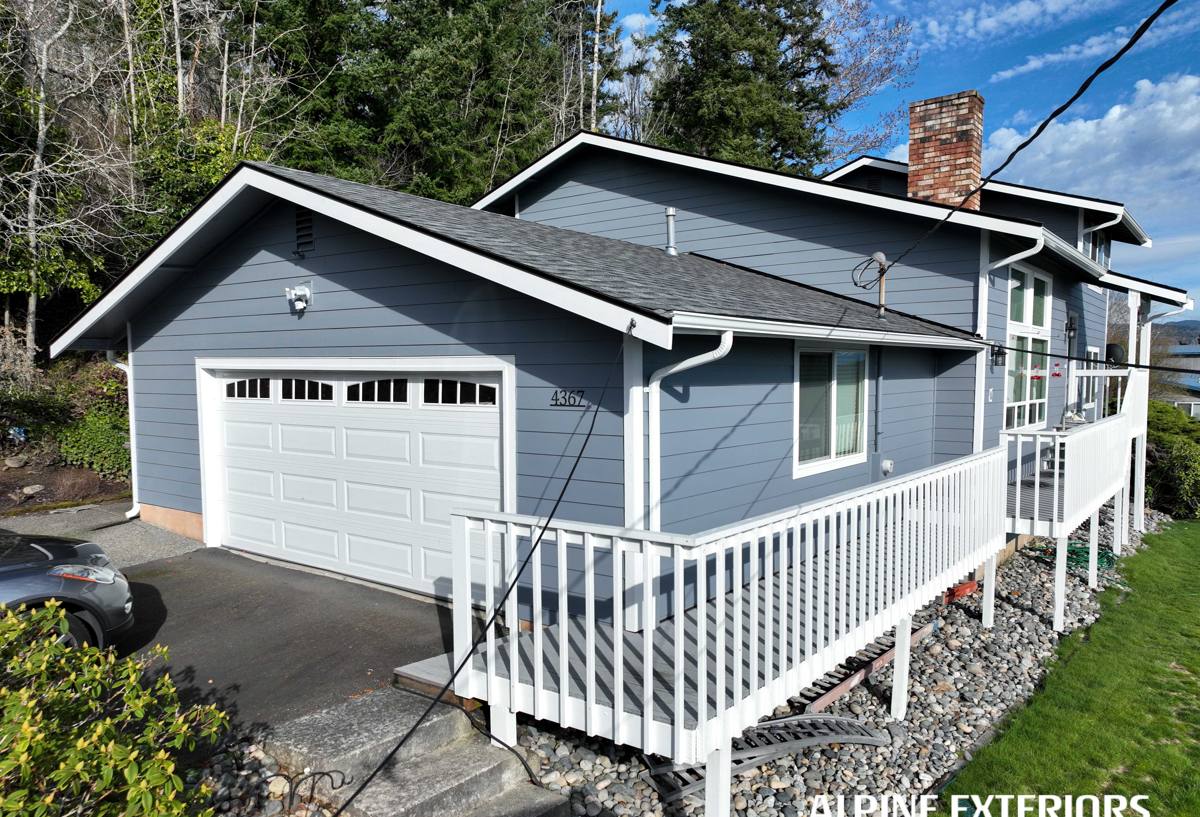
What Anacortes and Skagit County Weather Does to a Roof
Salt Air and Corrosion
Airborne salt from the surrounding water accelerates corrosion on anything metal — fasteners, flashing, vent caps, and gutter hardware. Standard electro-galvanized nails and cheap aluminum flashing can start showing rust or pitting years before they should. On a roof this close to salt water, fastener and flashing material choice matters more than it does on a roof twenty miles inland, and it's one of the first things that separates a durable installation from one that looks fine for a couple of years and then doesn't.
Moss on Shaded, North-Facing Slopes
Skagit County's long, damp shoulder seasons and the tree cover common around Skyline give moss and algae exactly the conditions they need: shade, moisture, and organic debris that never fully dries out. Moss isn't just cosmetic — as it grows it lifts shingle edges, holds water against the roofing material, and works its way under tabs and flashing over time. A roof installed without moss-resistant details or proper airflow will start growing it back within a season or two, no matter how good the shingle brand is.
Wind-Driven Rain
Storms coming off the water don't just drop rain straight down — wind pushes it sideways, under shingle tabs, up against vertical walls, and into any gap in the flashing. Roofs here need to be detailed for wind-driven rain specifically: tighter shingle nailing patterns, properly lapped underlayment, and flashing that's sealed rather than just tucked into place. A roof that would be adequate in a calmer, drier climate can leak here simply because it wasn't built for water coming in sideways.
What a Correct New Roof Installation Actually Involves
Full Tear-Off and Deck Inspection
We don't install new roofing over old shingles. A full tear-off lets us see the actual condition of the roof deck — soft, delaminated, or water-stained plywood gets replaced before anything new goes down. Skipping this step is one of the most common ways a roof fails early, because no shingle warranty covers a rotted deck underneath it.
Underlayment and Water Barrier
Underlayment is the roof's real waterproofing layer; shingles are the weather-resistant top coat. In a climate with this much rain, we use a synthetic underlayment with proper overlap, plus self-adhering ice-and-water membrane at the eaves, valleys, and around penetrations — the spots where wind-driven rain is most likely to find a way in.
Flashing and Penetrations
Flashing around chimneys, skylights, sidewalls, and pipe boots is where most roof leaks actually start, not in the open field of shingles. Correct flashing means new metal (not reused old flashing), proper step-and-counter flashing at walls, and sealed penetrations rated for long-term exposure to salt air and UV.
Ventilation That Matches the House
Balanced intake and exhaust ventilation keeps the attic dry and temperature-regulated, which does double duty here: it reduces the condensation that feeds moss and mildew, and it protects the shingles and deck from heat and moisture damage from underneath. A new roof installed without addressing ventilation is starting its life with a built-in weak point.
Choosing a Roofing Material for a Skyline Home
There's no single "best" roofing material — the right choice depends on your roof's exposure, your home's style, and how much long-term maintenance you want to take on. Here's an honest comparison of the main options homeowners in this area consider:
| Material | How It Handles Salt Air & Moisture | Moss Resistance | Typical Lifespan |
|---|---|---|---|
| Architectural asphalt shingle | Good, with corrosion-resistant fasteners and flashing | Fair — improves with algae-resistant granules and airflow | 25–30 years |
| Standing seam metal | Excellent, when finished and fastened with marine-grade hardware | Very good — smooth surface sheds moss more easily | 40–50+ years |
| Cedar shake | Requires diligent maintenance near salt air | Poor without regular treatment and cleaning | 20–30 years, maintenance-dependent |
| Synthetic composite shake/slate | Good — doesn't absorb moisture like wood | Good, especially with proper slope and airflow | 40–50 years |
We install architectural asphalt and metal roofing most often in this area because they hold up well against salt air and moss when detailed correctly, and their warranty structures are straightforward. We're generally cautious about untreated cedar shake this close to the water — it's a beautiful, traditional look, but it demands a maintenance schedule most homeowners underestimate, and neglecting it shortens its life fast in a damp, salty environment. If you want that look, a synthetic shake product is often a better long-term match for the climate while keeping the appearance you're after.
Our Process, Start to Finish
- On-site inspection and estimate. We look at the existing roof, deck condition, ventilation, and any problem areas — flashing, valleys, moss buildup — and give you a written estimate with material options.
- Material selection. We walk through the trade-offs above so you're choosing based on your roof's actual exposure and your budget, not guesswork.
- Scheduling around the weather. We plan installation for a realistic dry window and tarp and protect the house if conditions shift mid-job.
- Tear-off and deck repair. Old roofing comes off, the deck gets inspected, and any damaged sheathing is replaced before we move forward.
- Underlayment, flashing, and roofing installation. Installed in the order and with the details described above — this is where the long-term performance of the roof is actually decided.
- Cleanup and magnetic sweep. Debris and stray fasteners are cleared from the yard and driveway before we consider the job finished.
- Final walkthrough. We go over the finished roof with you, answer questions, and provide documentation for warranty and, if needed, insurance purposes.
Permits and Local Requirements
New roof installations in the City of Anacortes typically require a building permit, and the work needs to meet current Washington State building code for wind and moisture exposure — not just whatever standard applied when the original roof went on decades ago. We handle the permit process as part of the job rather than leaving it to the homeowner to sort out. If your property has design covenants around roofing color or material, that's worth checking before you finalize a selection; we're happy to work within whatever guidelines apply to your home.
After Installation: A Simple Maintenance Checklist
A correctly installed roof still benefits from basic upkeep, especially in this climate. A short annual routine goes a long way:
- Clear gutters and downspouts before the fall rains start, so water isn't backing up under the roof edge
- Trim back overhanging branches to cut down on shade, debris, and moss growth on affected slopes
- Do a visual check after major windstorms for lifted or missing shingles, especially on water-facing slopes
- Have moss growth treated or gently removed before it spreads, rather than waiting until it's established
- Check flashing around chimneys, skylights, and vent pipes periodically for sealant that's cracked or pulled away
- Keep attic vents clear of insulation, debris, or nesting material so ventilation keeps working as designed
Why Hiring a Crew That Already Works in Skyline Matters
A roofing crew that mostly works drier, inland areas can still do competent work — but they're often making judgment calls about flashing details, fastener choice, and ventilation based on conditions that don't match what a roof in Skyline actually faces. A crew that regularly works this part of Anacortes already knows which details matter here: where wind-driven rain tends to find weak spots, which slopes hold moss longest, and how salt air affects material choices over time. That local pattern recognition shows up in fewer callbacks and a roof that performs the way it's supposed to for its full lifespan, not just for the first few dry summers.
If your roof is aging, leaking, or just due for an honest look, we're glad to come out, inspect it, and give you a straightforward estimate — no pressure, no hard sell. Use the form below to get started.