 Anacortes Window
 Asphalt Shingle Roofing Built for Mount Vernon's Weather
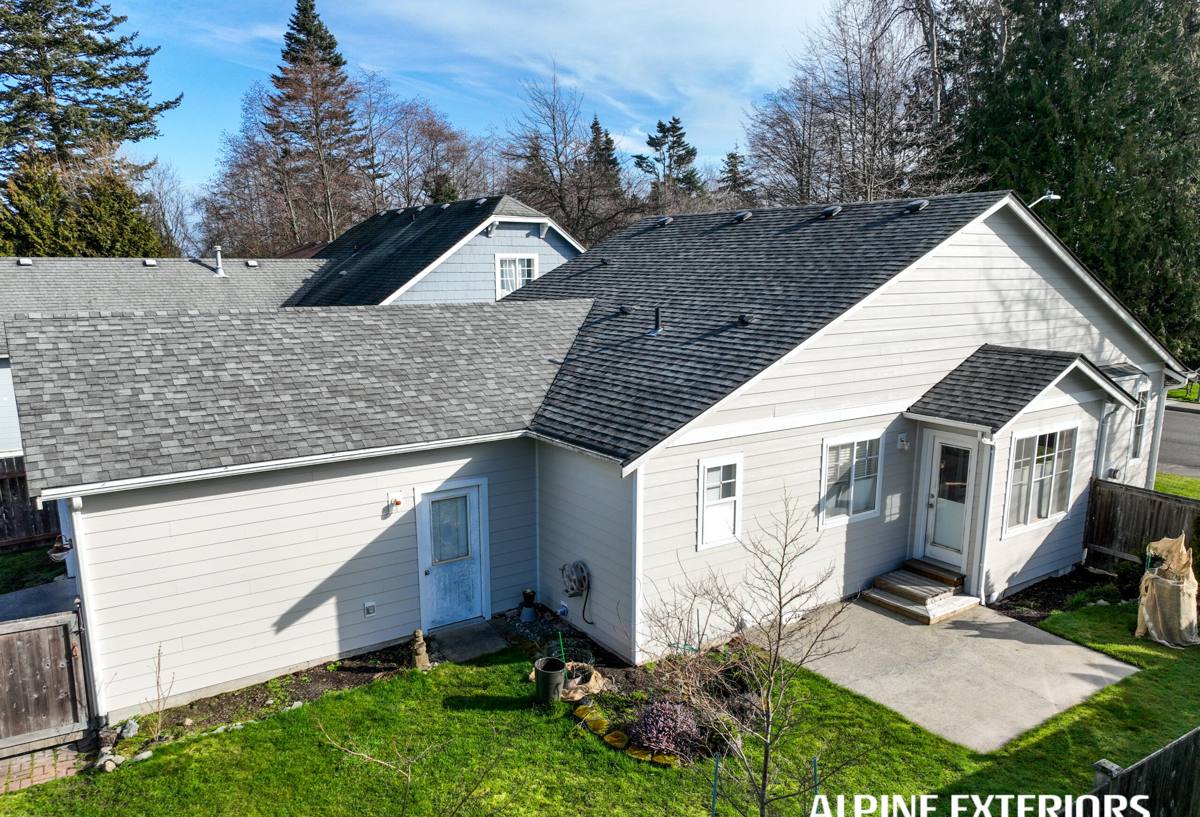
Mount Vernon sits in the heart of Skagit County, in the corridor of moisture-laden air that moves in off the Salish Sea and settles over the Skagit Valley for much of the year. That combination — driving rain through the fall and winter, humid air in the shoulder seasons, and long stretches of shade and dampness on north-facing slopes — is exactly the environment asphalt shingle roofs have to survive here. A shingle roof that would perform fine in a drier part of the state can wear out early in Mount Vernon if it wasn't installed with this climate in mind.
This page covers what an asphalt shingle roof actually needs to hold up in this area, what a correct installation or repair involves, and how we approach the work when we're on your roof. It's written for homeowners who want to understand the job, not just get a quote.
Why Local Climate Changes What "Correct" Means
Asphalt shingles are a proven, widely used roofing material almost everywhere in the country, including here. The material itself isn't the issue. What changes from region to region is how the roof system underneath and around the shingles is built — and in a place that sees as much sustained moisture as Skagit County, those details matter more than they would in a drier climate.
Rain Volume and Duration
It's not just how much rain falls here, it's how long roofs stay wet between storms. Underlayment, flashing, and edge details that are just "good enough" in a dry climate get tested constantly in a wet one, because there's less recovery time between weather events for a marginal detail to fail quietly.
Moss and Organic Growth
Shaded roof sections, north-facing slopes, and areas under overhanging trees stay damp longer, which is exactly what moss and algae need to take hold. Once moss establishes itself under shingle tabs, it holds moisture against the roof deck and can lift shingle edges over time, which is a maintenance issue worth planning for from day one rather than reacting to later.
Humidity and Attic Moisture
Damp regional air makes attic ventilation a bigger factor here than in dry climates. A shingle roof that isn't ventilated correctly can trap moisture underneath the deck, which shortens the life of the shingles from below even if the surface looks fine.
What a Correct Asphalt Shingle Installation Involves
A shingle roof is a system, not just a layer of material nailed to plywood. Each layer does a specific job, and skipping or shortcutting one layer undermines the whole system, especially in a wet climate.
Tear-Off and Deck Inspection
Old roofing has to come off down to the deck so the sheathing can actually be inspected, not guessed at. Soft, delaminated, or water-stained plywood needs to be identified and replaced before anything new goes down — covering over a compromised deck just hides a problem that will resurface.
Underlayment and Ice-and-Water Protection
A synthetic or felt underlayment goes down first as a secondary water barrier, and self-adhering ice-and-water membrane should be used at vulnerable points — eaves, valleys, around chimneys and skylights, and low-slope transitions — where water is most likely to back up or find a way in.
Flashing and Edge Details
Flashing around chimneys, vent pipes, skylights, and wall transitions is where most roof leaks actually start, not in the open field of shingles. Step flashing, counter-flashing, and properly lapped drip edge at the eaves and rakes are what keep wind-driven rain from working its way under the roofing material.
Shingle Layout and Fastening
Shingles need to be fastened according to the manufacturer's nailing pattern and exposure spec, not just "close enough." Correct nail placement and count directly affects wind resistance, which matters during the region's winter storm season.
Ventilation
Balanced intake (soffit) and exhaust (ridge or roof vents) ventilation lets the attic breathe, which controls moisture buildup under the deck and helps regulate temperature. This is one of the most commonly overlooked parts of a roofing job, and it's one of the most important ones in a humid climate.
Repair, Partial Replacement, or Full Replacement?
Not every roof problem in Mount Vernon means a full tear-off. The right call depends on the roof's age, how widespread the damage is, and whether the underlying deck and flashing are sound. We evaluate this honestly rather than defaulting to the most expensive option.
| Situation | Typical Approach | What to Watch For |
|---|---|---|
| Isolated leak, roof under 10-15 years old | Targeted repair — flashing, damaged shingles, or a failed penetration seal | Confirm the deck underneath wasn't compromised before patching |
| Scattered wear across an aging roof | Full replacement usually makes more sense than repeated repairs | Repair costs add up and don't fix system-wide age issues |
| Heavy moss coverage, roof structurally sound | Careful cleaning plus repair of any lifted or damaged shingles | Aggressive pressure washing can strip granules and shorten shingle life |
| Visible sagging, soft decking, or interior water stains | Full replacement with deck repair or replacement | These are structural signs, not cosmetic ones |
Choosing Shingles for This Climate
Asphalt shingles come in a range of grades, and the right choice depends on your roof's exposure, your budget, and how long you want to go before the next replacement. We'll walk through the realistic tradeoffs rather than steering you toward the most expensive option by default.
| Shingle Type | Relative Cost | Best Fit |
|---|---|---|
| 3-tab (standard) | Lower | Budget-conscious projects, simpler rooflines |
| Architectural / dimensional | Moderate | Most Mount Vernon homes — better wind rating and appearance |
| Algae-resistant (copper-infused granules) | Moderate to higher | Shaded roofs, north-facing slopes, homes with heavy tree cover |
| Premium / designer shingles | Higher | Homeowners prioritizing appearance and longer warranty coverage |
For most homes in this area, algae-resistant granules are worth the modest upgrade cost, simply because of how much shade and moisture the average Skagit County roof deals with over a year. It won't stop moss from ever appearing, but it slows the growth rate on the sections of your roof that stay damp longest.
Our Process, Start to Finish
- On-site inspection. We look at the roof surface, attic ventilation, decking condition where visible, and any trouble spots you've noticed — leaks, stains, missing shingles, sagging.
- Honest scope and estimate. You get a clear explanation of what's actually needed — repair versus replacement — and why, along with a written estimate before any work begins.
- Material selection. We help you weigh shingle grade, color, and warranty options against your budget and how the roof is exposed to sun, shade, and moisture.
- Tear-off and deck check. Old roofing comes off, the deck gets inspected, and any damaged sheathing is flagged and repaired before new material goes down.
- Installation. Underlayment, ice-and-water membrane at vulnerable areas, flashing, shingles, and ventilation components go in according to manufacturer specification.
- Cleanup and final walkthrough. Job site debris and nails are cleared, and we walk the finished roof with you before calling the job done.
Living With a Shingle Roof in Skagit County
A well-installed roof still benefits from basic seasonal attention in this climate. None of this requires a professional visit every time, but it's worth building into your routine as a homeowner.
- Keep gutters and downspouts clear so water isn't backing up under the eaves during heavy rain
- Trim back tree limbs that shade sections of the roof or drop debris onto it
- Watch for moss starting at shaded edges and valleys before it spreads across whole sections
- After major windstorms, do a visual check from the ground for lifted, missing, or displaced shingles
- Address small leaks or stains on interior ceilings promptly rather than waiting for them to spread
- Avoid pressure washing shingles yourself — it strips protective granules and can void manufacturer warranties
Why It Matters That We Already Work in Mount Vernon
A roofing crew that regularly works in this part of Skagit County has already seen how local conditions play out over years, not just at the moment of installation. That means knowing which roof orientations tend to hold moss longest, which flashing details tend to fail first under sustained regional rainfall, and how attic ventilation needs can differ between an older home and a newer build. It also means we're familiar with local permitting and code requirements without treating every job as unfamiliar territory.
It's also practical for you as a homeowner: a contractor who's an established, reachable presence in your area is easier to call back for warranty questions or a follow-up years down the line than an out-of-town crew that only shows up for one job.
Signs You Shouldn't Ignore
Some roof problems are obvious. Others are quiet until they aren't. If you're seeing any of the following, it's worth getting a professional look rather than waiting:
- Granules collecting in gutters or at the base of downspouts
- Shingles that look curled, cracked, or are missing outright
- Dark streaking or thick moss growth across sections of the roof
- Water stains on ceilings or upper interior walls
- Daylight visible through the roof deck from inside the attic
- A roof that's 20+ years old and hasn't had a professional inspection recently
If you're dealing with any of this, or you just want a straight answer on where your roof stands, we're happy to take a look. Fill out the form below for a free, no-pressure estimate — we'll tell you honestly what your roof needs, whether that's a repair, a full replacement, or nothing at all right now.