 Anacortes Window
 Windows Built for March Point's Exposure
March Point sits out on its own point of land along Fidalgo Bay, and that location comes with a specific kind of weather load that inland Anacortes homes don't deal with in the same way. Homes here catch wind off the water from multiple directions, take on salt-laden air, and sit through long stretches of damp, gray months where moisture has plenty of time to work into anything that isn't sealed correctly. Custom windows for this part of Skagit County aren't just a style choice — they're a functional response to where the house actually sits.
We work on March Point homes regularly, which means we already know what tends to go wrong out here and what actually holds up. That's different from showing up once for a bid and guessing at the exposure based on a quick walk-around.
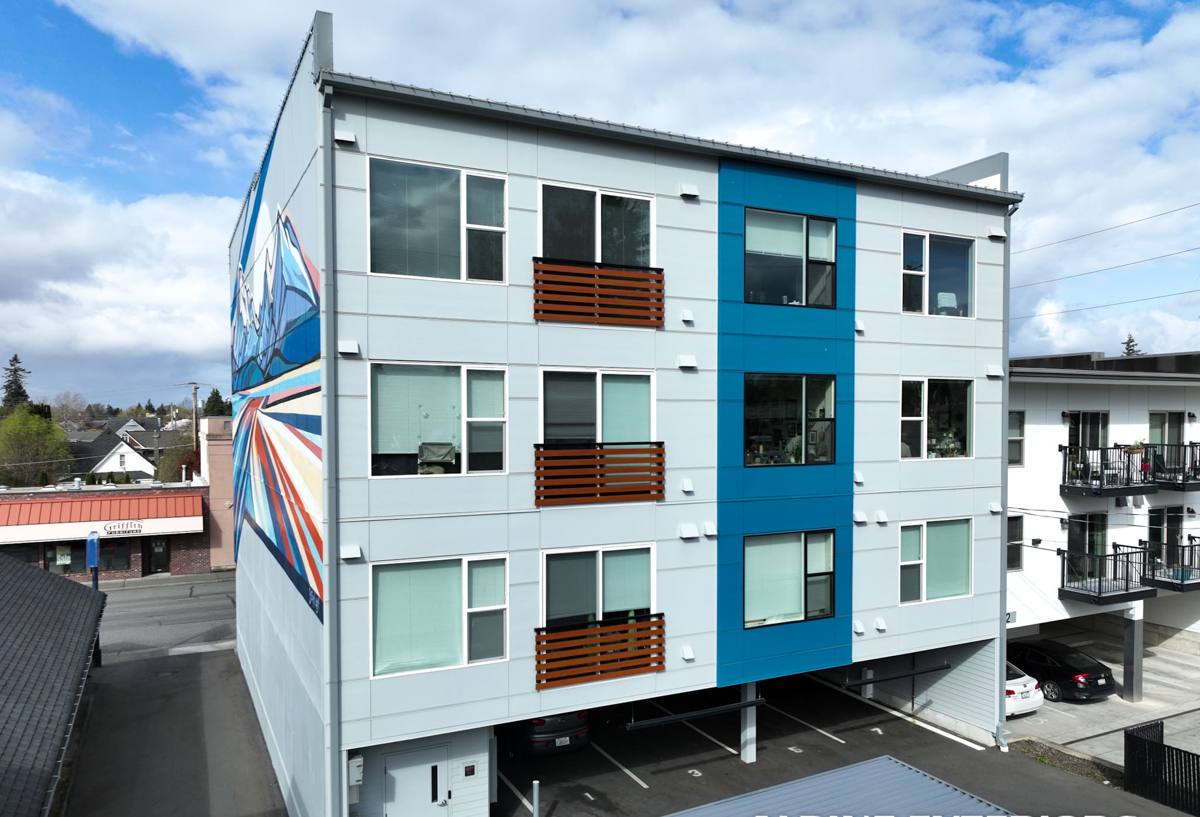
What "Custom" Actually Means for This Job
Custom windows doesn't mean fancy shapes or high-end trim packages, though it can include those. It means the window is specified and built to match the actual opening, the actual wall assembly, and the actual exposure of that specific house — instead of forcing a standard size to fit and patching the gaps.
Common reasons a March Point home needs custom sizing
- Older openings that were framed before modern standard sizes existed, especially in homes built in stages over the years
- Settling or slight frame movement common in older coastal construction, which changes an opening's true dimensions from top to bottom
- Water-facing walls where a slightly different sill detail or flashing approach is worth the extra planning
- Additions or remodels where the new opening doesn't match the original window line
When a window is custom-built to the real opening, the installer isn't fighting the gap with extra caulk and shims. That matters everywhere, but it matters more on a site that takes direct wind and rain off the water.
The Salt Air and Moss Season Problem
Two things wear on windows out here faster than in a lot of other places: salt in the air and the long wet season that lets moss and algae get a foothold on anything shaded or slow to dry.
Salt air
Salt-laden air accelerates corrosion on hardware, fasteners, and lower-grade metal components. It also degrades certain finishes faster than manufacturers' standard warranty testing assumes, since that testing is rarely done under coastal salt exposure conditions. We pay attention to hardware and finish specs for March Point jobs specifically because of this — a window that performs fine in a drier inland location can show pitting or finish failure years earlier out here.
Moss and prolonged dampness
Skagit County's wet season isn't just rain volume, it's duration — weeks where surfaces don't fully dry between storms. Any window with a poor drainage path, a flat sill, or trim that traps moisture becomes a spot for moss, algae, and eventually wood rot to start. Correct sill slope, weep paths, and drip caps aren't optional details on this kind of site; they're the difference between a window that sheds water and one that slowly stores it.
What a Correct Installation Involves
A lot of window problems people blame on the product are actually installation problems. The window itself might be a fine unit, but if the flashing sequence, sill pan, or sealant detailing wasn't done correctly, water finds its way in eventually — sometimes not for a year or two, which is part of why it gets misdiagnosed.
Steps we don't skip on driving-rain sites like this
- Remove the old window and fully inspect the rough opening for hidden rot or prior water damage before anything new goes in
- Install or verify a proper sill pan so any water that does get past the window has somewhere to go besides the wall cavity
- Flash in the correct shingle-lap sequence — building paper or house wrap, then flashing, layered so water sheds outward and down at every layer
- Set the window plumb, level, and square, then fasten per the manufacturer's specified pattern rather than "however many screws seemed enough"
- Seal and insulate the perimeter gap correctly — not overpacked, not left open, matched to the wall assembly
- Finish exterior trim and drip caps so water is directed away from the top and sides of the unit
None of this is unique to March Point, but the margin for error is smaller here. A flashing shortcut that might go unnoticed for a decade on a sheltered inland wall can show up as a stain or soft spot within a couple wet seasons on a water-facing wall out on the point.
Choosing Frame Material and Glass for This Exposure
| Factor | What to consider on March Point |
|---|---|
| Frame material | Vinyl and fiberglass generally handle salt air and moisture cycling with less corrosion risk than bare or lower-grade metal hardware |
| Hardware finish | Ask specifically about coastal or marine-rated hardware finishes rather than assuming standard finish is sufficient this close to the water |
| Glass package | Double-pane with a low-E coating is the practical baseline here; it helps with both heat loss and condensation control during long damp stretches |
| Sill design | A sloped sill with a clear drainage path matters more than color or trim style on water-facing elevations |
| Operating style | Casements seal tighter against driving wind-driven rain than sliders; worth weighing on the most exposed walls of the house |
None of these are exotic upgrades — they're standard options most manufacturers already offer. The point is asking for them specifically, rather than defaulting to whatever the standard spec sheet lists for a typical inland install.
Signs a March Point Home Needs Window Attention
- Fogging or persistent condensation between panes, which usually means a failed seal on an older insulated unit
- Soft or discolored trim or sill wood, especially on water-facing sides of the house
- Visible moss or algae buildup on sills or lower trim that keeps coming back after cleaning
- Drafts or a noticeable temperature difference near the window during windy weather
- Difficulty opening or latching, which can point to frame movement or swelling
- Corroded or stiff hardware that didn't used to stick
Any one of these on its own isn't necessarily urgent, but a few showing up together on the same window is usually a sign the unit or its installation has run its course.
Why Local Experience on This Site Matters
A contractor who mostly works inland jobs can still do fine work, but they're often specifying and installing based on assumptions that don't hold up on a water-exposed point. We've done enough work in and around March Point and the rest of Anacortes to know which details are worth the extra attention here — sill drainage, hardware finish, flashing sequence — versus where a standard approach is genuinely fine. That local pattern recognition is hard to replace with a one-time site visit, no matter how careful the estimator is.
It also means we're not learning the neighborhood's quirks on your project. We already know that a wall facing open water needs a different level of care than one tucked behind other structures, and we plan the job accordingly from the first walkthrough.
Our Process, Start to Finish
- On-site assessment — we look at each opening individually, check for existing rot or drainage issues, and note which elevations take the most weather
- Honest scope and options — we walk through frame material, glass, and hardware choices with the actual trade-offs, not just the upsell
- Custom measurement and ordering — units are built to the real opening, not a rounded-off standard size
- Careful removal — old windows come out without unnecessary damage to surrounding siding or trim
- Correct installation sequence — sill pan, flashing, fastening, insulation, and trim done in the right order, every time
- Final check — operation, seal, and finish reviewed with you before we call it done
Maintenance That Actually Extends the Life of the Job
Even a well-installed window benefits from a little seasonal attention out here. Rinsing salt residue off frames and hardware a few times a year, keeping sills clear of debris so water doesn't pool, and checking exterior caulk lines annually for cracking all go a long way toward getting the full service life out of the investment. None of it is complicated, but it's easy to skip when the weather's bad most of the year — which, ironically, is exactly when it matters most.
If you're weighing whether it's time to replace windows on your March Point home, or you just want a straight answer about what a specific opening or wall needs, we're happy to take a look. Estimates are free, there's no pressure, and you'll get a plain explanation of what we'd actually recommend and why — use the form below to get started.