 Anacortes Window
 Roofing in La Conner's Marine Climate
La Conner sits low and open along the Skagit County shoreline, which means roofs here take on a different kind of punishment than roofs twenty miles inland. Salt-laden air off the water works on exposed metal and fasteners year-round. Winter storms bring driving rain that hits siding and roof edges nearly sideways instead of straight down. And because the region rarely gets a hard, dry freeze, moss and algae have a long growing season that can stretch eight months or more. None of that means asphalt shingles are the wrong choice for a La Conner home. It means the installation has to be done with this climate in mind, not a generic one.
Most of the asphalt roof failures we get called out to inspect in this area are not material failures. They are workmanship shortcuts — underlayment skipped in the wrong places, ventilation left undersized, flashing detailed for a drier climate. A correctly installed asphalt shingle roof holds up well here. A roof installed without regard for salt air, moss, and wind-driven rain will show problems years before it should.
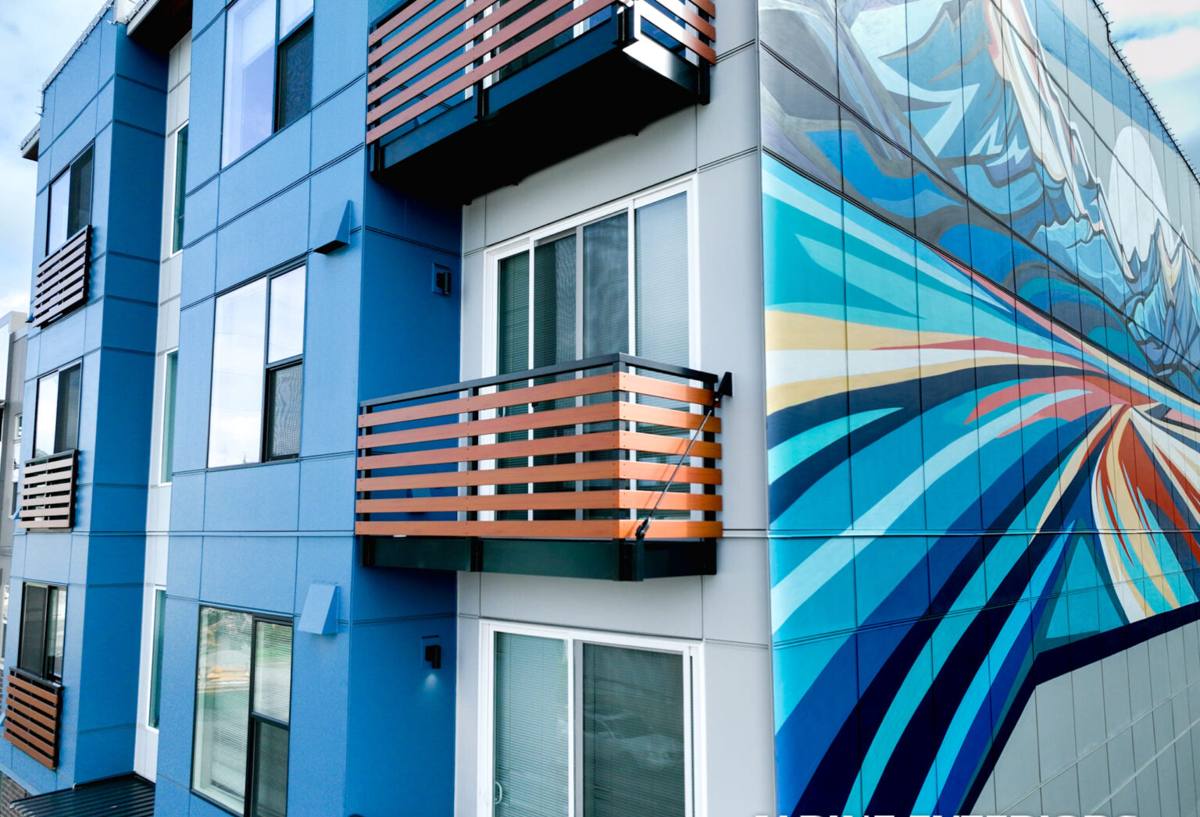
Why Asphalt Shingles Still Make Sense for La Conner Homes
Asphalt shingle roofing remains the most practical option for the large majority of homes in and around La Conner, and for good reason. It offers a wide range of colors and profiles that suit everything from older farmhouses to newer builds, it's repairable in sections rather than requiring a full tear-off when isolated damage occurs, and — when specified and installed correctly for a marine climate — it has a solid track record in Skagit County. The tradeoff homeowners should understand up front is that "asphalt shingles" is not one product. The difference between a bargain 3-tab shingle and a properly rated architectural shingle shows up directly in how the roof performs against wind, rain, and moss over its lifespan.
What a Correct Asphalt Shingle Installation Actually Involves
Tear-Off and Deck Inspection
A proper job starts with a full tear-off down to the deck, not an overlay on top of existing shingles. Overlaying traps moisture, hides deck rot, and voids most manufacturer warranties. Once the old roofing is off, the deck gets inspected board by board. Any soft, delaminated, or water-stained sheathing gets replaced before anything new goes down — this is one of the most common places corners get cut, and it's the one that causes the most expensive problems later.
Underlayment and Ice-and-Water Shield
Synthetic underlayment covers the full deck as the primary water barrier beneath the shingles. In vulnerable areas — eaves, valleys, around chimneys and skylights, and low-slope transitions — a self-adhering ice-and-water membrane goes down first. In a climate with as much sustained wind-driven rain as La Conner sees, these details matter more than the shingle brand printed on the wrapper.
Ventilation
A roof that can't breathe traps heat and moisture in the attic, which shortens shingle life from underneath and encourages condensation that feeds mold and rot. Balanced intake at the eaves and exhaust at the ridge keeps air moving. This is frequently undersized or ignored entirely on older homes that have never had it corrected during a re-roof.
Flashing Details
Flashing around chimneys, skylights, sidewalls, and roof-to-wall transitions is where the majority of leaks actually start — not in the field of the shingles themselves. In a salt-air environment, the metal used for flashing and fasteners needs to resist corrosion, not just look right on installation day.
Shingle Installation and Nailing
Shingles are installed to the manufacturer's nailing pattern and exposure spec, with correct nail placement, count, and depth — not overdriven, not underdriven, not high-nailed. This is what the wind rating on the shingle package is actually promising, and it's only valid if the installation matches the spec.
Moss, Algae, and Salt Air: The Three Things That Age a La Conner Roof Early
These three factors do most of the damage to roofs in this part of Skagit County, and each one calls for a different response:
- Moss takes root in the granule surface of shingles, especially on north-facing and shaded slopes. As it grows, it lifts shingle edges and holds moisture against the deck, which accelerates rot underneath even before the shingles look obviously damaged.
- Algae streaking is mostly cosmetic — the dark stains homeowners notice on older roofs — but it's also a sign that the roof surface stays damp longer than it should, which shortens shingle life over time.
- Salt air corrodes lower-grade metal flashing, fasteners, and vent components years before they'd wear out in a drier inland climate. This is the one most homeowners never think about until a fastener fails.
The response to all three starts at installation: algae-resistant shingles, corrosion-resistant flashing and fastener metal, and a deck and ventilation setup that doesn't give moisture anywhere to sit. After that, it's ongoing maintenance — never pressure washing a shingle roof, since it strips granules and shortens shingle life faster than moss ever would.
Choosing the Right Shingle for This Climate
Not every shingle tier is worth the same thing in a marine climate. Here's how the common tiers compare for a home in the La Conner area:
| Shingle Tier | Wind Rating | Algae Resistance | Typical Lifespan Here | Best Fit |
|---|---|---|---|---|
| 3-Tab (Economy) | Lower | Often none or minimal | Shorter, especially on exposed slopes | Budget-limited projects on sheltered roofs |
| Architectural / Dimensional | Higher, better for open exposure | Usually available as an upgrade option | Solid, especially with correct install | The realistic standard for most La Conner homes |
| Premium / Designer | Highest available in asphalt | Built-in on most product lines | Longest of the asphalt options | Homes with heavy wind exposure or higher-end curb appeal goals |
For most homes here, an architectural shingle rated for higher wind exposure and built with algae-resistant granules is the practical middle ground — it costs more than 3-tab up front but is the tier that actually accounts for what this climate does to a roof.
Our Process, Start to Finish
- Roof and attic walk-through — we get on the roof and into the attic, not just a look from the driveway, to check deck condition, ventilation, and flashing before quoting anything.
- Written estimate — scope of work, materials specified, and warranty terms in writing, no verbal-only promises.
- Staging and protection — landscaping, walkways, and siding get protected before tear-off begins.
- Tear-off and same-day dry-in — we don't leave a deck exposed to Skagit County weather overnight if it can be avoided.
- Installation to manufacturer spec — underlayment, flashing, ventilation, and shingles installed as detailed above.
- Final walk-through and cleanup — including a magnetic sweep for stray nails and a review of the finished work with the homeowner before we consider the job done.
What Affects the Cost of a La Conner Roof Replacement
| Factor | Why It Matters |
|---|---|
| Roof pitch and steepness | Steeper roofs take longer and require more safety setup, which affects labor |
| Layers to remove | Multiple existing layers add tear-off time and disposal cost |
| Deck repair extent | Rotted or soft sheathing found during tear-off adds material and labor |
| Roof complexity | Valleys, dormers, and chimneys add flashing detail and time |
| Shingle tier selected | Economy, architectural, and premium shingles carry different material costs |
| Site accessibility | Tight lots or difficult staging can affect equipment and labor time |
Exact numbers depend on the roof itself, which is why an honest estimate requires an actual walk-through rather than a phone quote.
Maintenance and Warranty: What Homeowners Should Expect
A shingle roof carries two separate warranties, and it's worth understanding the difference: the manufacturer's material warranty covers defects in the shingle itself, while a workmanship warranty from the installing contractor covers the installation. A material defect and a flashing leak are two different problems with two different warranties behind them, and a reputable contractor will be upfront about which one applies to what.
After installation, the maintenance that actually extends a roof's life in this climate is simple: keep gutters clear so water isn't backing up under the eaves, have the roof looked at after the worst of moss season rather than waiting for a visible leak, and avoid pressure washing or harsh chemical treatments that strip granules. Small problems caught early — a lifted shingle tab, a gap in flashing sealant — are inexpensive to fix. Left alone through another wet Skagit County winter, they turn into deck damage.
Why It Matters to Hire a Crew That Already Works in La Conner
A roofing crew that regularly works this part of Skagit County already knows things a crew from outside the area has to learn on your roof. That includes which fastener and flashing metals actually hold up against sustained salt air rather than just looking right on install day, how open exposure on flatter, less tree-sheltered lots changes wind loading compared to more sheltered inland properties, and what permitting and inspection expectations look like locally. It also means faster access to materials and a crew that isn't guessing at how this specific climate treats a roof over ten or twenty years — they've already seen it.
Questions to Ask Before You Hire
- Is the deck inspected and repaired as needed, not just covered over?
- Is a full tear-off included, or is this an overlay?
- What underlayment and ice-and-water shield are specified, and where?
- Is attic ventilation being addressed as part of the job, or left as-is?
- What flashing material is being used, and is it rated for a marine environment?
- What does the written estimate say about warranty — both material and workmanship?
- Is the contractor licensed and insured to work in Skagit County?
If you're weighing a repair against a full replacement, or just want an honest read on how much life is left in your current roof, we're happy to take a look. Use the form below to request a free, no-pressure estimate for your La Conner home.