 Anacortes Window
 Guemes Island Puts Ordinary Siding to the Test
Guemes Island sits out in the Salish Sea, reachable only by a short ferry hop from Anacortes, and that isolation is part of what makes it a great place to live — and a hard place to keep a house's exterior looking good. Homes here take a steady combination of salt-laden air off the water, wind-driven rain that finds every gap in a wall system, and a long, damp shoulder season that lets moss and algae get a foothold on anything that stays wet. Add in the fact that a repair crew can't just swing by on a whim — it takes ferry timing — and it becomes clear why the siding choice on a Guemes Island home matters more than it might on a house twenty miles inland.
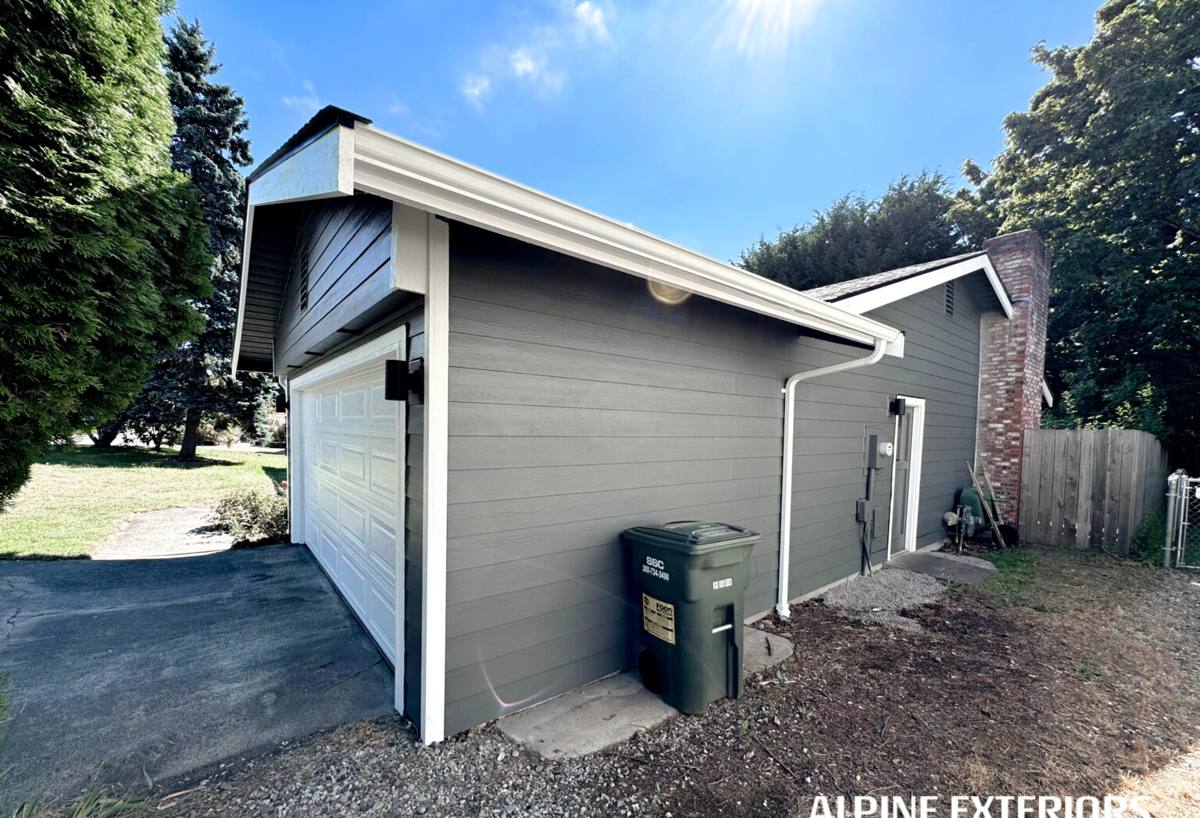
This page is about one job: installing James Hardie fiber cement siding on Guemes Island homes, and doing it in a way that actually holds up to what this specific spot on Skagit County's coastline throws at a building.
What the Local Climate Actually Does to a Wall
Salt Air and Metal Fatigue
Marine air carries fine salt that settles on every exterior surface. Over years, it accelerates corrosion on anything metal — fasteners, flashing, trim edges — long before the siding material itself would ever fail. A siding job that looks fine on day one can start showing rust streaks and staining within a few seasons if the wrong hardware went into the wall.
Driving Rain, Not Just Rain
Anacortes and the surrounding islands don't just get rain — they get rain pushed sideways by wind coming off open water. That means water pressure against the wall assembly is higher than in a sheltered inland lot, and any weak point in the water-management layer (not just the siding face) gets tested repeatedly every winter.
Moss Season
Shaded, north-facing, and tree-covered walls on Guemes Island can stay damp for weeks at a stretch during the fall-through-spring stretch. Organic siding materials — wood, and to a lesser degree wood-based composites — give moss and algae something to grow into. Once established, that growth holds moisture against the wall and speeds up whatever decay process is already underway underneath.
Why We Only Install James Hardie Here
We standardized on James Hardie fiber cement for every job we do, and on an island exposed the way Guemes is, the reasoning is even more direct. Fiber cement is not an organic material — moss and algae can grow on its surface the same as they can on any exterior finish, but they can't feed on it or root into it the way they can with wood. It won't rot, it won't delaminate from trapped moisture, and it's non-combustible, which matters given how dependent island properties can be on defensible space and slower emergency response times.
James Hardie's ColorPlus factory finish is baked on in a controlled environment rather than field-applied, which gives it better adhesion and fade resistance than job-site paint — useful anywhere, but especially useful somewhere that a repaint means scheduling a crew, a ferry reservation, and good weather all at once.
The HZ5 Product Line
James Hardie engineers its siding to different climate zones under its "HZ" (Hardie Zone) system. Western Washington, including Skagit County and the islands, falls into the HZ5 zone — the formulation and engineering account for a wet, moderate-temperature marine climate rather than a dry or freeze-heavy one. That's not marketing language; it affects how the product is manufactured and how it performs against moisture over the long run.
| Factor | James Hardie Fiber Cement | Wood / Cedar | Vinyl |
|---|---|---|---|
| Moss/algae resistance | Won't feed organic growth; surface can be cleaned | Vulnerable, especially on shaded walls | Resists growth but traps moisture behind panels if compromised |
| Salt air / corrosion exposure | Material itself unaffected; hardware selection still matters | Fasteners and finish both vulnerable | Low material corrosion, but seams and fasteners still a concern |
| Fire exposure | Non-combustible | Combustible | Can deform/melt under heat |
| Finish longevity | Factory-baked ColorPlus finish | Field-applied stain/paint, shorter cycle | Color molded in, but limited repair/refinish options |
| Island logistics | Ferry-friendly staging, long product life reduces repeat trips | Higher maintenance visits needed | Lower material cost, less repair flexibility |
What a Correct Installation Involves
The siding panel is only one layer of a wall system. On a site exposed to driving rain like Guemes Island, the layers behind the siding matter just as much as the Hardie board itself.
Drainage Plane and Rainscreen Gap
A water-resistive barrier goes on the sheathing first, and on exposed walls we install furring to create a rainscreen gap behind the siding. That gap lets any water that does get past the siding drain and dry out instead of sitting against the wall assembly — a detail that matters more here than in a sheltered inland neighborhood.
Flashing at Every Penetration
Windows, doors, hose bibs, vents, and deck ledgers all need proper flashing integrated with the water-resistive barrier — installed in the correct shingle-lap order so water is always directed outward and down. This is the single most common place a siding job fails, and it has nothing to do with the siding brand.
Fastener and Hardware Selection
Given the salt air exposure, we use corrosion-resistant fasteners rated for the job rather than whatever is cheapest. The same goes for flashing metal and trim hardware — stainless or coated components cost more up front but they're the difference between trim that looks the same in ten years and trim that's streaked with rust in three.
Caulking and Joint Treatment
James Hardie's installation specs call for specific joint and butt-seam treatment. Skipping or shortcutting this is one of the most common ways a Hardie installation underperforms — the board itself is fine, but a poorly sealed joint lets water behind it anyway.
Working on Guemes Island: The Practical Side
Being an island doesn't change the siding — it changes the planning. Material has to be ordered and staged ahead of time rather than picked up mid-job, because a forgotten piece of trim means waiting on the next ferry slot, not a quick drive to a supply house. We schedule crew time around ferry departures so a work day isn't cut short waiting on a boat, and we plan deliveries so a full crew isn't standing around waiting on material that missed a sailing.
This is also where hiring a crew that already works Guemes Island regularly pays off. A contractor unfamiliar with the ferry schedule, the limited on-island staging space, or the realities of getting a follow-up warranty visit scheduled will either underbid the logistics or pass the cost of learning it on to you. A crew with island experience builds that into the plan from day one, so there are no surprise delays or change orders tied to logistics nobody accounted for.
Our Process for a Guemes Island Siding Job
- On-site assessment: we walk the exterior, check current siding and trim condition, and look specifically at moisture-prone areas — shaded walls, ground-contact points, and any existing rot or staining.
- Materials and logistics plan: full material takeoff done before crew mobilization, with delivery and ferry scheduling built in so the job doesn't stall mid-week.
- Water-management prep: water-resistive barrier, rainscreen furring, and flashing installed and inspected before a single piece of Hardie board goes up.
- Siding installation: panels, fasteners, and joint treatment installed to James Hardie's published specifications for the HZ5 zone.
- Final walk-through: we review trim, caulking, and finish with you before calling the job complete.
Maintaining Hardie Siding on Guemes Island
- Rinse shaded and north-facing walls periodically to discourage moss and algae buildup before it takes hold.
- Keep gutters and downspouts clear so runoff isn't sheeting down wall sections during heavy rain events.
- Trim back vegetation and tree cover that keeps a wall section damp longer than the rest of the house.
- Inspect caulking at trim joints and penetrations every year or two — caulk is the maintenance item, not the siding itself.
- Watch for any rust staining at fastener heads or flashing edges, an early sign hardware needs attention.
What This Costs to Get Right
Every Guemes Island home is a different size, shape, and level of existing wall damage, so we won't quote a number without seeing the house. What we can say honestly: the cost difference between a correctly detailed installation (rainscreen, proper flashing, corrosion-resistant hardware) and a stripped-down one is real, but it's small compared to the cost of redoing a wall assembly that failed from trapped moisture in eight years instead of lasting decades. On an island where a repair crew is a ferry ride away, that gap matters more than it would elsewhere.
If you're weighing a siding project on Guemes Island, we're glad to come take a look, walk the exterior with you, and put together a straightforward, no-pressure estimate — ferry logistics and all, already factored in. Use the form below to get started.