 Anacortes Window
 Old Town Anacortes Puts Windows Through a Lot
Old Town Anacortes sits close to the water, which means its homes catch more of what Skagit County's marine climate has to offer than houses further inland. Salt-laden air off Fidalgo Bay and the surrounding straits works on aluminum and steel hardware year-round, not just during storms. Driving rain off the water finds any gap in a window's seal, and the long gray stretch from fall through spring keeps moss and algae established on north-facing walls and sills for months at a time. None of this is dramatic on its own, but stacked together over twenty or thirty years, it's exactly the kind of slow wear that leaves a homeowner wondering why their windows suddenly feel drafty, foggy, or stuck.
A lot of the housing stock in this part of Anacortes is older, with plenty of homes built well before modern window technology existed. That's part of the neighborhood's charm, but it also means many original windows are single-pane, wood-framed, and were never designed to handle the moisture load a waterfront-adjacent home sees today. Replacing them correctly means understanding both the age of the house and the specific conditions this stretch of Anacortes deals with.
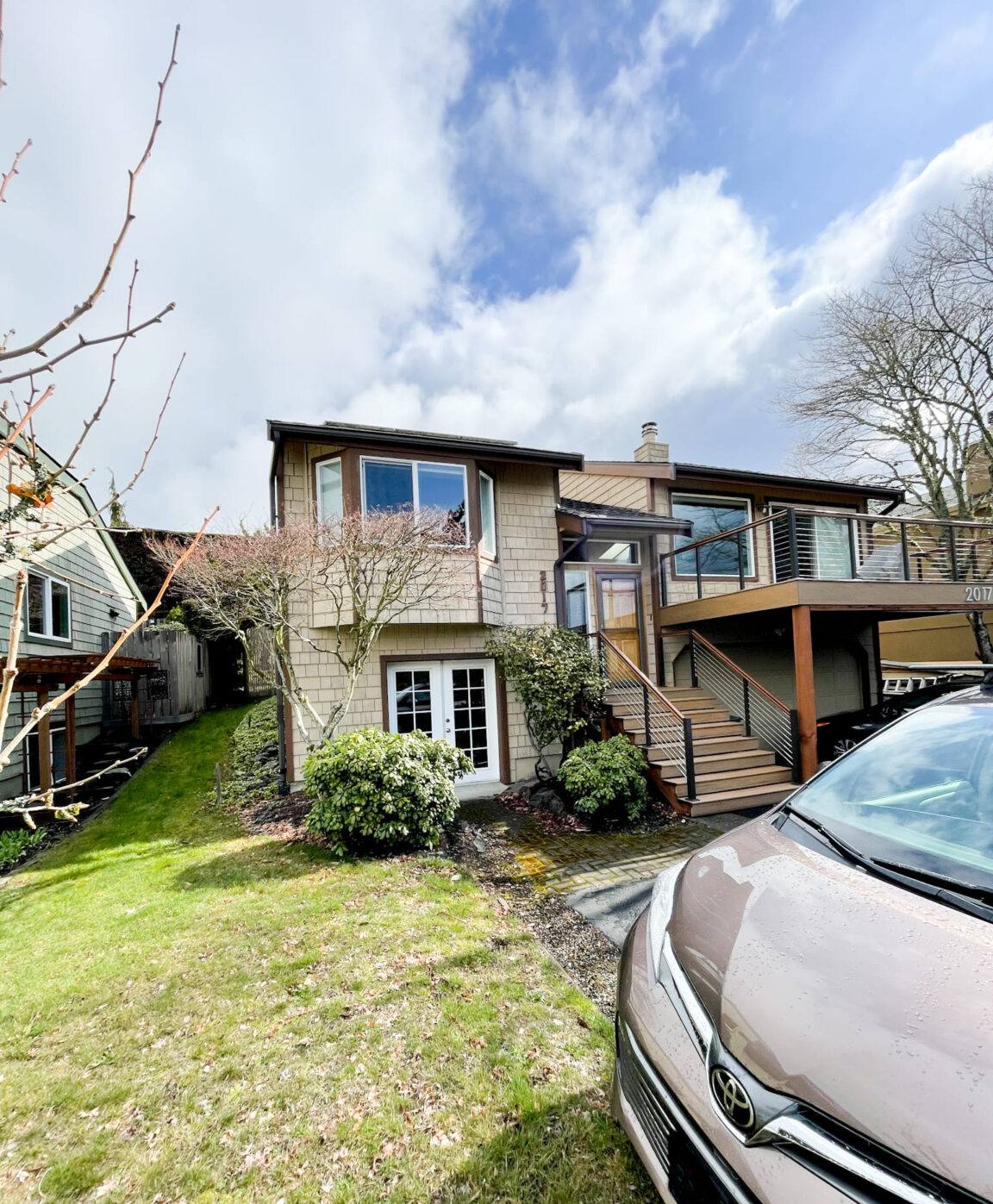
How Salt Air, Rain, and Moss Actually Damage Windows
It helps to know what's actually happening before you decide what to replace and with what.
Salt Air
Airborne salt is mildly corrosive and settles on any exposed metal — window hardware, screen frames, and older aluminum sashes. Over time it pits finishes and can seize hinges, locks, and balance mechanisms, which is often why an old window becomes hard to open long before the glass itself fails.
Driving Rain
Wind-driven rain doesn't just fall straight down — it gets pushed sideways into any seam, gap, or aging caulk line. On older windows, this shows up as water staining below the sill, soft wood at the corners of the frame, or moisture between panes on double-glazed units whose seal has failed.
Moss and Algae Season
Anacortes gets a long wet season, and shaded or north-facing walls stay damp for extended stretches. Moss and algae take hold on wood trim and sills that don't get much sun or airflow, holding moisture against the wood and accelerating rot in exactly the areas that are hardest to inspect from the ground.
Signs an Old Town Home Actually Needs Replacement
Not every issue means a full window replacement. Some problems are cosmetic or fixable with maintenance. Others mean the window has reached the end of its useful life. A quick self-check before calling anyone:
- Visible fog or moisture trapped between panes of glass (a failed seal — not fixable, only replaceable)
- Soft, spongy, or discolored wood at the sill or lower corners of the frame
- Windows that won't stay open, won't latch, or need force to operate
- Cold drafts near the frame even when the window is fully closed and locked
- Paint that keeps failing on the sill no matter how often it's touched up
- Visible daylight or gaps around the frame from outside
- A noticeable jump in heating costs without any other explanation
- Moss or algae growth on the sill or trim that keeps coming back after cleaning
If you're seeing two or more of these on the same window, it's usually past the point where caulk and weatherstripping will solve the problem.
What a Correct Job Involves
Window replacement sounds simple — old window out, new window in — but the details are where a job either holds up for decades or starts failing again in five years. A correct install in this climate covers a few things every time, regardless of brand or budget.
Full Inspection of the Rough Opening
Before a new window goes in, the opening around it needs to be checked for hidden rot, especially on older Old Town homes where the original window may have been leaking slowly for years. Installing a new window into a compromised opening just hides a problem instead of fixing it.
Proper Flashing and Water Management
Given how much wind-driven rain this area sees, flashing details at the head, jambs, and sill matter more here than in a drier inland climate. Water needs a clear path to shed away from the wall assembly, not just away from the glass.
Sealing That Matches the Exposure
Sealants and backer rod need to be sized and applied correctly for the gap, not just caulked over the surface. A bead of caulk smeared over a bad seal looks fine for a season and fails the next winter.
Hardware Suited to Marine Air
Locks, hinges, and balance systems should be rated for coastal or marine exposure where practical. It costs little more up front and avoids the seized-hardware problem that plagues a lot of older windows in this neighborhood.
Retrofit vs. Full-Frame Replacement
One of the first decisions on any project is whether the new window can go into the existing frame (a retrofit, sometimes called a "pocket" replacement) or whether the old frame needs to come out entirely (full-frame replacement).
| Approach | Best For | Trade-offs |
|---|---|---|
| Retrofit (insert into existing frame) | Existing frame is still structurally sound and square | Faster, less disruptive, but any hidden rot in the old frame stays hidden |
| Full-frame replacement | Frame shows rot, is out of square, or the wall needs repair anyway | More labor and cost, but lets us fully inspect and correct the opening, flashing, and sealing |
On older Old Town homes, we won't know for certain which approach fits until we can see the actual condition of the frame. A house that's been well maintained might be a straightforward retrofit; one with a history of water intrusion often needs the full-frame approach to actually solve the problem instead of covering it up.
Choosing the Right Frame Material
There's no single "best" window material — it depends on the home's age, exposure, and what the homeowner wants to maintain long-term.
| Material | How It Handles This Climate | Maintenance |
|---|---|---|
| Vinyl | Doesn't corrode or rot; handles salt air and rain well | Low — occasional cleaning, no painting |
| Fiberglass | Very stable in temperature swings and moisture, holds paint well if a specific color is wanted | Low to moderate |
| Wood | Classic look that suits older Old Town homes, but the most vulnerable to the rain and moss exposure this area sees | High — regular painting/sealing needed to keep water out |
| Wood-clad (wood interior, metal or vinyl exterior shell) | Protects the exterior-facing wood from weather while keeping a traditional interior look | Moderate — exterior shell reduces upkeep versus solid wood |
For homes where matching the historic character of the neighborhood matters, wood-clad options often give the closest look to original wood windows without taking on the full maintenance burden solid wood requires in a wet marine climate. We'll walk through the honest trade-offs for your specific house rather than pushing one material for every job.
Keeping the Look of an Older Home
A lot of what makes Old Town Anacortes worth living in is its older character — homes with proportions, trim details, and window sightlines that newer construction doesn't replicate. When we replace windows here, matching the visual profile of the original (sightlines, grille pattern, exterior trim) is part of doing the job right, not an afterthought. That's a different conversation than a straightforward tract-home replacement, and it's worth having before any window gets ordered.
What Affects the Cost
Every home is different, but the same handful of factors drive most of the cost variation we see on Old Town Anacortes projects.
| Factor | Why It Matters |
|---|---|
| Retrofit vs. full-frame | Full-frame involves more labor, siding/trim repair, and disposal |
| Frame material | Vinyl is typically the most budget-friendly; wood and wood-clad cost more |
| Glass package | Double-pane vs. triple-pane, low-E coatings, and gas fill options all affect price |
| Hidden rot or damage | Discovered during removal, this adds repair scope before the new window can go in |
| Number and size of openings | Larger or custom-sized windows cost more than standard sizes |
| Access and site conditions | Second-story windows, tight lot lines, or landscaping can add labor time |
We won't know the real number for your house until we've actually looked at the openings. Anyone quoting a firm price sight-unseen is guessing.
Our Process for a Job Like This
- On-site assessment — we look at each window from inside and out, check the condition of the frame and sill, and talk through what you actually want out of the replacement (comfort, appearance, lower maintenance, or all three).
- Honest recommendation — retrofit or full-frame, material options, and a clear explanation of why, based on what we actually found rather than a standard upsell.
- Written estimate — a scope and price you can review without pressure to decide on the spot.
- Install — proper removal, inspection of the opening, correct flashing and sealing, and cleanup at the end of each day.
- Walkthrough — we go over the finished work with you before calling the job done.
Why It Matters That We Already Work in Old Town Anacortes
A crew that regularly works this part of Anacortes already knows the general age range of the housing stock, the kind of wear that shows up on homes this close to the water, and what it takes to keep a window performing through a full Skagit County winter — not just how it looks on installation day. That familiarity shortens the assessment, avoids guesswork on materials, and means fewer surprises once the walls are opened up. It also means we're not learning on your house how this neighborhood's climate treats a window over time.
After the Install: What Keeps Windows Lasting
New windows still need a little upkeep, especially in this climate. A few habits go a long way:
- Rinse salt residue off exterior hardware and frames a few times a year, especially after storms
- Keep sills and trim clear of moss and debris so they can dry between rain events
- Check and re-lubricate hardware annually if it starts to feel stiff
- Inspect exterior caulk lines each fall before the wet season sets in and touch up any gaps
- Trim back vegetation that keeps a wall shaded and damp for long stretches
None of this takes much time, but it's the difference between a window that looks and performs well for its full lifespan and one that starts showing the same problems as the old one a decade early.
If your windows in Old Town Anacortes are drafty, fogged, sticking, or just showing their age, we're happy to take a look and give you a straight answer about what's actually needed — no pressure, no obligation. Use the form below to request a free estimate.