 Anacortes Window
 Decking Near the Water Takes a Different Kind of Beating
Flounder Bay sits close enough to the water that homes here deal with a combination most inland Skagit County properties don't: salt-laden air, wind-driven rain that finds its way into places a calmer climate never would, and a shoulder season where moss and algae get a real foothold on anything that stays damp and shaded. A deck built to a generic national spec often looks fine the first year and starts showing problems by year three or four — fastener corrosion, soft spots at the ledger, green film on the shaded side that never quite scrubs off. Composite decking, installed correctly for this specific environment, is one of the more reliable ways to get out ahead of all three problems at once.
This page is about that one job — composite deck installation for homes in the Flounder Bay area — not composite decking in general. The material matters, but so does how it's framed, fastened, and drained, and that's where a lot of decks in marine climates go wrong.
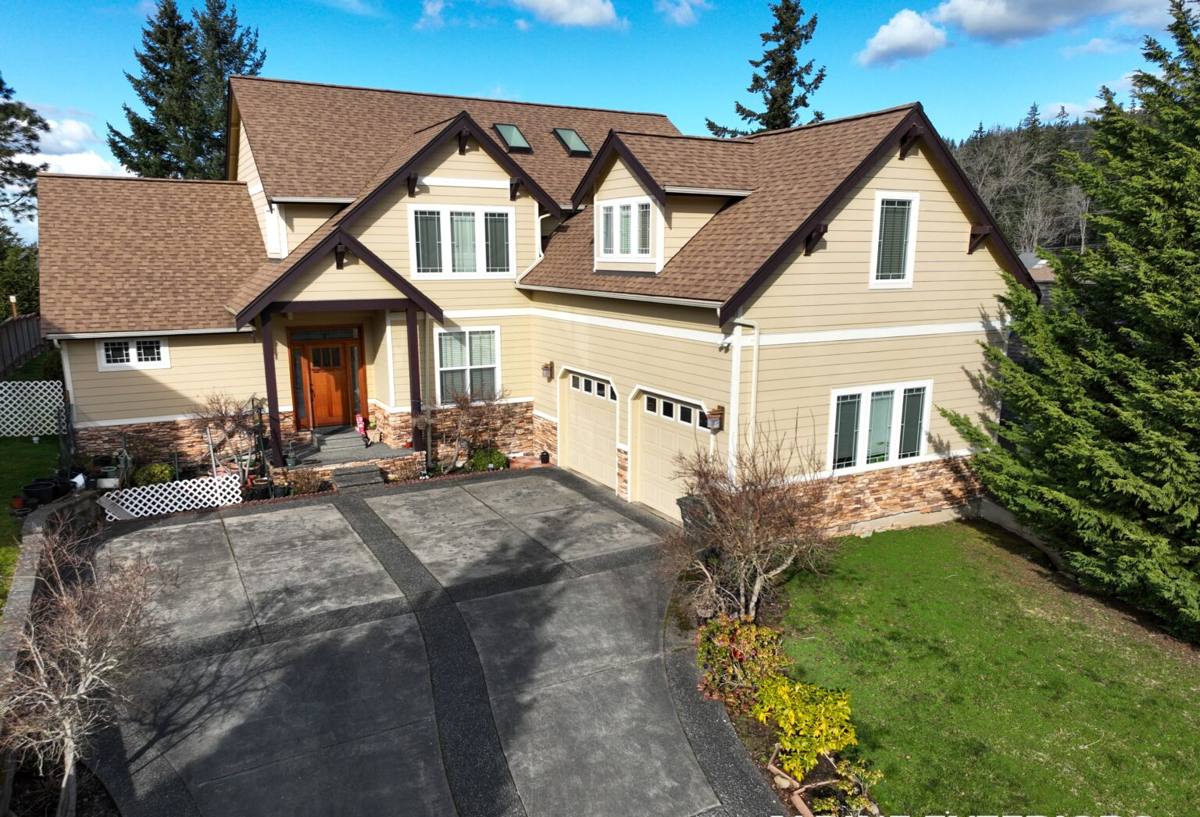
What Flounder Bay's Climate Actually Does to a Deck
Salt Air and Metal Fasteners
Proximity to saltwater accelerates corrosion on anything metal — screws, joist hangers, structural brackets. On a standard wood deck, that shows up as rust streaking down the boards and, eventually, fasteners that back out or shear. Composite boards themselves don't corrode, but every deck still has a metal substructure underneath, and that's where salt exposure does its damage if the wrong hardware was used or if it wasn't sealed properly at the connections.
Driving Rain and Water Intrusion
Anacortes doesn't get the heaviest rainfall in the state, but wind off the water pushes rain sideways into ledger boards, rim joists, and any gap where flashing was skipped. Composite decking sheds surface water well, but if the framing underneath isn't flashed and sloped correctly, water gets trapped between the deck and the house — which is exactly where rot and mold take hold, unseen, for years.
Moss and Algae in the Shoulder Seasons
Shaded decks, north-facing decks, and decks under tree cover hold moisture longer through the fall and winter. That damp-and-shade combination is exactly what moss and algae need. Composite boards with a smooth, non-capped surface can actually be worse for this than a properly capped board, because the wood-based core stays slightly porous and gives organic growth something to grip.
Choosing the Right Composite for This Environment
Capped vs. Uncapped Composite
Capped composite boards have a polymer shell wrapped around a wood-fiber core, which blocks most moisture absorption and gives algae and moss far less to attach to. Uncapped or early-generation composite is cheaper but absorbs more moisture at the surface and along cut ends, which matters a lot in a climate that stays damp for months at a stretch. For a deck in Flounder Bay, we default to fully capped boards, capped on all four sides where the manufacturer offers it — not just the top and face.
Board Profile and Color
Darker boards show less green staining visually but run hotter in direct sun and can highlight surface debris. Lighter and mid-tone colors tend to hide pollen, needle litter, and light moss discoloration better on shaded lots, which is common close to the water where tree cover and fog keep decks from drying out quickly. This is a judgment call based on your specific lot's sun exposure, not a one-size answer.
Grooved vs. Solid Edge Boards
Grooved-edge boards paired with hidden fastener clips give a cleaner look and no exposed screw heads to corrode or stain, but the grooves themselves can trap grit and organic debris if the deck doesn't get an occasional rinse. Solid-edge, face-screwed boards are more forgiving in that regard but show fastener lines. Both work in this climate — the choice comes down to maintenance habits and appearance preference.
Where Coastal Decks Actually Fail: The Substructure
Almost every early composite deck failure we see traces back to the framing and fasteners, not the decking material itself. This is the part of the job that doesn't show up in a photo but determines whether the deck is still solid in fifteen years.
Fasteners and Hardware
In a salt-air environment, standard galvanized hardware corrodes faster than its rated life. We use stainless steel or heavy-duty coated fasteners rated for coastal or ACQ-treated lumber contact at every structural connection — ledger bolts, joist hangers, post bases — not just at the decking surface.
Ledger Flashing and Water Management
The ledger board, where the deck attaches to the house, is the single most common source of hidden water damage. Correct flashing — including a drip edge that directs water away from the house rather than behind the siding — is non-negotiable here, especially with wind-driven rain coming off the water.
Joist Spacing and Deflection
Composite boards generally need tighter joist spacing than solid wood to avoid flexing and long-term sagging — most manufacturers call for 16 inches on center, and closer on diagonal or picture-frame patterns. Skipping this to save a few joists is one of the most common corner-cuts we see on decks that weren't built by someone who installs composite regularly.
Our Installation Process
The steps themselves aren't unusual — what matters is not skipping any of them for the sake of speed.
- On-site assessment of sun exposure, drainage slope, and proximity to water or heavy tree cover, since these all affect material and layout choices.
- Removal of the old deck surface and inspection of the existing framing for rot, corrosion, or undersized joists before anything new goes down.
- Ledger flashing repair or replacement, with proper drip-edge detailing at the house connection.
- Framing correction or reinforcement to meet composite manufacturer spacing requirements.
- Installation of stainless or coastal-rated fasteners and hardware throughout the substructure.
- Composite board installation with proper expansion gaps, since composite expands and contracts more with temperature swings than solid wood.
- Final grading check to confirm the deck sheds water away from the house rather than toward it.
Composite vs. Other Decking Materials for This Climate
| Material | Moisture Behavior | Maintenance | Typical Lifespan Here |
|---|---|---|---|
| Capped Composite | Very low absorption, resists moss with regular rinsing | Occasional wash, no staining or sealing | 25–30+ years |
| Uncapped Composite | Some surface absorption, more prone to algae film | Periodic cleaning, more attention at cut ends | 15–20 years |
| Pressure-Treated Wood | Absorbs water readily, prone to cupping and splitting | Annual cleaning and re-staining or sealing | 10–15 years before major repair |
| Cedar | Naturally rot-resistant but still absorbs moisture over time | Regular oiling or sealing to hold color and resist checking | 15–20 years |
None of these materials are wrong choices in general — wood decks have a long history in this region and plenty of homeowners are happy maintaining one. Composite is simply the option that asks the least of the homeowner over time, which matters most on a deck exposed to salt air and long wet seasons.
Keeping a Composite Deck Clean Through Moss Season
Even a well-built composite deck benefits from a small amount of seasonal upkeep, especially on shaded lots near the water.
- Rinse or lightly sweep the deck surface every few weeks through fall and winter to clear needle litter and organic debris before it breaks down into a moss-friendly film.
- Keep gutters and downspouts near the deck clear so runoff isn't dumping extra water onto the deck surface or the ledger connection.
- Trim back overhanging branches where practical to let more light and airflow reach shaded sections.
- Wash with a composite-safe cleaner and soft brush once or twice a year rather than a pressure washer, which can damage the cap surface if used too aggressively.
- Check railing posts and stair stringers annually for any movement, since these connections take the most weather exposure on an open deck.
Why Local Installation Experience Matters Here
A composite deck installed to a generic spec sheet, without accounting for Skagit County's marine exposure, will often still look acceptable for a couple of years. The problems that show up later — corroded hardware, hidden ledger rot, moss that keeps coming back no matter how often it's scrubbed — are almost always installation decisions made without this specific climate in mind. Crews that work regularly in and around Anacortes and the Flounder Bay area already know which fastener grades hold up, how to flash a ledger against wind-driven rain, and which board profiles actually shed moss instead of collecting it. That's not something a manufacturer's installation guide fully covers, because it's written for the whole country, not for a marine climate on Fidalgo Island.
Getting Started
If you're planning a new deck or replacing an aging one in Flounder Bay, we're happy to take a look, walk the existing structure if there is one, and talk through the composite options that make sense for your lot's sun exposure and water proximity. There's no cost and no pressure to get an estimate — use the form below to get in touch.