 Anacortes Window
 Why Fidalgo Island Roofs Take a Different Kind of Beating
Fidalgo Island sits right where Rosario Strait, Guemes Channel, and the open water around Anacortes meet a lot of tree cover and elevation change. That combination is hard on a roof in ways that inland Skagit County homes don't deal with. Salt-laden air drifts off the water and settles on everything nearby, including fasteners, flashing, and any exposed metal on your roofline. Add driving rain that comes in sideways during winter storms, plus long stretches of shade under fir and cedar canopy on many island lots, and you get a climate that pushes roofing materials from three directions at once: corrosion, water intrusion, and moss.
A roof that would hold up fine in a drier, more open part of the county can wear out early here if it wasn't built with this specific combination in mind. That's the lens we bring to every metal roofing job on Fidalgo Island — not a generic install, but one matched to salt exposure, wind-driven rain, and a moss season that can run most of the year on shaded slopes.
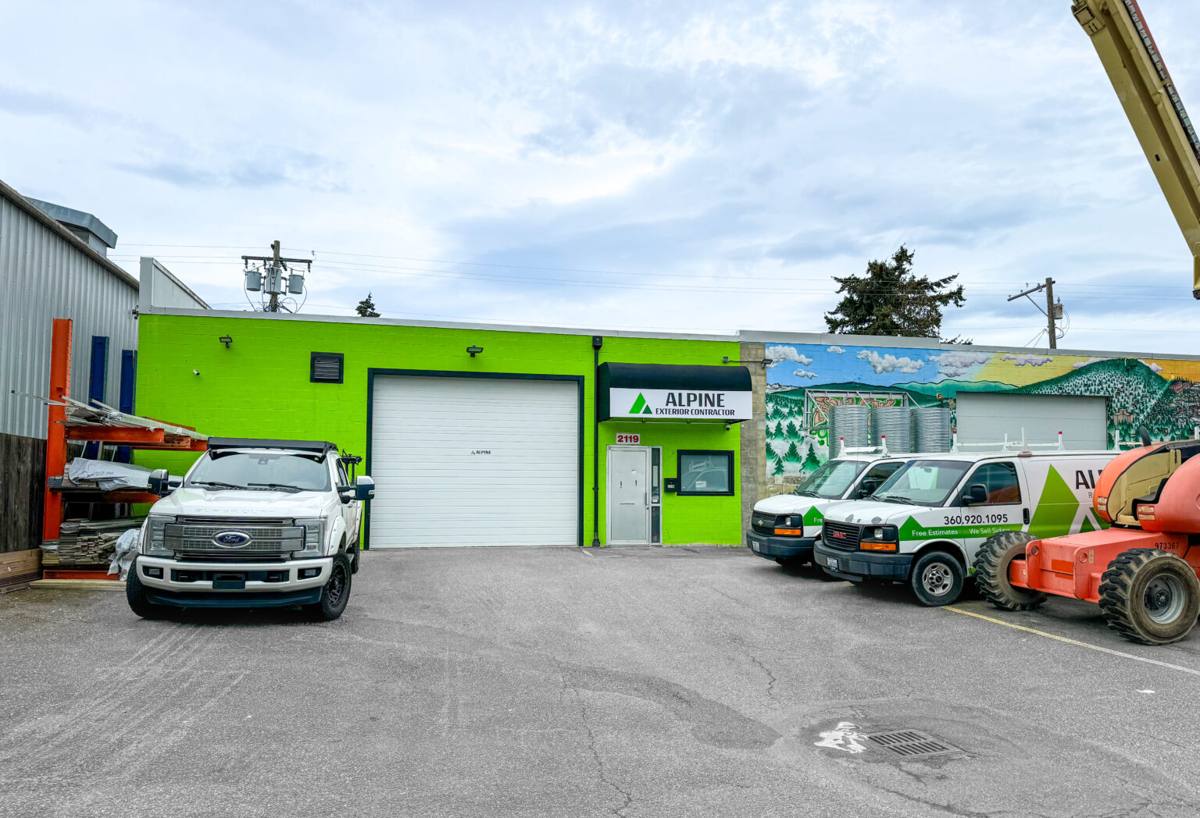
What a Correct Metal Roof Needs in This Environment
Fasteners and Flashing That Won't Corrode Early
Salt air accelerates corrosion, and the first place it shows up is at the fasteners and flashing — the small parts that hold everything together. Standard galvanized screws and cheap flashing can start rusting years before the panels themselves show any wear, and once fasteners fail, the panels they're holding down aren't far behind. We spec corrosion-resistant fasteners and flashing rated for coastal exposure on every Fidalgo Island roof, not just the ones facing open water. Salt air doesn't respect which direction your house faces.
Underlayment and Moisture Barriers
Driving rain off the strait doesn't fall straight down — it gets pushed under panel laps, around penetrations, and into any gap in the flashing that a calmer climate might tolerate. A synthetic underlayment with good wind and water resistance, installed with proper lap direction and sealed penetrations, is the difference between a roof that sheds a storm and one that lets water track sideways into the decking. We also pay close attention to valleys, chimney flashing, and any roof-to-wall transitions, since those are where wind-driven rain finds its way in first.
Panel Styles: Choosing the Right Fit for Your Home
Not every metal roof is the same product wearing a different color. The two main styles homeowners choose between have real differences in how they handle this climate, how they look, and what they cost.
| Factor | Standing Seam | Exposed Fastener |
|---|---|---|
| Fastener exposure | Concealed clips, no exposed screws through the panel face | Screws penetrate the panel face directly |
| Salt air durability | Fewer failure points over time since fasteners aren't exposed to weather | Fastener gaskets need periodic checking as they age |
| Upfront cost | Higher | More affordable |
| Best fit | Homes with high wind/salt exposure or long-term ownership plans | Outbuildings, garages, budget-conscious projects |
| Appearance | Clean, seamless lines | Traditional ribbed look |
Both styles can perform well on Fidalgo Island when installed correctly. The right choice usually comes down to how much wind and salt exposure your specific lot gets, how long you plan to own the home, and your budget. We'll walk your roof with you and give you an honest read on which style fits your situation rather than steering you toward whichever is easiest for us to install.
Moss, Lichen, and the Island's Tree Cover
A lot of Fidalgo Island homes sit under or near mature evergreens, and shaded, north-facing roof slopes here can stay damp for weeks at a stretch in the fall and winter. That's exactly the environment moss and lichen need to take hold. On composition shingle roofs, moss works its way under the shingle edges and lifts them, which is how a lot of roof leaks start. Metal roofing doesn't give moss the same foothold — there's no shingle mat for spores to root into — but it isn't immune. Debris buildup in valleys and around penetrations can still hold enough moisture for growth to start, and it will discolor and eventually degrade any coating if left alone.
Panel profile and slope both affect how well a roof sheds debris on its own. Steeper slopes and simpler panel profiles clear needles and moss spores more effectively than complex rooflines with a lot of valleys and low-slope sections. We factor your lot's tree exposure into the panel and slope recommendations we make, and we'll tell you honestly if your roof's layout is going to need more attention than average regardless of what material is on it.
Our Installation Process
Every metal roof we install on Fidalgo Island follows the same sequence, adjusted for your roof's specific pitch, tree exposure, and wind orientation:
- Inspection and decking check. We look at the existing roof structure, decking condition, and any signs of past moisture damage before quoting anything.
- Tear-off or overlay decision. Based on decking condition and local code, we determine whether a tear-off or a direct overlay is appropriate — we won't overlay onto decking that's already compromised.
- Underlayment installation. A wind- and water-resistant synthetic underlayment goes down with proper lap orientation for our prevailing weather.
- Flashing and penetration detailing. Valleys, chimneys, vents, and wall transitions get flashed before a single panel goes up, since these are the highest-risk leak points.
- Panel installation. Panels are set with corrosion-resistant fasteners or concealed clips, depending on the style chosen, with attention to consistent alignment and proper overlap.
- Ridge and ventilation tie-in. Ridge caps and ventilation components are installed to keep airflow working with the roof system, not against it.
- Final walk-through. We walk the finished roof with you, point out any maintenance items specific to your property, and answer questions before we consider the job done.
Ventilation and Attic Considerations
A metal roof is only as good as the airflow underneath it. In a marine climate like Anacortes and the rest of Skagit County, poor attic ventilation traps moisture, which condenses on the underside of the roof deck and can cause rot from the inside out — completely independent of how well the roofing surface itself is performing. We check existing ridge, soffit, and gable ventilation as part of every project and will flag it if your attic isn't breathing properly. Fixing ventilation at the same time as a roof replacement is far less disruptive than addressing it later.
Maintenance That Actually Matters Here
Metal roofing needs less upkeep than shingle roofing, but "less" isn't "none" — especially with the tree cover and salt exposure common on the island. A short seasonal checklist covers most of what matters:
- Clear needles, leaves, and debris from valleys and around penetrations at least once or twice a year
- Rinse off any early moss or lichen growth before it spreads, rather than waiting until it's established
- Keep gutters clear so water isn't backing up under the roof edge during heavy rain
- Have flashing and fastener condition checked periodically, especially on homes with direct water views or exposure
- Trim back overhanging branches that keep sections of the roof shaded and damp longer than necessary
Why a Crew That Already Works Fidalgo Island Matters
Roofing crews that mostly work drier, more sheltered parts of Washington don't always account for how much salt air and wind-driven rain change the math on fastener choice, flashing detail, and underlayment. A crew that regularly works Anacortes and the rest of Fidalgo Island already knows which slopes catch the worst weather, which lots hold onto moss longest, and which flashing details actually hold up under this specific mix of conditions year after year. That familiarity shows up in fewer callbacks and a roof that performs the way it's supposed to for its full expected life, not just for the first few dry summers.
It also means we're not guessing about local permitting or code requirements for Skagit County — we handle that as a routine part of the job, not a special request.
Get an Honest Look at Your Roof
If you're weighing a metal roof for a Fidalgo Island home, we're glad to come take a look and give you a straight read on what your roof actually needs — no pressure, no upsell. Use the form below to request a free estimate, and we'll walk the roof, answer your questions, and put together a plan that fits your home and your budget.