 Anacortes Window
 Roofing in Edison Has to Answer to the Weather
Edison sits out on the Samish Flats in Skagit County, low and close to the water, with Samish Bay and Padilla Bay both nearby. That location is part of what makes the area beautiful, and it's also exactly why roofs here take more abuse than roofs twenty miles inland. Salt-laden air moves in off the bay, driving rain comes through sideways during winter storms, and the surrounding farmland and tree cover keep humidity and shade high enough that moss and algae get a real foothold on anything that stays damp too long. A roof that would hold up fine in a drier part of the state can start showing problems within a few years out here if it wasn't built with this climate in mind.
Metal roofing has become a popular answer for homeowners in and around Edison specifically because it handles all three of those stressors — salt exposure, wind-driven rain, and moss — better than most alternatives, provided it's specified and installed correctly for this environment. This page is about what that actually looks like: the material choices that make sense here, what a correct installation involves, and what to expect from a crew that already knows this stretch of Skagit County.
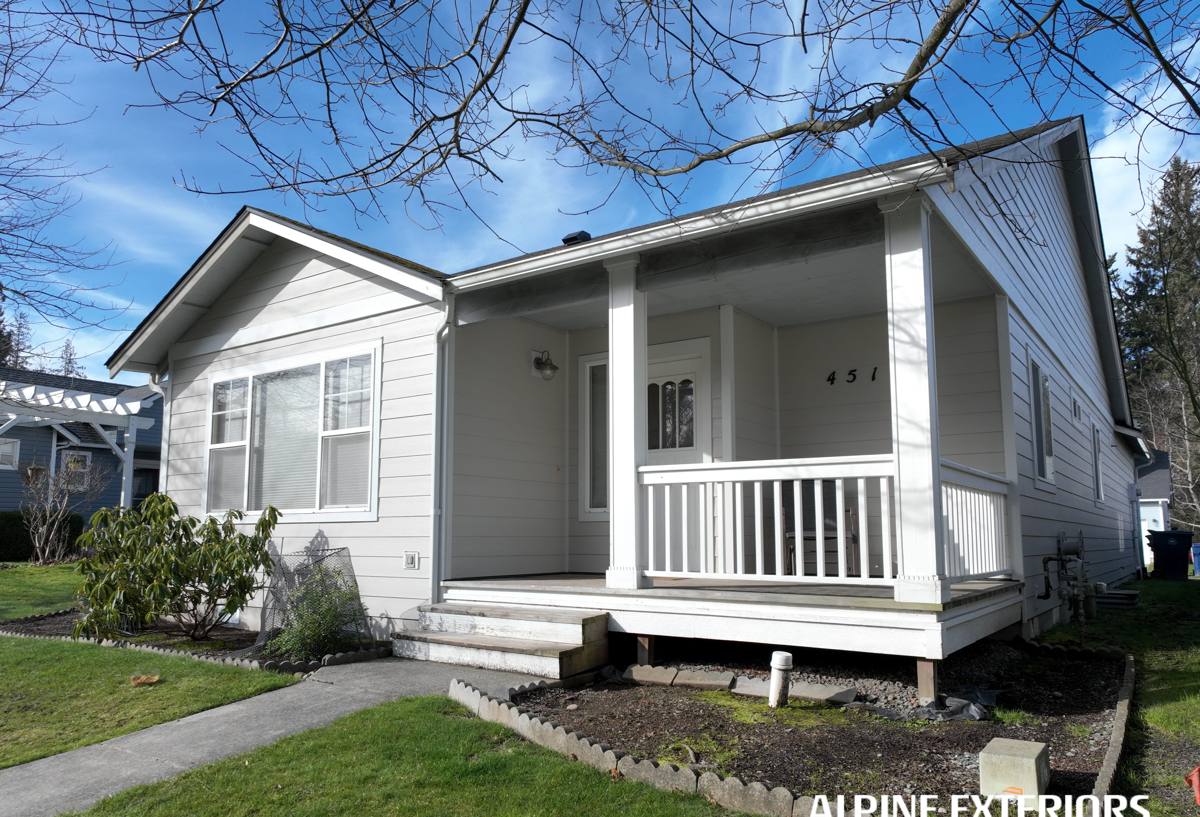
Why Metal Makes Sense for Edison Homes Specifically
Metal roofing isn't automatically the right choice everywhere, but the conditions around Edison line up well with what metal does best.
Salt Air and Corrosion Resistance
Proximity to Samish Bay means airborne salt is a real factor in how materials age here, not just a coastal talking point. Standard fasteners, flashing, and untreated metals will corrode faster near open water than they would inland. The trade-off is that not every "metal roof" is built the same way for salt exposure — coating quality and fastener selection matter more here than they would on a roof twenty miles east.
Wind-Driven Rain
Winter storms coming off the water don't just drop rain straight down — they push it sideways and up under laps, edges, and penetrations. A metal roof with properly sealed seams and correctly lapped panels sheds that kind of rain far more reliably than shingle systems, which depend on gravity and granule adhesion that degrades over time.
Moss and Algae Resistance
The tree cover and dampness common around Edison create ideal conditions for moss and algae growth on roofing. Organic shingle surfaces give moss something to grip and root into over time, which traps moisture against the roof deck. Metal's smooth, hard surface gives moss far less to hold onto, and what does grow tends to sit on top rather than root in, making it easier to remove without damaging the roof underneath.
Metal Panel Options — What Actually Fits This Climate
Not all metal roofing is interchangeable, and the right pick depends on the home, the budget, and how much low-maintenance performance the owner wants over shingle-style texture.
| Panel Type | Best For | Salt/Moisture Performance | Maintenance |
|---|---|---|---|
| Standing seam | Homes prioritizing longevity and a clean, modern look | Excellent — concealed fasteners, fewer penetration points | Low — occasional debris clearing |
| Exposed-fastener panel | Budget-conscious projects, outbuildings, shops | Good, but fastener gaskets need periodic checking | Moderate — fasteners can loosen or corrode over time |
| Stone-coated steel | Homeowners wanting a shingle or tile look with metal durability | Good, coating protects the steel core | Low to moderate |
| Aluminum panel | Homes very close to the water wanting maximum corrosion resistance | Excellent — naturally corrosion-resistant, doesn't rust | Low |
For homes closest to Samish Bay or otherwise exposed directly to salt spray, we lean toward aluminum or a high-quality coated steel with concealed fasteners. Standing seam in particular minimizes the number of exposed penetration points where wind-driven rain and salt air can work their way in over the years.
What a Correct Metal Roof Installation Actually Involves
The panels get most of the attention, but the parts of a metal roof that determine whether it actually performs in this climate are mostly the parts you don't see once the job is done.
Deck Inspection and Prep
Before anything goes down, the existing deck needs to be checked for soft spots, rot, or prior water damage — common on older Edison-area homes that have weathered a lot of wet seasons. Metal panels won't fix a compromised deck; they'll just sit on top of a problem.
Underlayment
A high-temperature synthetic or self-adhered underlayment is a must in a driving-rain climate, not an upgrade. It's the backup layer that protects the deck if wind ever forces water past the panel seams themselves.
Fastening and Sealing
On exposed-fastener systems, correct torque and gasket condition matter — overdriven or underdriven screws are one of the most common causes of leaks on metal roofs. On standing seam systems, the clips and seaming method need to allow the panel to expand and contract with temperature changes without stressing the seams open.
Flashing at Valleys, Walls, and Penetrations
This is where most roof leaks actually originate, on metal or any other material. Valleys, chimney and vent penetrations, and wall transitions need properly formed and lapped flashing, not just a bead of sealant. Sealant fails over time; correctly lapped metal doesn't rely on adhesive to keep water out.
Ventilation
Proper ridge and intake ventilation keeps moisture from building up in the attic space, which matters in a humid coastal climate where trapped moisture leads to condensation, wood rot, and mold, regardless of how good the roofing surface is.
Moss, Algae, and the Realities of Upkeep Here
No roofing material in the Edison area is completely maintenance-free — the climate is simply too wet and too shaded in many spots for that to be realistic. What changes with metal is how much maintenance is required and how forgiving the material is when upkeep gets delayed a season.
- Clear leaves, needles, and organic debris from valleys and gutters at least once a year, ideally after fall leaf-drop
- Rinse visible moss or algae growth with plain water rather than pressure-washing, which can damage coatings and seams
- Check that gutters and downspouts are draining freely — standing water at the eaves is what invites moss to start in the first place
- Trim back overhanging branches where practical to reduce shade and debris accumulation on the roof surface
- Have flashing and seams visually checked periodically, especially after a heavy storm season
Homeowners who've had shingle roofs in this area know the moss cycle well — it comes back every year no matter how often you scrub it off, and each treatment shortens the life of the shingle surface a little more. Metal breaks that cycle by giving moss far less to root into, which means less frequent, less aggressive maintenance over the life of the roof.
How We Work on Edison Projects
Because we already work this part of Skagit County regularly, an Edison project doesn't start from scratch on local conditions — we already know what the salt air, rain patterns, and moss pressure out here tend to do to a roof over time, and we specify materials and detailing accordingly.
- On-site assessment — we look at the existing roof, deck condition, ventilation, and any trouble spots specific to the home's exposure and tree cover.
- Honest scope and material recommendation — we walk through panel and coating options that fit the home's exposure level and the owner's budget, without steering toward the most expensive option by default.
- Clear written estimate — what's included, what the timeline looks like, and what happens if we find deck damage once the old roofing is off.
- Installation with attention to the details that matter here — underlayment, fastening, flashing, and ventilation get the same care as the visible panel work.
- Final walkthrough — we go over the finished roof and basic upkeep expectations before we consider the job done.
Signs an Edison Roof Needs Attention
Because storm damage and moss growth aren't always obvious from the ground, it helps to know what to watch for before a small issue becomes a deck-level repair.
- Streaking or dark patches on the roof surface, often a sign of algae or moss establishing itself
- Rust staining around fasteners or flashing on an existing metal or metal-flashed roof
- Water stains on interior ceilings after a heavy wind-driven rain event
- Sagging or soft-feeling spots in the roofline, which can indicate deck damage underneath
- Granules collecting in gutters, a sign an existing shingle roof is breaking down
- Gutters or valleys that stay clogged or slow to drain despite regular cleaning
What Drives Cost on an Edison Metal Roof
Every roof is different, but the same handful of factors tend to move the price up or down on projects in this area.
| Factor | Why It Matters |
|---|---|
| Panel type and material | Aluminum and standing seam generally cost more upfront than exposed-fastener steel, but require less maintenance and last longer |
| Roof complexity | Valleys, dormers, and multiple roof planes require more flashing work and labor time |
| Deck condition | Rot or soft decking found once old roofing is removed adds repair cost before new roofing can go on |
| Ventilation upgrades | Older Edison-area homes sometimes need added ridge or intake ventilation, which is worth doing at the same time as a reroof |
| Accessibility | Steep pitches or difficult site access affect labor time and equipment needs |
We don't quote a number without seeing the actual roof, but broadly, exposed-fastener steel tends to sit at the lower end of the metal roofing range, while standing seam and aluminum sit higher — reflecting the lower maintenance and longer service life they offer in this climate.
What to Look for When Hiring a Roofing Crew Out Here
Edison is small enough that word travels, but it's still worth knowing what separates a contractor who understands this climate from one who doesn't.
- Ask specifically how they handle flashing at valleys and penetrations — vague answers about "sealant" are a red flag
- Confirm what underlayment they use and whether it's rated for this climate, not just a minimum-code product
- Ask whether they've worked on homes in Edison, Bow, or similarly exposed parts of Skagit County before
- Get the fastener and coating specifications in writing, not just the panel color and style
- Make sure ventilation is part of the conversation, not an afterthought
- Check that the estimate spells out what happens if deck repair is needed once old roofing comes off
Let's Look at Your Roof
If you're weighing a metal roof for a home in or around Edison, we're happy to take a look, walk through what your specific roof and exposure call for, and give you a straightforward estimate — no pressure, no upsell script. Use the form below to get in touch and we'll set up a time to come out.