 Anacortes Window
 Building a Deck That Holds Up in Conway
Conway sits in the lower Skagit Valley, low and flat, with a lot of moisture moving through the ground and the air for most of the year. A deck built here has to deal with more than just rain falling on top of it. Standing water in the yard, high humidity off the river bottom, and long stretches of overcast, drippy weather all work on a deck's structure from underneath and from the sides, not just from above. We've built and repaired decks throughout this part of Skagit County long enough to know which shortcuts show up as soft boards and rusted hardware two or three years later, and which details actually matter.
This page covers what a deck built for Conway conditions needs to get right — material choice, framing, drainage, and hardware — and how we approach the work when a homeowner in this area calls us for a new build or a rebuild.
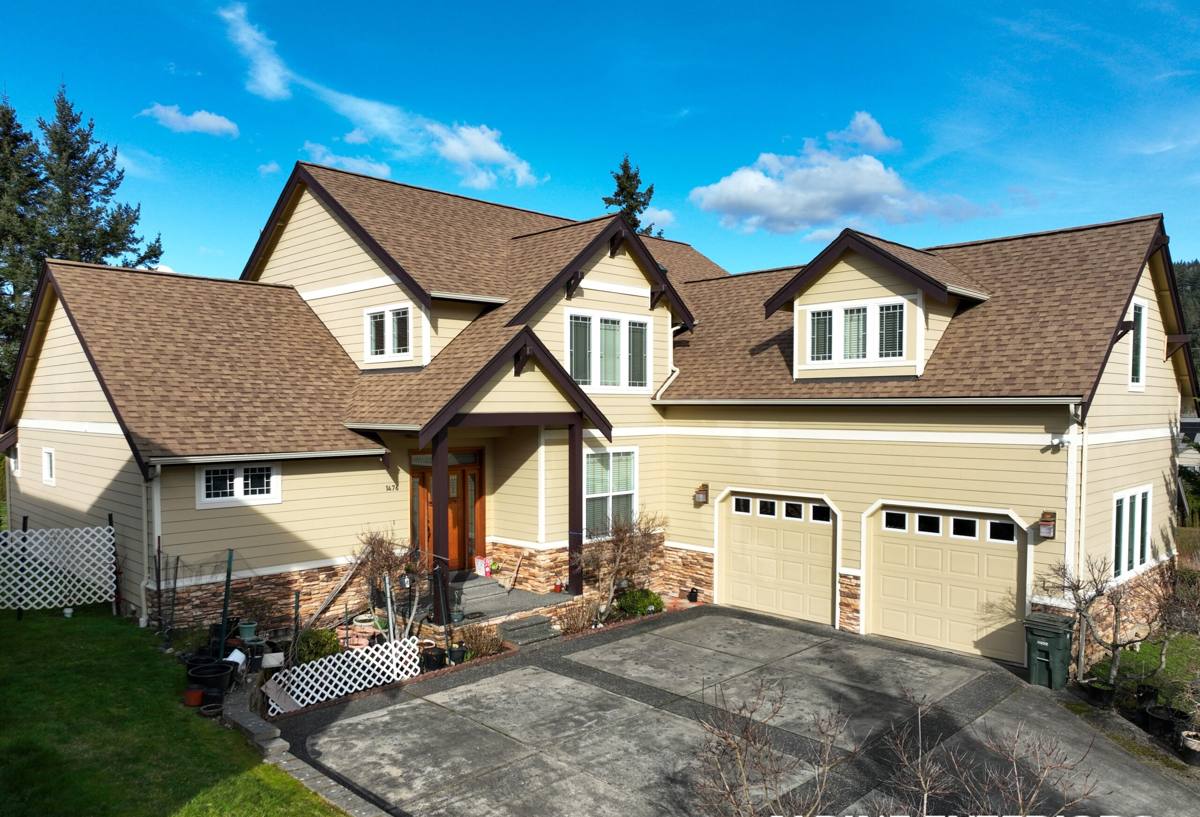
What This Site Demands From a Deck
A few things about building in and around Conway change how we approach a deck compared to a drier inland site:
- Ground moisture and low elevation. Low-lying ground in this part of the valley tends to hold water longer after storms, which means footings, post bases, and anything close to grade need to be detailed to shed water, not just wet-proofed and hoped for.
- Long wet seasons. Skagit County gets extended stretches of steady, low-intensity rain rather than short heavy downpours. That's actually harder on a deck than a hard rainstorm — wood and even composite surfaces stay damp longer, which is exactly what moss, algae, and rot organisms want.
- Moss season. Anywhere shaded or slow to dry — north-facing decks, areas under trees, boards laid tight with poor airflow underneath — will grow moss here if the deck isn't designed and finished to resist it.
- Salt-influenced air. This part of Skagit County isn't as directly salt-exposed as waterfront sites on Fidalgo Island, but coastal air moving inland still accelerates corrosion on lower-grade fasteners and hardware over the years.
None of this means a deck can't be built well here — it means the design has to account for water and moisture as the default condition, not the exception.
Decking Material: What Actually Holds Up
There's no single "best" decking material for every yard, but there are real trade-offs worth knowing before you decide. Here's how the common options compare for a site like Conway:
| Material | Moisture Behavior | Maintenance | Typical Lifespan Here |
|---|---|---|---|
| Pressure-treated lumber | Absorbs and releases moisture readily; prone to cupping and checking if not sealed and kept clean | Needs cleaning and re-sealing every 1-2 years to resist moss and rot | 15-20 years with upkeep |
| Cedar | Naturally rot-resistant but still moisture-permeable; darkens and grays without finish | Regular cleaning and finish renewal, especially in shaded areas | 15-25 years with upkeep |
| Composite decking | Doesn't absorb water into the board itself, but surface grime and pollen still hold moisture that feeds moss on the surface | Periodic washing; no sealing or staining required | 25-30+ years, backed by manufacturer warranty |
| PVC/capped composite | Fully moisture-resistant surface; least hospitable to moss and algae | Occasional washing only | 25-30+ years, backed by manufacturer warranty |
We're straightforward with homeowners about this: wood costs less up front but asks for more of your time every year to stay ahead of moss and moisture damage. Composite and PVC cost more initially but hold up with far less maintenance in a climate that stays damp as much of the year as ours does. Neither choice is wrong — it depends on your budget and how much upkeep you actually want to do.
Why We're Careful About Cheap Composite
Not all composite decking is built the same. Early-generation and budget composite products without a full cap layer can absorb moisture at the core over time, especially at cut ends and fastener holes, which leads to swelling and mold discoloration that no amount of surface cleaning fixes. We install fully capped composite or PVC products specifically because uncapped cores are a poor match for a climate where boards rarely get a long enough dry stretch to fully release absorbed moisture. This is a maintenance and moisture-behavior standard we hold to, not a knock on every composite product on the market.
Framing and Footings: Where Decks Actually Fail
Most deck failures we see aren't in the visible decking boards — they're in the framing and connections underneath, where nobody looks until something feels soft or starts to sag.
Ledger Board Flashing
Where a deck attaches to the house, water intrusion behind the ledger board is one of the most common causes of structural rot we find on older decks. Correct flashing — installed so water is directed out and away from the house framing, not trapped behind the ledger — is not optional in a climate this wet.
Footings and Post Bases
In low, moisture-holding ground like much of the Conway area, footings need to be set to proper frost and bearing depth, and post bases need to hold the post above grade so wood never sits in standing water or wicks moisture directly from wet soil. We also check drainage around footing locations before we pour, since a footing set in a low spot that collects water year-round is a problem no amount of concrete solves on its own.
Joist Protection
Untreated or poorly protected joist tops and cut ends are where rot typically starts inside a deck frame, hidden under the decking boards. Joist tape or an equivalent moisture barrier over framing lumber, and sealing all field cuts, keeps water from soaking into end grain — the fastest way wood absorbs moisture.
Hardware and Fasteners That Won't Corrode Out
A deck is only as strong as its connections, and connections fail from corrosion long before the wood or composite around them wears out. We use fasteners and structural hardware rated for coastal or wet-climate exposure — stainless steel or heavy hot-dip galvanized, depending on the application — rather than standard-grade hardware that can start rusting and staining within a few years in this kind of air and moisture. Cheaper fasteners might not fail outright quickly, but they streak boards with rust stains and lose holding strength well before a properly rated fastener would.
Drainage and Airflow Underneath the Deck
What happens under a deck matters as much as what happens on top of it. A deck built low to the ground with poor airflow underneath traps moisture, which is exactly the environment moss, mold, and rot need. Our approach includes:
- Proper board spacing so water sheds through rather than pooling on the surface
- Grading and drainage checks underneath the deck so water doesn't collect and sit against footings or framing
- Adequate clearance between the underside framing and grade to allow air movement and drying between wet stretches
- Keeping vegetation and debris from building up against skirting or framing, since trapped organic matter holds moisture against wood
Our Deck Building Process
Every deck we build in the Conway area follows the same general sequence, adjusted for the specific site:
- On-site assessment of grade, drainage, sun/shade exposure, and how the deck will attach to the house
- Design and material discussion, including honest trade-offs between wood and composite/PVC for your specific site and budget
- Permitting as required by the jurisdiction covering your property
- Footings and framing, built to proper depth and flashed correctly at the ledger
- Decking, railing, and hardware installation using fasteners rated for our climate
- Final walkthrough covering drainage, maintenance expectations, and what to watch for as the deck ages
Keeping a New Deck Ahead of Moss and Moisture
Even a well-built deck needs some seasonal attention in a climate like this. A yearly cleaning to clear pollen, leaf debris, and early moss growth before it gets established goes a long way, especially on shaded sections. Wood decks need their finish checked and renewed on a schedule; composite and PVC decks mainly need washing to keep organic buildup from giving moss anything to hold onto. We walk every homeowner through what their specific deck material actually needs so there are no surprises the first wet winter.
Why Local Experience Matters for This Job
A deck built the same way you'd build one in a dry inland climate doesn't hold up here. Flashing, footing depth, fastener grade, and drainage details that would be fine elsewhere in Washington aren't sufficient for the ground conditions and wet-season length around Conway and the rest of Skagit County. We've built and repaired enough decks in this area to know which details are worth insisting on and which "cheaper now" shortcuts turn into rot, rust stains, or a soft frame within a handful of years — and we build accordingly, whether it's a new deck from the footings up or a rebuild replacing one that wasn't.
If you're planning a new deck or need to replace one that's showing its age, we're happy to take a look and put together a free, no-pressure estimate. Use the form below to get started.