 Anacortes Window
 Windows Built for a Ship Harbor Address
Ship Harbor sits close enough to the water that homes here take a different kind of weathering than houses further inland in Skagit County. Salt-laden air works its way into hardware and finishes over time. Wind-driven rain off Rosario Strait doesn't just fall — it gets pushed sideways into window frames and joints under real pressure. And the long gray stretch of fall through spring keeps siding, trim, and window sills damp long enough for moss and algae to take hold. None of this is dramatic on its own, but stacked together, year after year, it's exactly the combination that finds every weak point in a window installation.
A window that performs fine in a dry inland climate can still fail here — not because the glass or vinyl is bad, but because the installation wasn't built for what this particular location throws at it. That's the gap we work to close on every Ship Harbor job: matching the product and the install to the site, not just selling a general "good window."
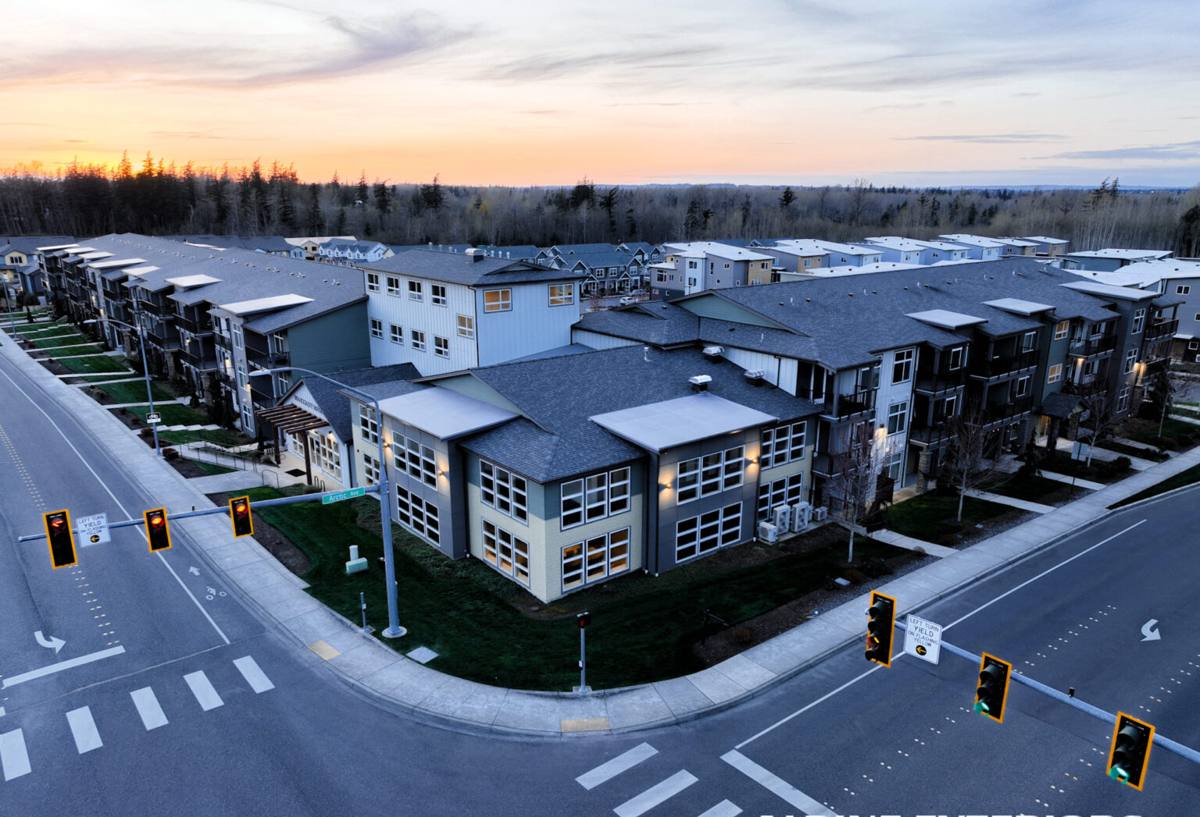
What Actually Goes Wrong With Windows Near the Water
Before talking about solutions, it helps to know what we're actually seeing when we inspect older or poorly installed windows in this neighborhood:
- Corroded hardware — hinges, locks, and balance mechanisms pitting or seizing from salt exposure, even on windows that look fine from the street
- Soft or discolored wood trim and sills where wind-driven rain has been getting past the sealant for years
- Fogging or moisture between panes, meaning the seal on a dual-pane unit has failed and the argon gas has escaped
- Green or black growth in the corners of frames and on sills that stay shaded and damp most of the year
- Drafts around the frame that didn't exist when the window was new, usually from shrinking or UV-degraded caulk and backer rod
- Difficulty opening or latching windows, often from minor frame racking as the house settles or from swollen wood sash
Most of these show up gradually, so homeowners tend to notice the symptom — a draft, a foggy pane, a sticky latch — long before they connect it to the underlying cause.
Choosing Frame Materials for a Coastal-Influenced Site
There's no single "best" window material for every house — it depends on the home's style, budget, and how exposed the specific elevation is to weather. Here's how the common options actually hold up under salt air and sustained wet weather:
| Material | Salt air / moisture behavior | Maintenance |
|---|---|---|
| Vinyl | Won't corrode or rot; performs well in coastal air; seams and welds are the main long-term watch point | Low — occasional cleaning, no painting |
| Fiberglass | Very stable dimensionally, resists moisture and salt well, holds paint if a custom color is wanted | Low to moderate |
| Aluminum | Strong and slim-profile, but bare aluminum can pit and corrode in salt air without a quality marine-grade finish | Moderate — finish matters a lot here |
| Wood / wood-clad | Best appearance for older or craftsman-style homes, but exterior wood is the most vulnerable to driving rain and needs a reliable clad or paint system | Highest — periodic inspection and upkeep required |
We're not going to tell a homeowner that wood windows are a bad choice — plenty of Ship Harbor homes look right with them, and a properly clad or well-maintained wood window can last decades. What we will do is be straight about the maintenance commitment each material carries in this specific climate, so the choice is made with full information rather than a sales pitch.
Glass Packages: What Actually Matters Here
The glass package affects comfort and condensation more than most homeowners expect. A few things worth understanding before choosing:
Dual-pane vs. triple-pane
Dual-pane with a good low-E coating and argon fill is the standard choice for most Ship Harbor homes and performs well. Triple-pane adds real value on north-facing rooms, homes closer to open water with more wind exposure, or for owners specifically chasing lower energy bills and better sound dampening from wind and rain noise — but it's a heavier, pricier unit and not always worth it on every elevation.
Low-E coatings
Low-E glass helps manage heat loss through our long heating season and cuts UV fading on interior furnishings — a genuine benefit here given how many gray, overcast months this region gets.
Condensation resistance
In a damp climate, interior condensation on window glass is common in winter. A quality glass package and correctly sized sash reduce it, but ventilation and interior humidity levels in the home matter just as much as the window itself — worth knowing so a homeowner doesn't assume a foggy morning window means a bad install.
Why the Installation Matters More Than the Brand
We say this to every homeowner we quote: the window unit itself is maybe half the job. The other half — arguably the more important half in a wind-driven-rain environment — is how it's flashed, sealed, and integrated into the wall.
A correct installation in this climate includes:
- Proper flashing at the head, jambs, and sill, lapped in the right order (sill first, jambs, then head) so water sheds outward and never behind the flashing
- A sloped sill pan so any water that does get past the exterior seal drains back out instead of pooling against the frame
- Weather-resistant barrier integration — the window's flashing needs to tie into the house wrap or building paper correctly, not just get caulked over the top
- Backer rod and a quality, flexible exterior sealant rated for UV and moisture exposure — cheap caulk is one of the first things to fail in salt air and sun exposure combined
- Shimming and squaring the unit so it operates smoothly and the seals compress evenly around the whole frame
- Interior air sealing with low-expansion foam or backer rod, which affects both drafts and condensation
Skip or rush any one of these steps and the window can look perfect for a year or two before a leak shows up — usually as a stain on interior drywall or trim, by which point water has often been getting into the wall assembly for a while.
Our Process for a Ship Harbor Window Project
1. On-site assessment
We look at existing window condition, wall construction, and which elevations of the house take the most direct weather — the water-facing side of a Ship Harbor home usually needs more attention to flashing detail than a sheltered side.
2. Product selection
We walk through frame material, glass package, and style options based on the home's age, architecture, and the homeowner's budget and maintenance preferences — not a one-size push toward whatever's easiest to install.
3. Precise measurement
Custom windows are ordered to the exact rough opening, which matters more on older homes where openings are rarely perfectly square or a standard size.
4. Removal and inspection
When we pull the old window, we check the surrounding framing and sheathing for hidden rot or moisture damage before installing anything new — this is often where we catch problems that started long before the window itself failed.
5. Installation and flashing
Full flashing and sealing sequence as outlined above, done to manufacturer specification so warranties stay valid.
6. Final check and cleanup
We test operation, check seals, and walk the homeowner through care and any warranty paperwork before we leave.
Cost Factors for Custom Window Projects
Every home is different, so we don't quote sight unseen — but these are the main variables that move the price on a custom window job:
| Factor | Why it affects cost |
|---|---|
| Frame material | Vinyl is typically the most budget-friendly; fiberglass and wood-clad cost more upfront |
| Glass package | Triple-pane and specialty coatings add cost over standard dual-pane low-E |
| Opening condition | Rot repair or reframing discovered during removal adds labor beyond the window itself |
| Number and size of openings | Larger units and full-house projects have per-window efficiencies but higher total cost |
| Access and elevation | Second-story or hard-to-reach windows can require additional staging or safety equipment |
We give straightforward, itemized estimates so homeowners can see exactly what's driving the number — no vague lump-sum pricing.
Living With Windows in a Salt Air, High-Moisture Climate
Even a well-installed window benefits from some basic upkeep in this environment:
- Rinse exterior frames and hardware occasionally to clear salt residue, especially on homes with more direct water exposure
- Keep weep holes on the exterior sill clear of debris, moss, and dirt so water can drain instead of pooling
- Check exterior caulking annually for cracking or gaps, particularly after a hard winter
- Address any moss or algae buildup on sills and trim promptly rather than letting it sit against the frame
- Operate windows periodically even in the off-season so hardware doesn't seize from disuse plus moisture
None of this is heavy maintenance, but skipping it in a climate like Anacortes's tends to shorten a window's useful life more than people expect.
Why Local Experience Matters for This Job
Ship Harbor isn't a generic building site — it's a specific set of conditions: proximity to the water, prevailing wind and rain direction, and a moss season that runs longer than it does further inland in Skagit County. A crew that installs windows across a wide range of climates might get the product right and still under-detail the flashing or seal for what this location actually experiences over a full year. We work in this area regularly, which means we're not guessing at how a given elevation or wall assembly will hold up — we've seen how these houses age and we build the install accordingly.
If you're weighing whether your windows need replacement, repair, or just better maintenance, we're happy to take a look and give you a straight answer — including telling you if replacement isn't necessary yet. Reach out for a free, no-pressure estimate using the form below, and we'll walk your home's specific exposure and openings with you before recommending anything.