 Anacortes Window
 Why Cap Sante Homes Ask More of a Window Installation
Homes on and around Cap Sante sit close enough to the water that the air itself is part of the job. Salt-laden moisture off the marina and the strait works its way into wood, metal, and even some vinyl products faster than it does a few miles inland. Add Anacortes' driving rain, which tends to come in sideways off Puget Sound during winter storms, and a long, damp moss season that keeps roofs, siding, and trim wet for weeks at a time, and you have a set of conditions that punishes a mediocre window install. A window that would hold up fine in a drier part of Skagit County can start showing problems within a few years on a Cap Sante lot if the flashing, sealing, or product choice wasn't right for the exposure.
This page focuses on one thing: window installation for homes in the Cap Sante area, and what it actually takes to do that job correctly given the local climate. It's not a general overview of windows — it's what we've learned installing them on this particular hill, above this particular marina.
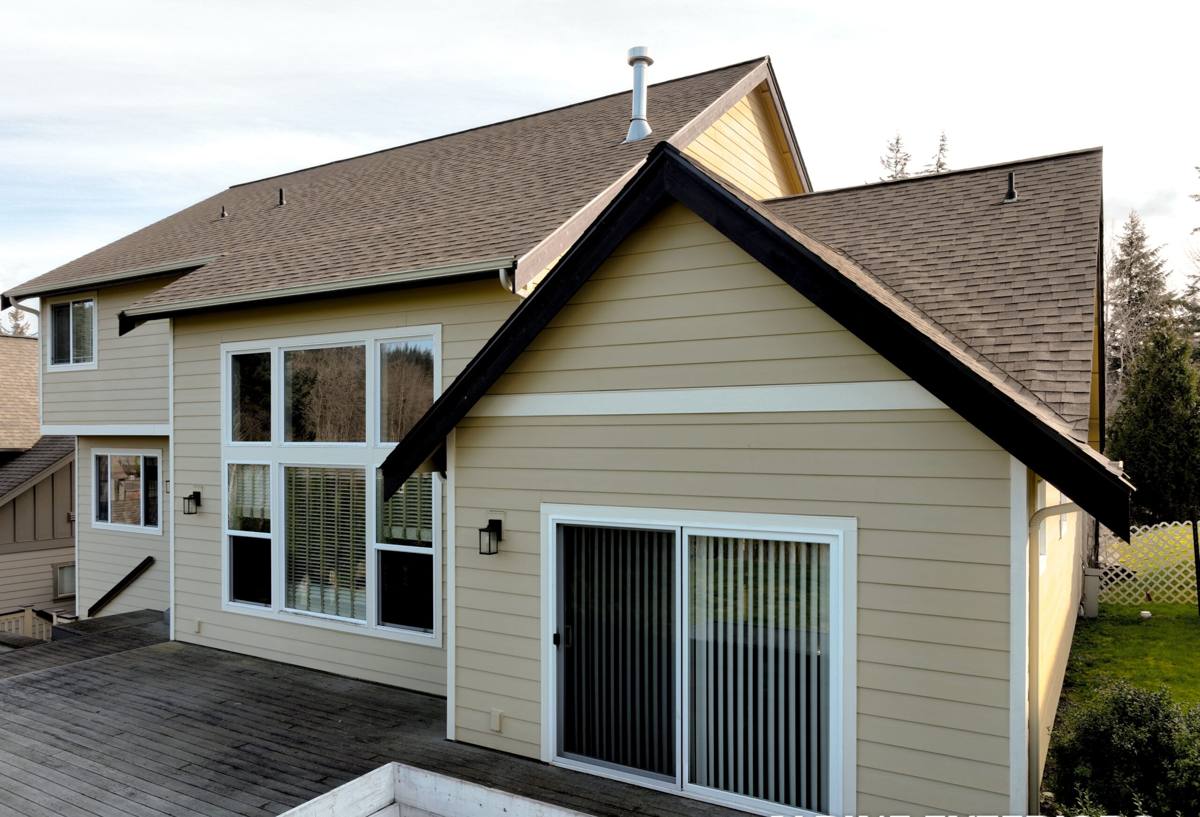
What Salt Air and Driving Rain Actually Do to a Window
Salt Air and Metal Components
Salt air accelerates corrosion on unprotected or poorly coated metal — hardware, hinges, balance systems, and screws. Once corrosion starts on a window's moving parts, operation gets stiff, locks stop seating properly, and the seal around the sash can start to fail even if the frame itself looks fine. This is one reason hardware quality and finish matter more here than in a typical inland install.
Driving Rain and Water Intrusion
Wind-driven rain doesn't just fall on a window, it gets pushed into any gap around it. A window opening that isn't flashed and sealed correctly will eventually let water behind the trim and into the wall cavity, where it causes rot and hidden damage long before anyone sees a stain on the interior wall. On exposed elevations facing the water, this is the single biggest factor separating an installation that lasts decades from one that fails early.
Moss, Moisture, and Trim
Anacortes' long wet season keeps wood trim and sills damp for extended stretches, which is exactly the environment moss, mildew, and rot organisms need. Wood window components that aren't properly primed, sealed, and detailed for drainage will hold moisture against the surface and start to break down well ahead of their expected lifespan.
Signs a Cap Sante Home May Need New Window Installation
Because of the coastal exposure, problems here often show up earlier and more visibly than they would elsewhere in Skagit County. Common signs we see on service calls in this area include:
- Visible corrosion or white powdery buildup on window hardware, hinges, or screws
- Sashes that are hard to open, close, or lock, especially on the side of the house facing the water
- Soft or discolored wood trim or sills, particularly at the bottom corners of the frame
- Persistent moss or dark staining on the sill or trim that comes back soon after cleaning
- Drafts or a noticeable temperature difference near the window on windy, rainy days
- Foggy or cloudy glass between panes, which means the seal on an insulated glass unit has failed
- Paint or finish peeling from the frame or trim faster than on the rest of the house
Any one of these on its own might just mean a repair. Several at once, especially on a wall exposed to weather off the water, usually means it's time to talk about replacement.
What a Correct Window Installation Involves
Window installation looks simple from the outside — pull the old unit, set the new one, trim it out. In a high-exposure location like Cap Sante, the parts that actually determine whether the install lasts are the parts you can't see once the trim goes back on.
Opening Prep and Flashing
Before a new window goes in, the rough opening needs to be inspected for any existing water damage or rot and repaired if needed. Flashing tape and a proper drainage plane are installed so that any water that does get past the window sheds down and out, rather than pooling behind the trim. This step matters everywhere, but it's the difference-maker on wind-exposed walls.
Sealing and Weatherproofing
Sealant type and placement matter. A bead of caulk in the wrong spot can trap water instead of keeping it out. We seal to let the assembly drain the way it's designed to, not just to make the joint look clean from outside.
Level, Plumb, and Square
A window that isn't set level, plumb, and square will bind, won't lock tight, and will develop gaps that let both air and water through — problems that show up faster in a wet, windy climate than in a mild one.
Hardware and Fastener Choice
In a salt-air environment, fastener and hardware corrosion resistance isn't optional. We use materials rated for coastal exposure rather than standard-grade hardware that's fine for an inland install but won't hold up a few blocks from the marina.
Choosing Window Materials for a Waterfront-Adjacent Climate
There's no single "best" window material for every home — the right choice depends on exposure, budget, and how much upkeep you want to take on. Here's how the common options compare for a home in the Cap Sante area:
| Material | How It Handles Salt Air & Rain | Maintenance | Typical Trade-Off |
|---|---|---|---|
| Vinyl | Good corrosion resistance, won't rot | Low | Fewer color/finish options, can't be repainted easily |
| Fiberglass | Very good — stable in moisture, resists corrosion | Low to moderate | Higher upfront cost than vinyl |
| Aluminum | Needs a quality marine-grade finish or it corrodes quickly | Moderate | Conducts heat/cold more than other frames |
| Wood | Attractive but vulnerable to rot without diligent upkeep | High | Best suited to protected elevations, not direct wind/rain exposure |
| Wood-Clad | Exterior cladding protects the wood from weather | Moderate | Clad material and detailing quality matters a lot in this climate |
For fully exposed elevations facing the water, we generally steer homeowners toward vinyl or fiberglass for the exterior-facing performance, while wood or wood-clad can still make sense on more protected sides of the house where the interior look matters most. This is a conversation worth having in person, since every lot's exposure is a little different.
Our Installation Process
1. On-Site Assessment
We look at each opening individually — exposure direction, existing trim and siding condition, and any signs of past water intrusion — before recommending a product or approach.
2. Product Selection
We walk through material, glass, and hardware options suited to that specific wall's exposure, not a one-size-fits-all package.
3. Removal and Opening Inspection
Old windows come out carefully so we can inspect the framing underneath. Any rot or damage gets addressed before the new window goes in — installing over a damaged opening just locks the problem inside the wall.
4. Flashing, Setting, and Sealing
The new window is flashed, set level and plumb, and sealed using a drainage-first approach so water sheds out rather than getting trapped.
5. Trim and Finish
Interior and exterior trim is finished to match the home, with attention to sealing details that keep moisture from tracking behind the trim over time.
6. Final Walkthrough
We check operation, locks, and seals with you before calling the job done.
What Window Installation Costs Depend On
Every project is different, but the main factors that move the price on a Cap Sante-area window job are usually the same handful of variables:
| Factor | Why It Matters |
|---|---|
| Window material and glass package | Vinyl, fiberglass, and wood-clad carry different material costs and long-term performance |
| Number and size of openings | More or larger windows means more labor and material |
| Condition of the existing opening | Rot or water damage found during removal adds repair work before the new window can go in |
| Exposure and elevation | Wind- and rain-exposed walls often call for higher-grade flashing and sealing details |
| Access and site conditions | Second-story or hard-to-reach openings take more time and equipment |
We'll never quote a job sight unseen — an accurate number depends on actually looking at your openings and their condition.
Why Local Experience on Cap Sante Matters
A crew that hasn't worked this specific hillside doesn't necessarily know, without being told, which elevations catch the worst of the wind off the strait, how fast salt exposure eats through standard hardware here, or how long moss really sits on north-facing trim in an Anacortes winter. That's not a knock on any particular company — it's just the difference between general window installation experience and having actually done this work, on this terrain, in this climate, repeatedly. We've installed windows across Skagit County homes with this kind of marine exposure, and we bring that specific knowledge — not just a generic install checklist — to every Cap Sante project.
If you're noticing drafts, sticking hardware, or trim trouble on your Cap Sante home, we're happy to take a look and walk you through your options. Use the form below to request a free, no-pressure estimate — there's no obligation, and we'll give you an honest read on what your windows actually need.