 Anacortes Window
 Cap Sante's Roofs Work Harder Than Most
Cap Sante sits right up against the water, which means every roof in the neighborhood is doing a job that roofs a few miles inland don't have to do. Salt-laden air off the marina and Guemes Channel accelerates corrosion on metal fasteners, flashing, and vents. Wind-driven rain off Rosario Strait doesn't just fall on a roof — it gets pushed sideways under shingle edges and around penetrations that would stay dry in a calmer setting. And the long, damp Skagit County shoulder seasons keep north-facing slopes shaded and wet long enough for moss and algae to take hold and start working their way under the roofing material itself.
None of that means a Cap Sante roof needs to be exotic or overbuilt. It means the installation details that get skipped on an easier job — proper flashing laps, corrosion-resistant fasteners, real ventilation, correctly sequenced underlayment — are not optional here. They're the difference between a roof that looks fine for a few years and one that actually protects the house for its full service life.
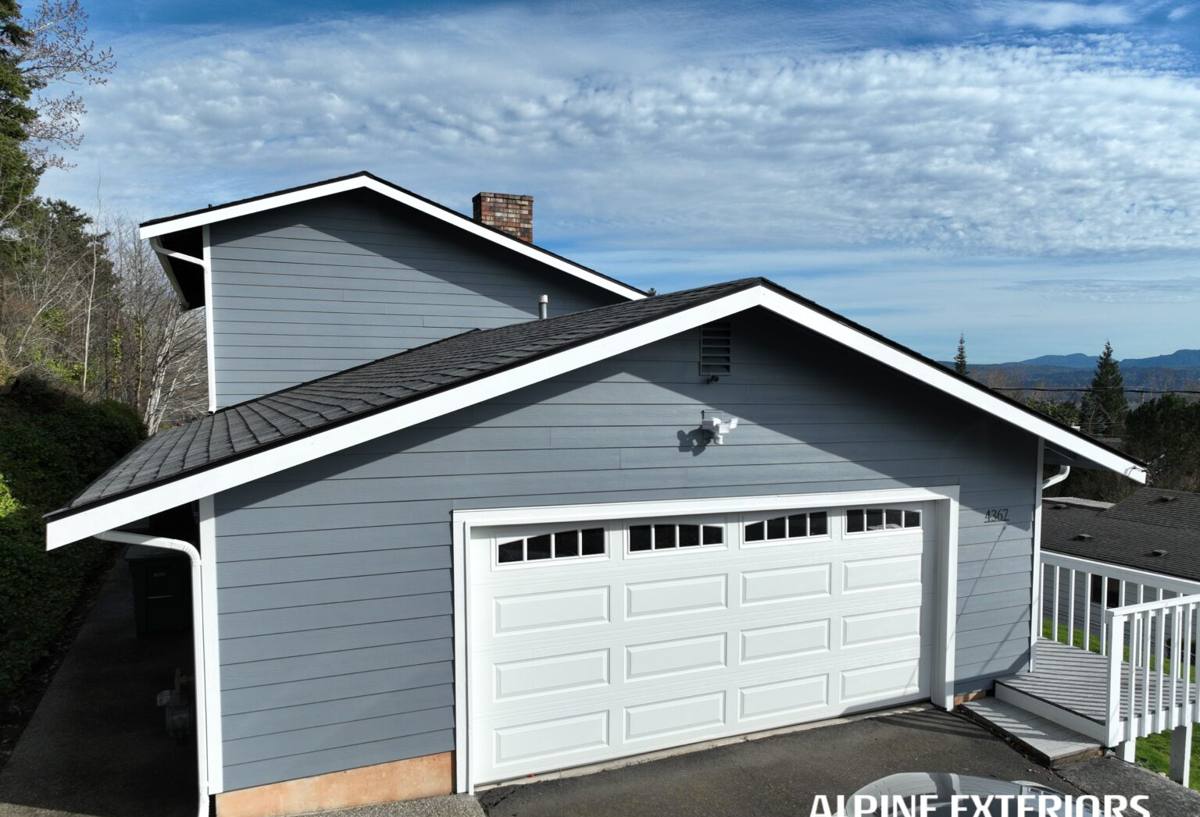
How Local Conditions Actually Damage a Roof
Salt Air and Metal Fatigue
Salt in the air settles on exposed metal — nail heads, drip edge, flashing, vent housings — and speeds up corrosion compared to the same materials a few miles inland. Once a fastener or flashing seam starts to corrode, water finds a path long before there's a visible leak indoors.
Driving Rain and Wind Uplift
Storms off the water tend to bring rain in sideways, not straight down. That stresses shingle tabs, ridge caps, and anything with an exposed seam or lap. A roof designed for calm, vertical rainfall performs noticeably worse here than one detailed for wind-driven weather.
Moss, Algae, and Shaded Slopes
Anacortes' tree cover and marine humidity keep north- and east-facing roof slopes damp well after the rest of the roof has dried out. That moisture holds moss spores, and once moss establishes itself it lifts shingle edges, traps water against the roof deck, and shortens the life of the roofing material significantly faster than sun exposure alone ever would.
Signs a Cap Sante Home Needs a New Roof
- Granule loss showing up in gutters or at downspout outlets
- Curling, cupping, or cracked shingle tabs, especially on the water-facing slope
- Moss or algae growth that keeps returning after cleaning
- Soft or spongy spots when walking the roof deck
- Rust staining around flashing, vents, or valleys
- Daylight visible through the attic roof deck
- A roof that's 20+ years old and has never been fully replaced, only patched
- Rising energy bills tied to poor attic ventilation or insulation gaps at the roofline
Any one of these on its own might just call for a repair. Several together, especially on an older roof, usually means the underlying materials have reached the end of their useful life and patching will keep costing money without solving the problem.
What a Correct New Roof Installation Actually Involves
A new roof is more than laying down new shingles over what's already there. A proper installation in a marine environment like Cap Sante includes several steps that matter more here than they would somewhere drier and calmer.
Full Tear-Off and Deck Inspection
We remove the existing roofing down to the deck rather than layering over it. That lets us actually inspect the plywood or OSB sheathing for soft spots, delamination, or rot — problems that are common on older coastal roofs where moisture has been working its way in slowly for years. Any damaged decking gets replaced before anything new goes down.
Ice-and-Water or Synthetic Underlayment
Underlayment is the roof's backup layer if wind-driven rain gets past the primary roofing material. In valleys, around penetrations, and along eaves, we use self-adhering waterproof underlayment rather than relying on standard felt alone — it seals around fastener penetrations instead of just shedding water.
Flashing Done Right
Flashing failures are the single most common source of roof leaks, and they're almost always an installation problem, not a material problem. Step flashing at walls, counter-flashing at chimneys, and proper valley metal all need to be layered correctly with the underlayment and roofing material, not just caulked and hoped for.
Corrosion-Resistant Fasteners and Hardware
Given the salt air, we use fasteners and metal components rated for coastal exposure rather than standard-grade hardware. It costs a little more upfront and saves the homeowner from premature rust staining and fastener failure years down the road.
Ventilation Correction
Many older Cap Sante homes were built with minimal or blocked attic ventilation. A new roof installation is the right time to correct that — balanced intake and exhaust ventilation keeps the deck dry from underneath, which matters as much as keeping rain out from above.
Comparing Roofing Materials for a Marine Climate
There's no single "best" roofing material for every home — it depends on the roof's exposure, the home's style, and the owner's budget and maintenance preferences. Here's an honest comparison of the options most commonly installed in this area.
| Material | Typical Lifespan | Coastal Performance | Maintenance |
|---|---|---|---|
| Architectural asphalt shingle | 25–30 years | Good with proper flashing and ventilation; moderate wind rating | Periodic moss treatment on shaded slopes |
| Standing seam metal | 40–60 years | Excellent wind and rain resistance; needs marine-grade coatings and fasteners | Low; occasional fastener and sealant check |
| Synthetic/composite shingle | 30–50 years | Strong impact and wind resistance; resists moss better than asphalt | Low to moderate |
| Cedar shake | 20–30 years | Traditional look, but higher moisture sensitivity in a damp marine climate | High; regular treatment and inspection needed |
We'll walk through which option fits a given roof's slope, sun exposure, and the home's existing style rather than pushing one product across the board. The right material on a shaded, wind-exposed slope in Cap Sante isn't always the right material on a sunnier, more sheltered lot a few blocks away.
Our Installation Process
- On-site inspection and estimate. We walk the roof, check the attic for ventilation and moisture issues, and measure for an accurate, itemized quote.
- Material selection. We go over the options above in the context of your specific roof and budget, with no pressure toward the highest-margin product.
- Scheduling around weather. Roofing in Skagit County means working around rain windows. We plan tear-off in sections so the deck is never left exposed longer than necessary.
- Tear-off and deck repair. Old material comes off, the deck is inspected, and any damaged sheathing is replaced.
- Underlayment, flashing, and ventilation installation. The waterproofing details go in first, correctly layered — this is where most of the roof's real durability comes from.
- New roofing material installation. Installed to manufacturer specifications for wind and fastening, not just the local building minimum.
- Final walkthrough and cleanup. We check ridge lines, flashing, and gutters, then do a magnetic sweep of the yard for stray fasteners.
What Drives the Cost of a New Roof
| Factor | Why It Matters |
|---|---|
| Roof size and pitch | Steeper roofs take longer to work safely and use more material per square foot of coverage |
| Material choice | Asphalt, metal, and composite carry different material and labor costs |
| Deck condition | Rotted or delaminated sheathing found during tear-off adds repair cost |
| Number of penetrations | Chimneys, skylights, and vents each require additional flashing work |
| Ventilation upgrades | Adding proper intake/exhaust venting is an investment that pays off in roof longevity |
| Access and layout | Waterfront lots and tight setbacks can affect staging and disposal logistics |
We give straightforward, itemized quotes rather than a single lump number, so you can see exactly what you're paying for and where there's room to adjust.
Why Hiring a Crew That Already Works Cap Sante Matters
A roofing crew that regularly works the Cap Sante area already knows which details to prioritize before they even climb the ladder — where salt exposure tends to hit hardest, which roof orientations hold moss longest, and how wind-driven rain off the water behaves differently than a straight-down storm. That local pattern recognition means fewer surprises during tear-off and a roof detailed for the conditions it will actually face, not a generic install pulled from a national spec sheet.
It also means we're a known, reachable crew if something needs a look after a big storm — not a company that did one job in the neighborhood and moved on.
After Installation: Keeping a Cap Sante Roof Performing
- Have gutters cleared at least twice a year, more often under overhanging trees
- Watch shaded, north-facing slopes for early moss regrowth and treat it before it spreads
- Schedule a flashing and fastener check every few years, especially after severe wind events
- Keep attic ventilation paths clear of insulation blockage
- Address any granule loss or lifted shingle edges promptly rather than waiting for a leak
A well-installed roof in this climate doesn't need constant attention, but a little seasonal upkeep goes a long way toward getting the full lifespan out of the materials.
Get a Straightforward Estimate
If your Cap Sante home's roof is showing its age or you just want an honest read on its condition, we're glad to take a look. Fill out the form below for a free, no-pressure estimate — we'll walk the roof, explain what we find, and lay out real options without any hard sell.