 Anacortes Window
 New-Construction Windows Built for Burlington's Weather, Not Just Its Code Minimum
Burlington sits inland from the water but still lives inside the same weather system that soaks the rest of Skagit County — driving rain off the Sound, salt-laden air that drifts in on southwest wind, and a moss season that runs longer than most homeowners expect. When we install windows during new construction here, we're not just setting glass into a rough opening and moving on. We're building the first line of defense against moisture intrusion that, if done wrong, doesn't show up as a problem until year three or four — long after the builder's warranty has expired and long after it's cheap to fix.
New-construction window work is a different discipline than replacement work. There's no existing wall to match, no old flashing to work around, but there's also no room for error — the window opening, the water-resistive barrier, and the siding all have to be sequenced correctly, in the right order, by people who understand how they interact. Get that sequence wrong and you've built a leak into the house that no amount of caulk will fix later.
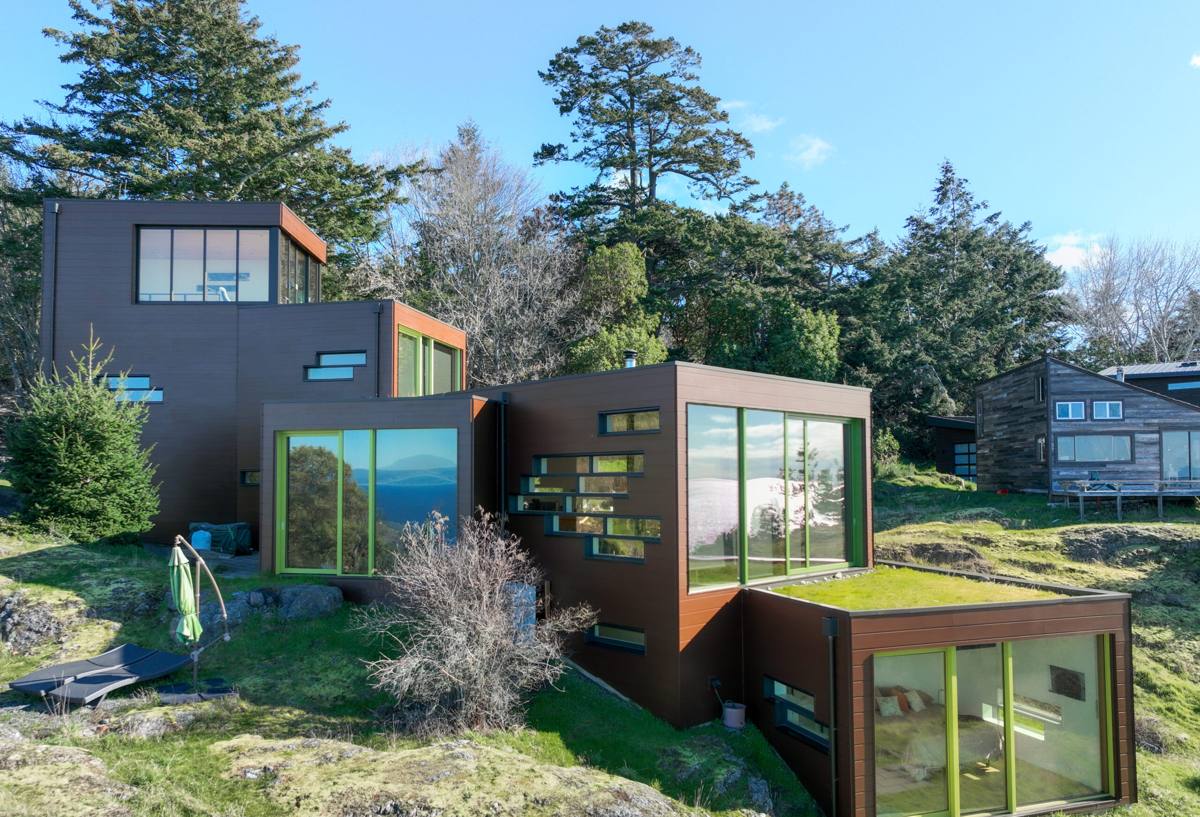
What Burlington Homes Specifically Need From a New-Construction Window Package
Wind and Rain Exposure
Skagit County's weather doesn't hit every lot the same way. Open, exposed sites around Burlington catch wind-driven rain that pushes water sideways against a wall, not just down it. That means flashing details and window selection matter more here than they would on a sheltered, tree-lined lot. We look at each site's exposure before recommending a window's performance rating — a house on an open field takes different water management than one tucked behind mature trees.
Long-Term Moisture and Moss
The long wet season that grows moss on roofs and north-facing siding also keeps window sills and exterior trim damp for extended stretches. Wood-clad windows and painted trim that aren't detailed with proper drainage paths will hold moisture against the frame, and that's where rot starts. New construction is the one time it's cheap and easy to build drainage gaps, sloped sills, and back-ventilated trim into the wall — retrofitting it later means tearing into finished siding.
Energy Code Compliance
Washington's energy code is strict, and it keeps getting stricter. New builds in Skagit County need to hit specific U-factor and solar heat gain targets, and those numbers get checked at permit and at final inspection. Window selection isn't just about looks or brand — it has to pencil out on the energy compliance worksheet the builder or designer submitted with the permit.
What a Correct New-Construction Window Install Actually Involves
A lot of the work that determines whether a window performs for 20+ years happens before the window is even set in the opening. Here's the sequence we follow and why each step matters:
- Rough opening check. We verify the opening is square, plumb, and sized correctly to the window's actual dimensions — not just the framer's plan number. Undersized or out-of-square openings cause installers to force windows, which stresses the frame and breaks the seal over time.
- Water-resistive barrier (WRB) integration. The house wrap or building paper has to be lapped correctly around the opening before the window goes in, so water is shed down and out, never trapped behind the window flange.
- Sill pan flashing. A sloped, sealed pan at the bottom of the opening gives any water that gets past the window a way out instead of a place to sit and soak into the framing.
- Window setting and shimming. The unit is set level, plumb, and square, then shimmed at the correct load points — not just at the corners — so the frame doesn't rack or bow.
- Flange and flashing tape sequencing. Side flanges, then head flashing, installed shingle-style (each layer overlapping the one below) so water always moves downward and outward, never into a seam.
- Interior and exterior sealant. Backer rod and the correct sealant type at the right joints — sealed where it needs to stop air and water, left open where the assembly needs to breathe and drain.
- Final inspection against manufacturer instructions. Every window manufacturer publishes its own installation instructions, and following them to the letter is what keeps the product warranty valid. We check our work against those instructions, not just against habit.
Choosing the Right Window for a Burlington New Build
There isn't one "best" window — there's the right window for the site, the budget, and the exposure. Here's how the common frame materials compare for new construction in this climate:
| Frame Material | Moisture Behavior | Maintenance | Typical Fit |
|---|---|---|---|
| Vinyl | Won't rot; handles damp climate well | Low — occasional cleaning | Best value, wide use in new builds |
| Fiberglass | Dimensionally stable, excellent in wet/wide temperature swings | Low | Higher-end new construction, larger openings |
| Wood (clad exterior) | Good if detailed and drained correctly; vulnerable if not | Higher — exterior clad helps, but sills and trim need attention | Traditional look, requires careful detailing here |
| Aluminum | Conducts cold, can condensate more in our damp winters | Low | Mostly commercial or specific architectural styles |
For most Burlington new-construction projects, we steer builders and homeowners toward vinyl or fiberglass for the balance of energy performance and low long-term maintenance in a climate that doesn't give exterior wood trim much of a break. If a design calls for a wood-look interior, that's achievable without putting bare wood on the weather side of the glass.
Cost Factors on a New Build
| Factor | Why It Moves the Price |
|---|---|
| Window count and size | More openings and larger units mean more material and labor hours |
| Frame material | Fiberglass and premium vinyl lines cost more than builder-grade vinyl |
| Performance glass package | Higher-performance low-E coatings and gas fills add cost but reduce energy bills and condensation |
| Site exposure | Open, wind-exposed lots may call for higher-rated units or extra flashing detail |
| Custom shapes or sizes | Non-standard openings require special orders and longer lead times |
Our Process for Builders and Homeowners
New construction runs on a schedule, and a window package that shows up late or wrong can stall an entire framing crew. Here's how we keep that from happening:
- Review plans and the energy code compliance worksheet before ordering, so the specified units actually meet code
- Confirm rough opening sizes against the window schedule before framing locks in dimensions
- Place orders early, accounting for manufacturer lead times, which can run several weeks for anything outside stock sizes
- Coordinate delivery timing with the builder's framing and dry-in schedule
- Install following manufacturer flashing instructions, sequenced correctly with the WRB and siding trades
- Walk the job with the builder or homeowner before siding closes in, while any adjustment is still easy to make
Working Around Other Trades
Window installation on a new build doesn't happen in isolation. It has to sequence correctly with the framer, the WRB/house wrap installer, and whoever's doing siding or exterior trim. We coordinate directly with builders and their trade schedules so the window opening is ready when we arrive, and so the siding crew isn't waiting on us — or covering up flashing work before it's been checked. Miscommunication between trades is one of the most common causes of new-construction water intrusion, and it's almost always avoidable with a phone call at the right time.
Why It's Worth Hiring a Crew That Already Works in Burlington and Skagit County
Anyone can install a window on a calm, dry day. The test is whether it holds up through a Skagit County winter — sideways rain, sustained damp stretches, and the freeze-thaw cycles that find every weak seam. We've done this work across Anacortes and the surrounding county long enough to know which details matter on which lots, what local building departments look for at inspection, and how to sequence with the builders and trades already working this area. That local familiarity is what turns a window install from "looks fine at closing" into a wall assembly that's still dry a decade later.
We also stand behind our own installation work separately from the manufacturer's product warranty, which matters more on a new build than almost anywhere else — if there's ever a question about whether an issue is a product defect or an installation issue, you want a contractor who's still around and willing to sort that out, not a crew that moved on to the next county.
Ready to Talk Through Your Build?
Whether you're a builder lining up a window package for a Burlington project or a homeowner working with your GC on window selection, we're happy to walk through the plans, the site exposure, and the code requirements before anything gets ordered. Reach out for a free, no-pressure estimate — there's no obligation, and it's the easiest way to catch a mismatched spec or a tight lead time before it becomes a schedule problem.