 Anacortes Window
 Why Guemes Island Puts Extra Demands on Windows
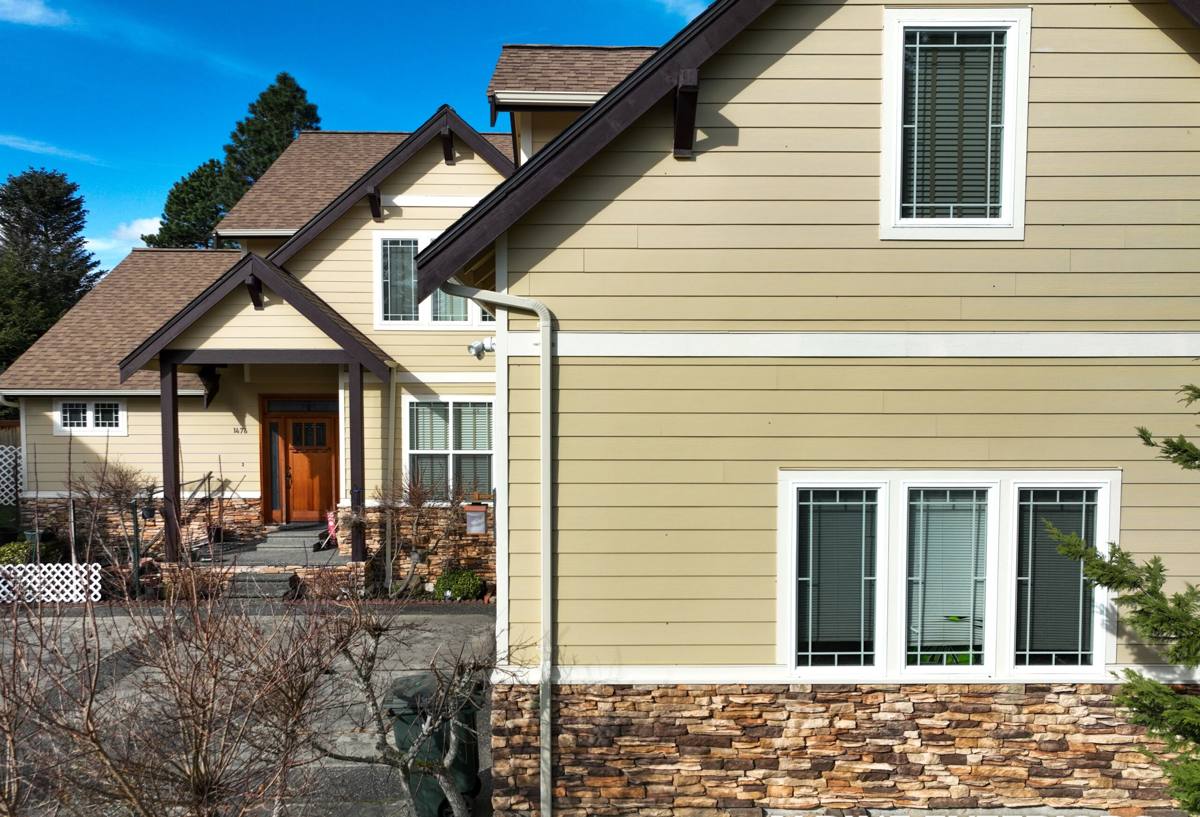
Guemes Island sits just across the channel from Anacortes, but it lives in a different weather world than a lot of mainland Skagit County. Homes here take on-shore salt air more or less constantly, catch driving rain off open water with little tree-line buffer in a lot of spots, and sit under a long, damp moss season that keeps north-facing surfaces wet for weeks at a stretch. Windows are one of the first building components to show the wear from that combination, and they show it earlier here than they would on a similar house set back in town.
None of this means island homes need exotic products or unusual construction. It means the installation has to be done with the actual exposure in mind — not a generic spec sheet — and the crew doing the work needs to understand what salt-laden, wet air does to seals, frames, and hardware over years, not just what looks right on install day.
What Salt Air, Rain, and Moss Actually Do to a Window
Frames and Hardware
Airborne salt is corrosive to metal hardware — hinges, locks, balance systems, and screws — even when the window itself is vinyl or fiberglass. On an island exposure, that corrosion shows up faster on unprotected or lower-grade hardware, leading to windows that get stiff to operate, locks that stick, and cranks or balances that fail years before the glass unit does.
Seals and Insulated Glass Units
Constant damp and driving rain put ongoing pressure on the seal around an insulated glass unit. Once a seal starts to fail, moisture works its way between the panes, and you get the fogging or condensation between the glass that no amount of cleaning fixes. That failure mode is common in older aluminum-framed windows and lower-end vinyl units that weren't detailed for a marine environment in the first place.
Moss and Organic Growth
Moss doesn't damage glass, but it does hold moisture against frames, sills, and trim far longer than the surrounding air would on its own. On shaded, north- or west-facing walls — common on wooded island lots — that trapped moisture accelerates wood rot at the sill and jamb, and it's often the trim and framing around a window that fail before the window unit itself does.
Signs a Guemes Island Home Needs Window Replacement, Not Just Repair
Repair makes sense for an isolated issue — a broken balance, a failed weep hole, a cracked pane. Replacement is the right call once the damage is systemic. Walk your exterior and check for these:
- Fogging or a milky haze between the panes of an insulated unit — the seal has failed and can't be restored
- Soft or spongy wood at the sill, jamb, or trim when pressed with a thumb
- Windows that are difficult to open, close, or lock, especially on walls facing open water or prevailing wind
- Visible corrosion or chalky white buildup on aluminum frames or hardware
- Persistent moss or dark staining at the sill that keeps returning after cleaning
- Noticeable draft or cold spots at the frame edge during wind events
- Rising heating bills without a clear cause elsewhere in the house
One or two of these on an otherwise solid window usually points to a repair. Several at once, especially combined with soft wood, is a sign the frame and seal are both past the point where patching makes sense.
Choosing Window Materials for Island Exposure
There's no single "right" window for every Guemes Island home — orientation, sun exposure, and how close a wall sits to open water all matter. But the trade-offs between common frame materials are worth understanding before you decide.
| Frame Material | Salt Air / Corrosion | Moisture Handling | Maintenance | Relative Cost |
|---|---|---|---|---|
| Vinyl | Does not corrode; hardware quality still matters | Good; no rot risk in the frame itself | Low — occasional cleaning | Lowest |
| Fiberglass | Excellent resistance, very stable in swings between wet and dry | Very good; minimal expansion/contraction | Low | Mid to higher |
| Aluminum | Prone to corrosion and pitting near salt air unless heavily coated | Conducts cold and moisture readily | Moderate to high near water | Mid |
| Wood / Wood-Clad | Vulnerable at any exposed or damaged cladding point | Needs consistent upkeep to prevent rot, especially in moss-prone shade | Highest | Higher |
Our standard recommendation for island jobs leans toward vinyl or fiberglass on exposed elevations, simply because they hold up with less ongoing maintenance in this specific climate. We're not against wood or aluminum windows — they have their place, and some homeowners want the look or already have cladding to match — but we're upfront that either one asks for more attention over time in a salt-air, high-moisture setting. That's a maintenance conversation we have honestly, not a sales pitch against a product.
What a Correct Installation Involves
Flashing and Water Management Come First
The window unit itself is only part of the job. The flashing, house wrap integration, and sill pan underneath it are what actually keep driving rain from working its way into the wall cavity over time. On a wall that takes wind-driven rain regularly, sloppy flashing detail is the single most common reason a "new" window still leaks or rots out early.
Sealants Rated for the Exposure
Not every exterior sealant holds up the same way under constant UV, salt, and moisture cycling. We use sealants and backer materials chosen for that combination, not just whatever's fastest to apply, and we pay attention to sill drainage so water that does get past the outer seal has somewhere to go instead of pooling against wood framing.
Hardware Selection
Where the budget allows, we favor corrosion-resistant hardware options on exposed elevations. It's a small cost difference upfront that pays off in years of smoother operation before locks or cranks need attention.
How We Handle Guemes Island Projects
Working on the island means building the ferry schedule into the plan from day one, not treating it as a surprise. Here's the general shape of a project:
- On-site assessment — we look at each window's exposure, the condition of the surrounding trim and framing, and note which elevations are taking the most weather.
- Material and product selection — matched to that specific wall's exposure, not a one-size-fits-all spec.
- Scheduling around the ferry — materials, crew, and equipment are staged so the trip over is used efficiently and the job isn't held up mid-install waiting on a missed sailing.
- Removal and flashing repair — old units come out carefully so we can inspect and correct any hidden rot or flashing damage before the new window goes in.
- Installation and sealing — set, shimmed, flashed, and sealed to the exposure the wall actually gets.
- Final walkthrough — operation, locks, and weatherproofing checked before we call it done.
Why Local, Island-Experienced Crews Matter Here
A contractor who only works in-town Anacortes or inland Skagit County jobs doesn't necessarily plan around a ferry schedule, doesn't necessarily stock enough material to cover an unplanned trip back for a forgotten part, and may not be thinking about salt-air hardware corrosion as a default consideration. None of that is a knock on general contractors — it's just a different set of habits that island work requires.
Crews who already work Guemes Island regularly build slack into scheduling, bring extra fasteners and sealant rated for the exposure as a matter of course, and know from repeated experience which elevations on island homes tend to take the worst of the wind and rain. That experience shows up in fewer callbacks and windows that perform the way they're supposed to for the long haul, not just on install day.
Cost Factors Specific to Island Window Jobs
Pricing for window replacement depends on the same core factors anywhere — window size, count, frame material, and glass package — plus a few considerations that are more relevant on Guemes Island specifically:
| Factor | Why It Affects Island Jobs |
|---|---|
| Logistics and ferry scheduling | Material delivery and crew transport need to be planned around sailings, which affects project timeline more than cost directly |
| Existing rot or hidden water damage | More common on long-exposed elevations; found during removal, addressed before the new unit goes in |
| Frame material choice | Vinyl and fiberglass typically cost less over the window's life than materials needing more upkeep in this climate |
| Access and site conditions | Waterfront lots, steep grades, and limited staging area can affect labor time |
We give straightforward, itemized estimates rather than vague ranges, so you know what you're paying for and why.
Get a Straight Answer on Your Windows
If your Guemes Island home is showing fogged glass, soft trim, stiff hardware, or drafts that weren't there a few years ago, it's worth a look before another wet season passes. We offer a free, no-pressure estimate — walk the exterior with us, get a plain assessment of what's actually needed, and decide from there. Fill out the form below to get started.