 Anacortes Window
 Roof Repair for a Shoreline Community Like Similk Beach
Similk Beach sits along the water on Fidalgo Island, close enough to Anacortes to be part of the same daily weather pattern but exposed in a way that plenty of inland Skagit County homes simply aren't. Roofs out here deal with salt-laden marine air, rain that comes in sideways during winter storms, and long stretches of shade and dampness under mature tree cover that never quite lets a roof dry out completely. None of that is unusual for this part of Washington, but the combination is harder on a roof than most homeowners realize until something starts leaking.
This page is specifically about roof repair — not a full tear-off and replacement — for homes in and around Similk Beach. Most of the calls we get from this area aren't about roofs that are worn out everywhere. They're about a specific leak, a specific soft spot, or a specific area of moss and wear that needs to be diagnosed and fixed correctly, without turning a $600 problem into a $16,000 one because the wrong thing got patched.
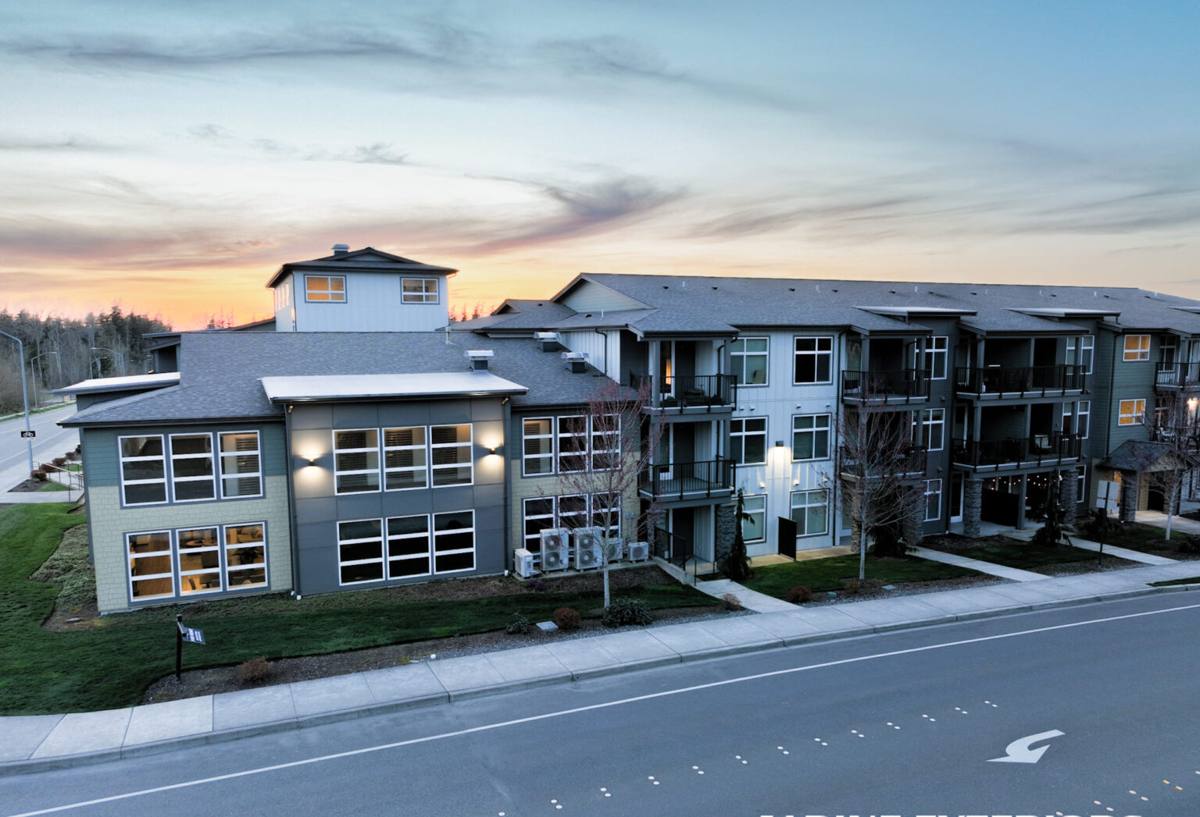
What Similk Beach's Climate Does to a Roof
Salt Air and Corrosion
Even set back from the shoreline, homes near Similk Beach get enough salt-carrying air off the water to accelerate corrosion on exposed metal — nail heads, flashing, gutter hardware, and any fastener that isn't rated for coastal exposure. Corrosion doesn't always announce itself. A rusting nail head or a thinning piece of flashing can look fine from the ground for years before it finally lets water through.
Wind-Driven Rain
Storms coming off the water don't just drop rain straight down — they push it sideways and up under shingle edges, into valleys, and around flashing details that would stay dry in a calmer, more sheltered setting. A roof that's holding up fine under normal rainfall can still leak during a wind event specifically because water is reaching places it was never designed to reach.
A Long Moss Season
Skagit County's mild, wet winters and cool, damp springs give moss a long window to take hold, and shaded or north-facing roof slopes near Similk Beach's tree cover are prime territory for it. Moss holds moisture against the roof surface far longer than bare shingles would on their own, and as it spreads under shingle tabs and around fasteners, it can lift material and open small gaps that let water in — long before the roof would otherwise be due for attention.
Shade, Humidity, and Slow Drying
Wooded lots that give Similk Beach its character also mean roofs here often don't get the direct sun exposure that dries a roof out quickly after rain. A roof plane that stays damp for days at a time after a storm is under more stress than the same roof would be on an open, sun-exposed lot, and it's a factor we weigh heavily when we're deciding whether a repair will actually hold.
Signs a Similk Beach Roof Needs Repair
- Water staining on an interior ceiling or in the attic, especially near a valley, chimney, or skylight
- Granules collecting in gutters or at downspout outlets, a sign shingles are wearing thinner than normal
- Visible moss or dark algae streaking on shaded or north-facing roof slopes
- Curling, cracked, or lifted shingle edges, particularly on slopes exposed to prevailing wind
- Daylight or gaps visible around flashing at chimneys, vents, or wall intersections
- A musty smell in the attic, which often points to trapped moisture before any staining shows
Where Leaks Actually Start (And Where They Don't)
Homeowners often assume a leak means the shingles themselves have failed, but on most repair calls near Similk Beach, the shingle field in the open areas of the roof is doing fine. The failure is almost always at a transition point — somewhere two materials or two roof planes meet.
Flashing at Valleys, Chimneys, and Wall Intersections
Valleys, chimney bases, and the point where a roof meets a wall are where two different water paths come together, and they depend entirely on flashing that's properly lapped and sealed. When that flashing was installed too tight, under-lapped, or simply caulked over instead of correctly integrated, it can look fine for years and then start leaking the moment a storm pushes rain at the right angle.
Pipe Boots and Roof Penetrations
Rubber boots around plumbing vents and other roof penetrations are one of the shortest-lived components on any roof — the rubber cracks and shrinks with age well before the surrounding shingles are due for replacement. A cracked pipe boot is a common, inexpensive repair, but it's also one of the most commonly missed sources of a slow, hard-to-trace leak.
Moss-Related Damage
Moss doesn't just sit on top of a roof. As it spreads, it can work under shingle tabs and lift them slightly, and its root structure holds moisture against the shingle surface and any exposed fasteners underneath. On older roofs with heavy moss buildup, we sometimes find granule loss and early shingle deterioration concentrated exactly where the moss growth has been thickest and longest-standing.
Repair or Replace? How We Make That Call
Not every roof problem we're called out for near Similk Beach needs a full replacement, and we don't default to recommending one. The honest answer depends on how localized the damage is, the age and condition of the rest of the roof, and whether the underlying deck is still sound.
| Condition | Repair Usually Makes Sense | Replacement Usually Makes Sense |
|---|---|---|
| Isolated leak at one valley or penetration | Yes — targeted flashing or boot repair | Only if surrounding shingles are also failing |
| Moss buildup on one or two slopes | Yes — removal, treatment, spot shingle repair | Rarely, unless shingles underneath are already compromised |
| Roof under 15 years old with a localized issue | Usually — the rest of the roof still has service life left | Uncommon at this age unless the install itself was flawed |
| Widespread granule loss and curling across multiple slopes | Rarely a lasting fix | Yes — the material itself is reaching the end of its life |
| Soft or spongy roof deck found during inspection | Only if damage is contained to a small, accessible area | Yes, if deck damage is widespread |
We'll tell you plainly which category a given roof falls into, including when a repair genuinely is the right call and a full replacement would just be spending more than the problem requires.
What a Correct Roof Repair Actually Involves
Diagnosing Before Patching
A repair that's worth paying for starts with finding the actual source of the problem, not just the spot where water is showing up inside the house. Water can travel a surprising distance along the underside of a roof deck or down a rafter before it appears as a stain on a ceiling, so we trace the path back to where water is actually getting in before we touch a shingle.
Matching Materials Correctly
A repair should blend into the existing roof, not stand out as an obvious patch. That means matching shingle profile and, as closely as possible, color and age-weathering — and being upfront when an exact match isn't available because a product line has been discontinued or the existing roof has weathered to a different shade than new material.
Fixing the Cause, Not Just the Symptom
Replacing a damaged shingle without correcting the flashing detail or moss buildup that caused the damage in the first place usually means the same repair gets needed again in a season or two, often in worse shape. Every repair we do addresses what actually caused the failure, whether that's a flashing lap that needs redoing, a boot that needs replacing, or moss that needs to be removed and treated at the source.
Checking Ventilation While We're Up There
A roof deck that can't breathe properly holds moisture longer from underneath, which shortens the life of shingles and feeds moss growth from below as much as weather does from above. When we're already on a roof for a repair, we take a look at attic ventilation and flag it if it's contributing to the problem, rather than treating it as a separate visit.
Our Repair Process
- In-person inspection: We walk the roof and check the attic from inside, tracing any leak to its actual source rather than guessing from the ground.
- Honest scope and estimate: You get a clear explanation of what's actually wrong, what it will take to fix it, and a written estimate before any work starts.
- Repair, not just patch: Flashing, boots, moss removal, or shingle replacement — whatever the diagnosis calls for — is done to the same standard we'd use on new construction, not a shortcut version because it's "just a repair."
- Verification: We check our work against the original leak path where possible, particularly on interior water stains, so you're not left wondering if it actually held.
- Cleanup: Old material, debris, and any moss removed from the roof is cleared away before we call the job done.
Why a Crew That Already Works Similk Beach Matters
Skagit County's coastal microclimates aren't uniform, and a shoreline, tree-covered community like Similk Beach has its own particular mix of salt exposure, wind direction, and shade that's different from a roof a few miles inland in Anacortes proper. A crew that repairs roofs in this specific area regularly already knows which slopes tend to hold moss the longest, which flashing details tend to fail first in this kind of wind exposure, and which fastener and material grades actually hold up here versus what's fine in a drier, more sheltered part of the county.
That familiarity also shows up in the estimate. A contractor who's worked this area before is less likely to miss a contributing factor — like a ventilation problem or a flashing detail that's marginal but not yet failing — because they've seen the same pattern on other Similk Beach roofs before.
Simple Maintenance That Extends a Repair's Life
- Have gutters and downspouts cleared at least once a year, more often if the property has heavy tree cover, so water isn't backing up under the roof edge
- Remove moss promptly when it appears rather than letting it spread across a full slope
- Trim back branches that keep a roof section in constant shade, since that shade is what keeps moisture sitting on the surface longest
- Do a visual check after any major wind storm for lifted shingles, displaced flashing, or debris caught in a valley
- Address a small leak or stain as soon as it appears — the cost difference between an early repair and deck damage from a leak left alone is significant
If you're dealing with a leak, moss buildup, or a roof that's just showing its age near Similk Beach, we're happy to come take an honest look. Reach out below for a free, no-pressure estimate — we'll tell you straight whether it's a repair or something bigger.