 Anacortes Window
 Ship Harbor sits close to open water on Fidalgo Island, and that proximity shapes everything about how siding should be chosen and installed there. Homes in this part of Anacortes take on a different kind of weathering than a house a few miles inland in Skagit County — more wind off the water, more salt in the air, more sustained dampness working its way into every seam and joint. Siding that's installed the same way it would be anywhere else doesn't hold up the same way here. This page covers what Ship Harbor siding installation actually requires, what a correct job looks like, and why our process is built around this specific stretch of coastline rather than a generic install.
Ship Harbor's Exposure Is Different From Inland Anacortes
A home a few blocks off the water gets some shelter from terrain, tree cover, and distance. A home closer to Ship Harbor doesn't get that buffer. Wind carries salt spray further onto exterior walls, rain arrives at more of an angle instead of falling straight down, and the extra humidity off the water keeps surfaces damp longer after a storm passes. None of that is dramatic on any single day, but it adds up year after year, and it's the reason siding failures in this part of Anacortes tend to show up sooner and in different places than they would on a sheltered inland lot.
That's also why we don't treat a Ship Harbor siding job as interchangeable with a job anywhere else in Skagit County. The material has to be right, the installation details have to account for wind-driven water, and the crew needs to already understand what this particular exposure does to a wall assembly over time.
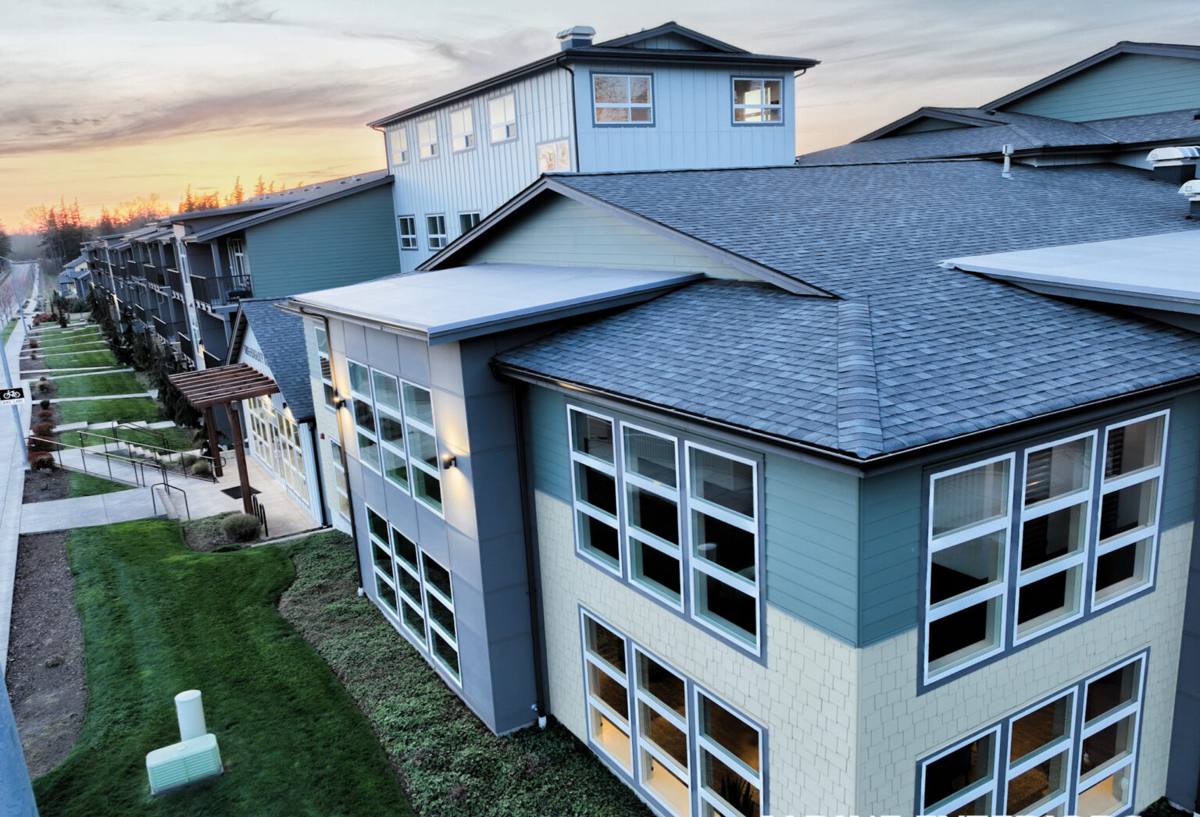
What Salt Air, Driving Rain, and Moss Season Do to Siding
Salt Air
Salt in the air isn't just corrosive to metal — it accelerates the breakdown of coatings, caulking, and lower-quality cladding materials over time. Fasteners, trim caps, and any exposed metal flashing take the brunt of it, which is why the fastener and flashing choices on a Ship Harbor home matter more than they would somewhere drier and further from the water.
Driving Rain
Wind off the water pushes rain sideways into a wall instead of letting it run straight down and off. That means water finds its way into laps, seams, and trim joints that would stay dry in a calmer setting. Siding systems that depend on gravity alone to shed water — or installations with sloppy gaps and clearances — are more exposed to this kind of wind-driven intrusion than a well-detailed system built for it.
Moss Season
Western Washington's moss season runs long, and shaded or north-facing walls near Ship Harbor stay damp for extended stretches because of the added moisture in the air off the water. Moss and mildew don't just look bad — sustained dampness against a wall is exactly the condition that punishes any siding material with weak moisture resistance or coatings that weren't built for it.
Why We Install Only James Hardie Fiber Cement Here
We install one siding product on Ship Harbor homes: James Hardie fiber cement. It's non-combustible, it doesn't swell, rot, or delaminate the way wood-based products can when they take on sustained moisture, and it's engineered with climate-specific HZ product lines built for exactly the kind of marine exposure this stretch of Anacortes deals with. Hardie's ColorPlus factory finish is baked on rather than field-applied, and it's backed by its own warranty against fading and chalking — a meaningful advantage against strong UV off the water and long gray, wet stretches that wear down lesser coatings faster.
We don't install vinyl, LP SmartSide, Cemplank, Allura, primed spruce, or cedar, and that's a deliberate standard, not a knock on every home that has one of those products on it. Vinyl is a loose-hung cladding that depends entirely on the barrier behind it to keep water out, which is a bigger liability in a wind-driven-rain environment. Wood and wood-based composites need consistent maintenance to resist moisture and moss in a climate that barely lets siding dry out between storms. Fiber cement from other manufacturers may use similar base materials, but we've standardized on Hardie specifically because of its factory finish, its climate-engineered lines, and its transferable warranty — and because getting very good at one system beats spreading expertise thin across several.
What a Correct Siding Installation Actually Involves
Prep and Moisture Management
Everything starts with what's behind the siding, not the siding itself. That means a properly lapped weather-resistant barrier, correctly flashed windows and doors, and attention to any spots where the old siding showed staining or soft sheathing before it ever gets covered up. Skipping this step is the single most common reason a siding job fails early, and it's invisible once the new siding goes up — which is exactly why it has to be done right the first time.
Fastening and Gaps
Hardie siding has manufacturer-specified fastener patterns, clearances, and gapping requirements, and those specs exist for a reason — they let the material handle expansion, contraction, and water drainage the way it's engineered to. In a wind-exposed location like Ship Harbor, cutting corners on gapping or using the wrong fastener spacing shows up faster than it would in a sheltered spot, because there's more water pressure working against every joint.
Trim, Flashing, and Caulking
Trim boards, corner details, and butt joints are where most siding leaks actually start. Correct flashing above windows, doors, and any horizontal trim, paired with the right caulking approach at joints exposed to driving rain, is what keeps water moving down and off the wall instead of finding its way behind the cladding. On a Ship Harbor home, we pay closer attention to west- and south-facing walls and any section that takes direct wind off the water, because those are the areas where a shortcut is most likely to turn into a callback.
Comparing Siding Materials for Ship Harbor's Climate
| Material | How It Handles Salt Air & Wind-Driven Rain | Maintenance in This Climate | Our Position |
|---|---|---|---|
| James Hardie fiber cement | Non-combustible, dimensionally stable, engineered HZ lines for marine exposure | Low — factory ColorPlus finish resists fading and chalking | What we install |
| Vinyl | Loose-hung; relies entirely on the barrier behind it, can become brittle over time | Low upkeep but no field refinishing once color fades | Not installed |
| Wood / cedar | Absorbs moisture, prone to rot and moss in sustained dampness | High — regular repainting and sealing required | Not installed |
| LP SmartSide / primed spruce | Wood-based composite; sensitive to moisture intrusion at cut edges and joints | Moderate to high, ongoing sealant vigilance | Not installed |
| Other fiber cement (Cemplank, Allura) | Similar base material to Hardie but different finish systems and warranty structure | Varies by finish and manufacturer | Not installed — standardized on Hardie |
Our Process for Ship Harbor Siding Projects
- Walk-around assessment — we inspect existing siding, trim, and any visible moisture damage, paying particular attention to the walls that take the most wind and rain off the water
- Honest scope and estimate — a written breakdown of what's failing due to age versus exposure, and what the project actually requires, with no pressure to commit on the spot
- Tear-off and inspection of sheathing — old siding comes off and we check the wall assembly underneath before anything new goes up
- Weather barrier and flashing installation — correctly lapped and sealed to manufacturer spec, with extra attention at windows, doors, and horizontal trim
- Hardie siding installation — fastened, gapped, and finished to manufacturer specifications, detailed for this location's wind and rain exposure
- Final walkthrough — we review the completed work with you and answer any questions about care and what to expect going forward
Signs Your Current Siding Is Losing the Battle
- Moss or dark streaking that keeps returning on shaded or north-facing walls
- Cracked, peeling, or chalky paint that doesn't hold a fresh coat the way it used to
- Soft or spongy spots when you press on siding or trim near the bottom of walls
- Staining or bubbling around window and door trim after a hard rain
- Warped, buckled, or separated panels, especially on walls facing the water
- Caulking that's cracked, shrunk, or pulled away from joints and trim
Why a Crew That Already Works Ship Harbor Matters
Anyone can quote a siding job off a set of photos. What's harder to fake is knowing, before the tear-off even starts, which walls on a Ship Harbor property are going to take the worst of a winter storm, which details tend to fail first in this specific exposure, and how much extra care the flashing and gapping need compared to a sheltered lot a few miles inland. That's knowledge that comes from working this stretch of Anacortes repeatedly, not from a spec sheet or a general contracting background.
It also shapes practical decisions on the job — material staging, weather timing during Skagit County's wetter months, and sequencing the work so that no part of the wall sits exposed to driving rain longer than it has to. A crew that's done this before in this exact location plans around those realities instead of learning them the hard way on your house.
What to Expect From an Estimate
We'll walk the exterior with you, point out what's original wear versus what's a real moisture or installation problem, and give you a straight answer on whether siding replacement makes sense now or can reasonably wait. If replacement is the right call, we'll explain exactly why James Hardie fiber cement is what we'd put on your home instead of the alternatives, and what the installation involves given your property's specific exposure.
If you own a home near Ship Harbor and you're seeing moss buildup, fading, soft trim, or water staining after storms, we're glad to take a look. Reach out for a free, no-pressure estimate — we'll give you an honest read on what your siding actually needs.