 Anacortes Window
 Metal Roofing Built for Ship Harbor's Conditions
Homes in Ship Harbor sit close enough to the water that the weather isn't an abstraction — it's a daily condition the roof has to work against. Salt-tinged marine air moves steadily off the water and settles on every exposed metal surface, working on fasteners, flashing, and panel edges long before anyone notices a problem. Rain in this part of Skagit County doesn't just fall, it gets driven sideways during the windier stretches of the year, testing every seam and lap in a roof system. And on shaded or north-facing slopes, a long moss season takes hold and lingers for months, feeding on moisture the roof can't shed fast enough. Metal roofing handles these conditions better than most materials when it's specified and installed correctly — but "metal roof" covers a wide range of quality, and the difference between a roof that performs for decades and one that develops problems within a few years usually comes down to details most homeowners never see.
This page is about what a correct metal roof install looks like specifically for a Ship Harbor home — the material choices that make sense here, the installation details that matter given the local climate, and how we run a metal roofing project from first inspection to final walkthrough.
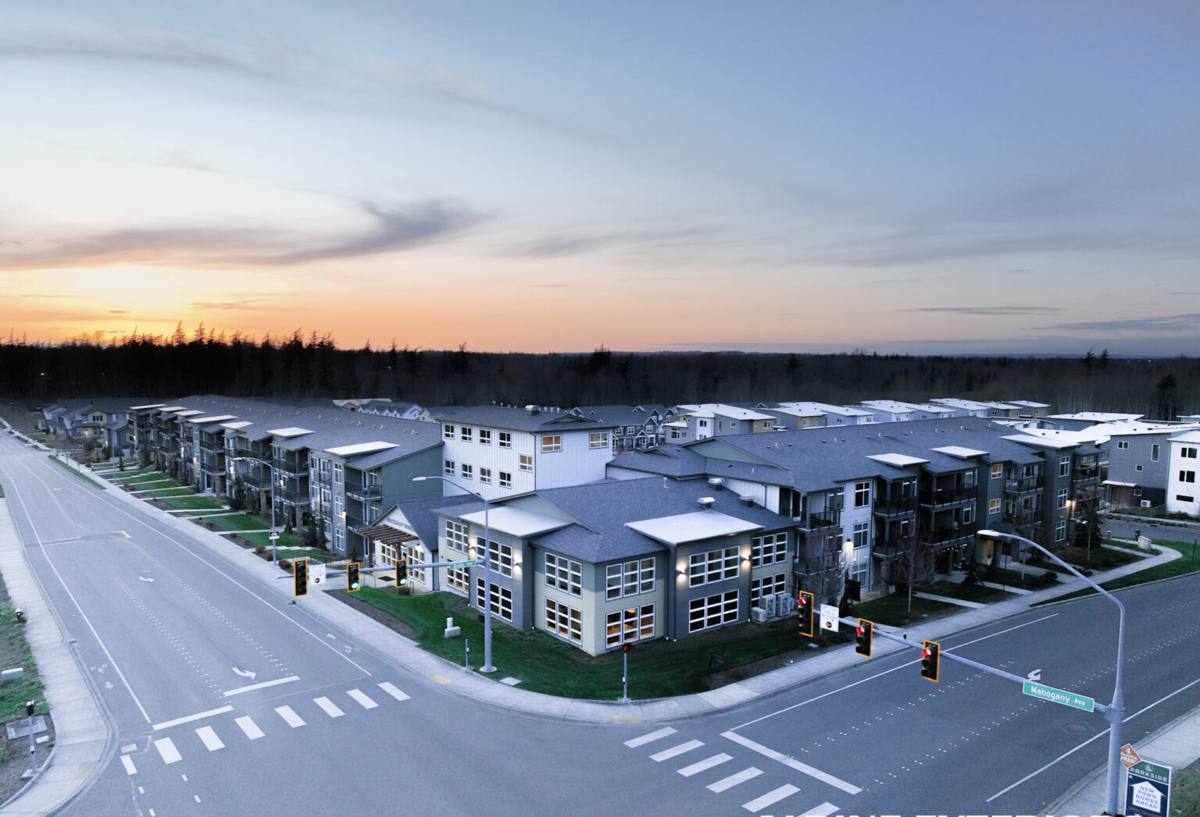
Why Metal Roofing Fits This Location
Metal roofing has real, practical advantages for a coastal property in this area. A quality metal roof sheds wind-driven rain more reliably than a shingled surface because it has far fewer seams and no shingle tabs for water to work under. It doesn't hold moisture against its own surface the way a porous material can, which matters directly in a climate where moss and algae growth is a year-round concern rather than a seasonal one. And a properly coated, correctly fastened metal roof typically outlasts asphalt shingles by decades, which changes the long-term cost math even though the upfront number is higher.
None of that happens automatically just because the material is metal. Panel gauge, coating quality, fastener type, and how the underlayment and flashing system is built underneath the panels all determine whether a metal roof actually delivers on that durability, or whether it develops galvanic corrosion, fastener backout, or leaks at penetrations within the first decade.
What Ship Harbor's Climate Actually Demands
- Corrosion-resistant panel coatings and fasteners: Salt-laden air accelerates corrosion on unprotected or mismatched metal, and a rusting fastener or panel edge is one of the more common sources of long-term trouble on coastal metal roofs.
- Compatible metal types throughout the system: Mixing incompatible metals — for example, the wrong fastener alloy against a given panel material — sets up galvanic corrosion that can eat through metal from the inside of the connection outward, often invisibly until it's advanced.
- A real underlayment system, not just panels: Wind-driven rain can work its way under panel laps in exposed conditions, so what's underneath the metal matters as much as the metal itself.
- Panel profiles that shed moisture and debris: On shaded slopes where moss pressure is high, a panel profile and seam design that doesn't trap organic debris and standing moisture makes a measurable difference over time.
What a Correct Metal Roof Install Involves
A metal roof is a system, not just a surface. Each layer underneath the visible panels is doing specific work, and skipping or shortcutting any one of them undermines the whole roof's performance regardless of how good the metal itself is.
Deck Inspection and Prep
Before any panel goes down, the roof deck needs to be sound — free of rot, soft spots, and hidden moisture damage that may have developed under a previous roofing layer. Installing a metal roof over a compromised deck just seals existing problems under a new surface instead of fixing them.
Underlayment
A high-temperature-rated synthetic underlayment gives the deck a real secondary water barrier, which matters in a climate where wind-driven rain routinely gets forced against panel laps and penetrations rather than simply sheeting off. In valleys, at eaves, and around penetrations, additional membrane protection is standard practice, not an upsell.
Fastening and Panel Compatibility
Fastener spacing, type, and placement need to follow manufacturer specification for the specific panel system being installed, and the fastener material needs to be compatible with the panel metal to avoid galvanic corrosion at every connection point. This is one of the details that separates a roof installed by a crew that works with metal regularly from one installed by a crew more comfortable with shingles taking on an unfamiliar material.
Flashing at Valleys, Chimneys, and Wall Transitions
Most leaks on any roof, metal included, start at flashing rather than the open field of the roof. Valleys, chimney and vent penetrations, and the transitions where a roofline meets a wall all need flashing that's integrated with the panel system and underlayment as part of the original install, not caulked as an afterthought once panels are already down.
Panel Seaming and Edge Detail
How panel seams are formed and how panel edges are finished at eaves and rakes affects both water shedding performance and wind resistance. On an exposed property, loose or improperly formed seams are where wind uplift and water intrusion both tend to start first.
Comparing Metal Roofing Options for a Ship Harbor Home
| Metal Roof Type | Typical Lifespan | Fit for Ship Harbor Conditions |
|---|---|---|
| Exposed-Fastener Panel | 25-35 years | Lower upfront cost; exposed fasteners require periodic inspection and eventual re-tightening or replacement as gaskets age |
| Standing Seam Panel | 40-60+ years | Concealed fasteners and interlocking seams handle wind-driven rain and coastal exposure better; the stronger long-term fit for this location |
| Stone-Coated Steel | 30-50 years | Heavier profile with a textured appearance; performs well but adds cost and installation complexity |
Standing seam is generally the better match for a coastal property in Ship Harbor because its concealed fastener design and interlocking seams reduce the number of exposed penetration points that salt air and driving rain can work on over the years. Exposed-fastener panel systems can still perform well and cost less upfront, but they come with a longer-term maintenance expectation that's worth understanding before you choose based on price alone.
Cost Factors Worth Understanding
Metal roofing bids can vary widely even when they're quoting the same general product category, and the gap is almost always driven by real differences in scope and materials rather than one contractor simply charging more for the same job.
| Factor | What It Affects |
|---|---|
| Panel type and profile | Exposed-fastener vs. standing seam changes both material cost and long-term maintenance needs |
| Panel gauge and coating | Thicker gauge and higher-grade coatings resist corrosion and denting longer in coastal air |
| Underlayment grade | How well the roof resists wind-driven rain reaching the deck under panel laps |
| Flashing scope | How thoroughly valleys, penetrations, and wall transitions are addressed |
| Roof complexity and pitch | More valleys, penetrations, and steeper pitches increase labor time and staging needs |
| Tear-off vs. install over existing roof | Whether deck condition gets verified and repaired before new panels go down |
An itemized estimate that separates these components tells you far more than a single bottom-line figure. It's worth asking any roofer to walk through exactly what panel system, underlayment, and flashing scope is included before comparing two bids side by side.
How Our Process Works
Metal roofing is a bigger investment than most home projects, and it deserves a process that's clear at every step rather than surprises after the contract is signed.
- In-person inspection: We walk the roof and attic ourselves and document deck condition, existing flashing, and ventilation before recommending a system.
- Written estimate: You receive an itemized bid covering deck prep, underlayment, panel type and gauge, flashing, and cleanup — not a single vague number.
- Scheduling around weather: We build realistic flexibility into the timeline, since wet-season delays are a normal part of working on this coastline rather than an excuse we lean on later.
- Deck prep and repair: Any rot or soft decking we find gets addressed before underlayment or panels go on.
- Underlayment, flashing, and panel installation: Each layer is installed to manufacturer specification, with particular attention at valleys, penetrations, and wall transitions.
- Final walkthrough: We review the finished roof with you in person and do a full site cleanup before considering the job complete.
Why Hiring a Crew That Already Works in Ship Harbor Matters
A crew that regularly installs roofs in and around Ship Harbor has already seen how salt air accelerates corrosion on undersized fasteners, how wind-driven rain finds its way through poorly integrated flashing, and which roof orientations hold moss longest through the wet months. That experience shows up in the small decisions made throughout a job — decisions a crew unfamiliar with this specific stretch of Anacortes waterfront might not think to make at all.
It also matters after the job is finished. A workmanship warranty is only as good as the company standing behind it years down the road, and a contractor with an ongoing, established presence in the area is one you can actually reach if a question comes up later, rather than a name that's moved on.
A Practical Checklist Before You Choose a Metal Roofing Contractor
- Do they specify panel type, gauge, and coating in writing, not just "metal roof"?
- Does the estimate call out underlayment grade and flashing scope separately?
- Do they confirm fastener and panel metal compatibility to avoid galvanic corrosion?
- Do they carry current WA contractor licensing, liability insurance, and workers' compensation?
- Can they point to recent, real metal roofing work in or near Ship Harbor and Anacortes?
- Does the bid clearly separate the manufacturer's material warranty from the contractor's own workmanship warranty?
Signs Your Ship Harbor Roof May Need Attention
Metal roofs give warning signs before they fail outright, and catching them early is often the difference between a targeted repair and a full replacement.
- Visible rust streaking at fasteners, seams, or panel edges, especially on older exposed-fastener systems
- Loose or backed-out fasteners, which allow water intrusion at panel penetrations
- Moss or organic buildup collecting in valleys or along panel seams on shaded slopes
- Water staining on interior ceilings or in the attic, particularly near flashing details
- Panel oil-canning or visible movement that suggests the underlying fastening system has loosened
If any of this looks familiar, it's worth having the roof inspected before the next round of heavy weather rather than waiting for a leak to force the timeline.
If you'd like an honest, no-pressure look at your Ship Harbor roof and a written estimate you can actually compare against anything else you've received, we're glad to come take a look. Use the form below to request a free estimate.