 Anacortes Window
 Building a Deck That Can Actually Handle Ship Harbor's Weather
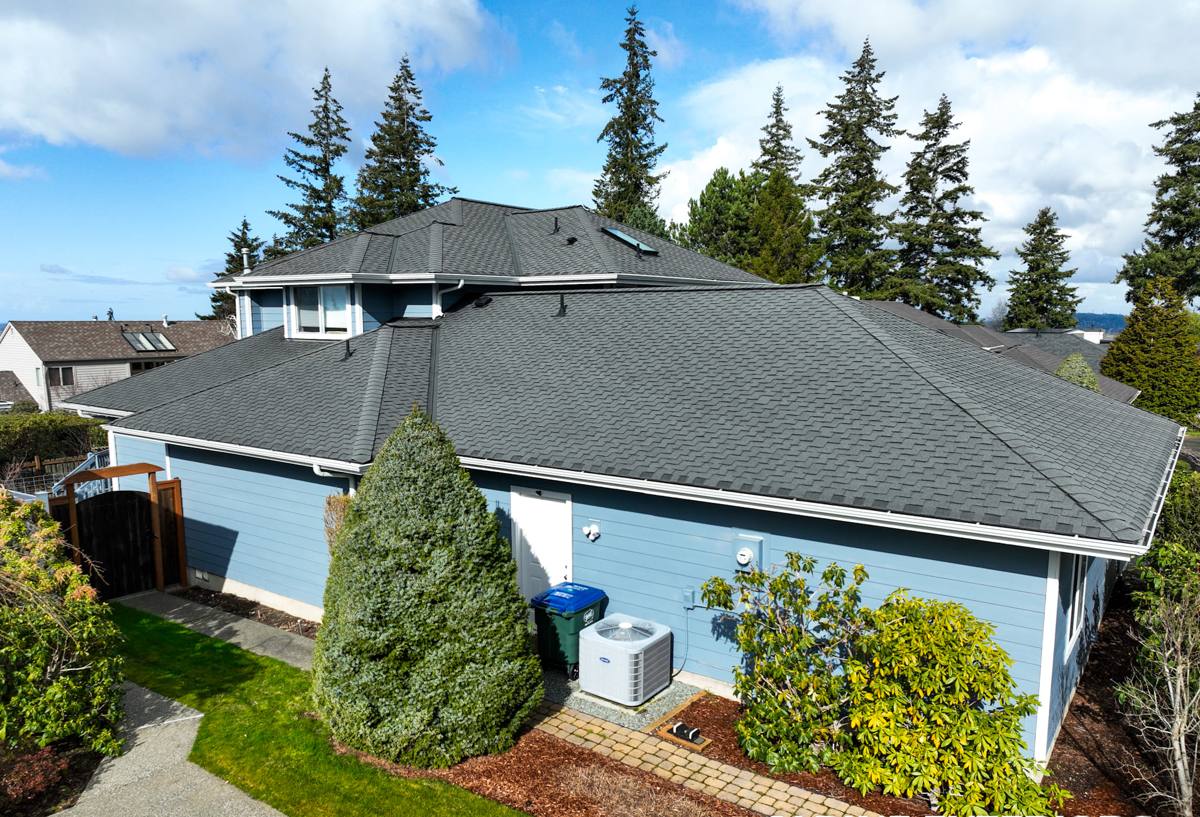
Ship Harbor sits close enough to the water that homes here deal with a different set of conditions than a deck built a few miles inland in Skagit County. Salt-laden air moves in off the water, rain comes in sideways during winter storms, and the tree cover that makes this part of Anacortes so pleasant also means a lot of shade — which means moss, algae, and slow-drying wood almost year-round. A deck built with generic, big-box specs might look fine for a season or two, but the marine climate here finds every weak point eventually: unsealed end grain, undersized fasteners, ledger boards without proper flashing, and railings that trap water instead of shedding it.
We build decks specifically with this environment in mind — not as an afterthought, but as the starting point for material choices, framing details, and fastener selection. A deck that's built for Spokane or Eastern Washington's dry climate is not the same deck that belongs in Ship Harbor.
What Salt Air, Driving Rain, and Moss Actually Do to a Deck
It helps to understand the specific failure modes we're designing against, because they're different from what most homeowners expect.
Salt Air and Metal Corrosion
Airborne salt accelerates corrosion on anything metal — fasteners, joist hangers, post bases, and railing hardware. Standard zinc-coated screws and nails can start rusting within a couple of seasons this close to the water, which weakens connections long before the wood itself shows any damage. This is why fastener spec matters as much as decking material.
Wind-Driven Rain and Hidden Moisture
Rain in this area doesn't just fall — wind pushes it sideways and up under rail caps, into fascia joints, and behind ledger boards where they meet the house. Once moisture gets behind a board or into a framing connection and can't dry out quickly, rot starts from the inside, which is exactly why so many deck failures go unnoticed until a board or post is already compromised.
Moss, Algae, and Trapped Moisture
Shaded, damp surfaces grow moss and algae readily in this climate, and once it takes hold on a deck surface it holds moisture against the wood or composite cap, slows drying, and creates a genuinely slippery walking surface. Board spacing, airflow underneath the deck, and surface texture all affect how much of a moss problem a given deck will have.
Choosing the Right Decking Material for Ship Harbor
There's no single "best" decking material — the right choice depends on how much maintenance you want to do, your budget, and how much shade and moisture exposure the deck's location gets.
Composite Decking
Capped composite boards resist moisture absorption and don't need staining or sealing, which is a real advantage in a climate where wood needs regular upkeep to hold up. The trade-off is a higher upfront cost and a surface that, like anything else, still needs periodic cleaning to keep moss and algae from building a foothold, especially in shaded spots.
Cedar and Other Wood Decking
Cedar has natural rot resistance and a look a lot of homeowners want, but it's not maintenance-free — it needs re-staining or sealing every couple of years in this climate to keep water from working into the grain, and end grain and fastener holes need extra attention. We're honest with clients that wood decking here is a genuine time commitment, not a "set it and forget it" choice.
PVC and Vinyl Decking
Fully synthetic decking sheds water completely and won't rot, which sounds ideal for a marine climate. The trade-offs are a more plastic appearance, higher cost, and the fact that surface scratches and gouges are more visible and harder to blend than on wood-grain composite. It's a solid option for some homeowners and the wrong look for others — we'll walk through samples rather than push one product.
| Material | Moisture Resistance | Maintenance | Typical Lifespan | Relative Cost |
|---|---|---|---|---|
| Capped Composite | High | Occasional wash | 25–30+ years | Mid-High |
| Cedar | Moderate (needs sealing) | Re-stain every 2–3 years | 15–20 years with upkeep | Mid |
| Pressure-Treated Lumber | Moderate | Stain/seal regularly | 10–15 years | Low |
| PVC/Vinyl | Very High | Occasional wash | 25–30+ years | High |
Framing and Substructure: Where Most Deck Problems Actually Start
The decking surface gets all the attention, but the framing underneath is what determines whether a deck lasts fifteen years or thirty-five. In a climate this wet, a few details matter more than they would elsewhere:
- Ledger board flashing that properly directs water away from the house band joist, not just a bead of caulk
- Stainless or heavy-duty coated fasteners and joist hangers rated for exterior and coastal exposure
- Footings set to proper depth for our soil and frost conditions, not just poured to code minimums
- Post bases that hold the post above grade and standing water rather than embedding wood directly in soil or concrete
- Joist spacing and blocking sized for the actual decking material, since composite and wood have different span requirements
A deck can look finished and still be quietly failing underneath if these details were rushed. This is the part of the job that doesn't show up in photos but determines whether you're calling someone back in five years.
Our Deck Building Process in Ship Harbor
Site Assessment and Design
We start by looking at sun and shade patterns, prevailing wind and rain exposure, drainage on the lot, and how the deck will connect to the house. A deck tucked under tree cover needs different spacing and material choices than one that gets more open exposure.
Permitting
Deck permitting requirements depend on height, size, and attachment to the structure, and the City of Anacortes has its own permit process for residential decks. We handle the permit application and inspections as part of the job so you're not the one tracking down requirements.
Framing and Fastening
This is where we apply the corrosion-resistant hardware and flashing details covered above — not as an upsell, but as the baseline for anything we build in this area.
Decking Installation
Board spacing, fastening pattern, and orientation all affect drainage and drying time. We install to the manufacturer's specifications for whichever material you choose, since warranty coverage often depends on it.
Railings and Finishing Details
Railings and guards are code-required at certain heights, and we build them to shed water rather than pool it at rail caps and post connections, which is one of the more common places we see rot on older decks in this area.
Drainage, Grading, and the Space Under the Deck
What happens under and around a deck matters almost as much as what's on top of it. Poor grading next to the house can send water toward the deck's structural connections instead of away from them, and a deck built tight to the ground with no airflow underneath stays damp far longer after rain, which feeds moss and speeds up rot in the framing. We grade for drainage and leave appropriate clearance and ventilation underneath so the structure actually gets a chance to dry between the rainy stretches that define a Pacific Northwest fall and winter.
Maintenance Checklist for a Ship Harbor Deck
Whatever material you choose, a little seasonal attention goes a long way in this climate:
- Sweep debris and standing leaves off the deck regularly, especially in shaded areas
- Wash the surface once or twice a year to remove early moss and algae growth before it takes hold
- Check railing connections and fasteners annually for early signs of corrosion
- Inspect the ledger board and flashing where the deck meets the house for gaps or water staining
- Re-stain or reseal wood decking on the schedule the product calls for — don't wait until it looks dry
- Confirm gaps between boards stay clear so water and debris can actually drain through
Why Hiring a Crew That Already Works in Ship Harbor Matters
Deck building isn't the same job everywhere. A crew that mostly works drier, inland areas may not default to marine-grade hardware or think twice about ledger flashing, because it's never bitten them before. Working regularly in and around Anacortes and the rest of Skagit County means we've seen how salt air, shade, and driving rain actually play out on real decks over time — which boards hold up, which fastener choices cause callbacks, and which framing shortcuts show up as problems five winters later. That local pattern recognition is hard to replace with a generic spec sheet.
If you're planning a new deck or replacing one that's showing its age, we're happy to take a look and put together a straightforward, no-pressure estimate — just fill out the form below and we'll get in touch.