 Anacortes Window
 Board & Batten Siding Built for Ship Harbor's Waterfront Exposure
Ship Harbor sits close enough to the water that homes here take weather most Skagit County properties never see. Wind comes off Rosario Strait with real force, rain arrives sideways more often than straight down, and the salt content in the air stays elevated year-round. Add a wet, shaded winter season that keeps moss and algae growing on north and west-facing walls for months at a time, and you've got one of the tougher siding environments in Anacortes. Board and batten is a popular choice out here because the vertical lines and strong shadow pattern suit the area's craftsman and modern-farmhouse homes, but the style only holds up if the material underneath it and the installation behind it are built for this specific exposure.
This page covers what board and batten siding needs to survive in Ship Harbor, what a correct installation actually involves, and why we install it exclusively in James Hardie fiber cement rather than wood, vinyl, or engineered wood alternatives.
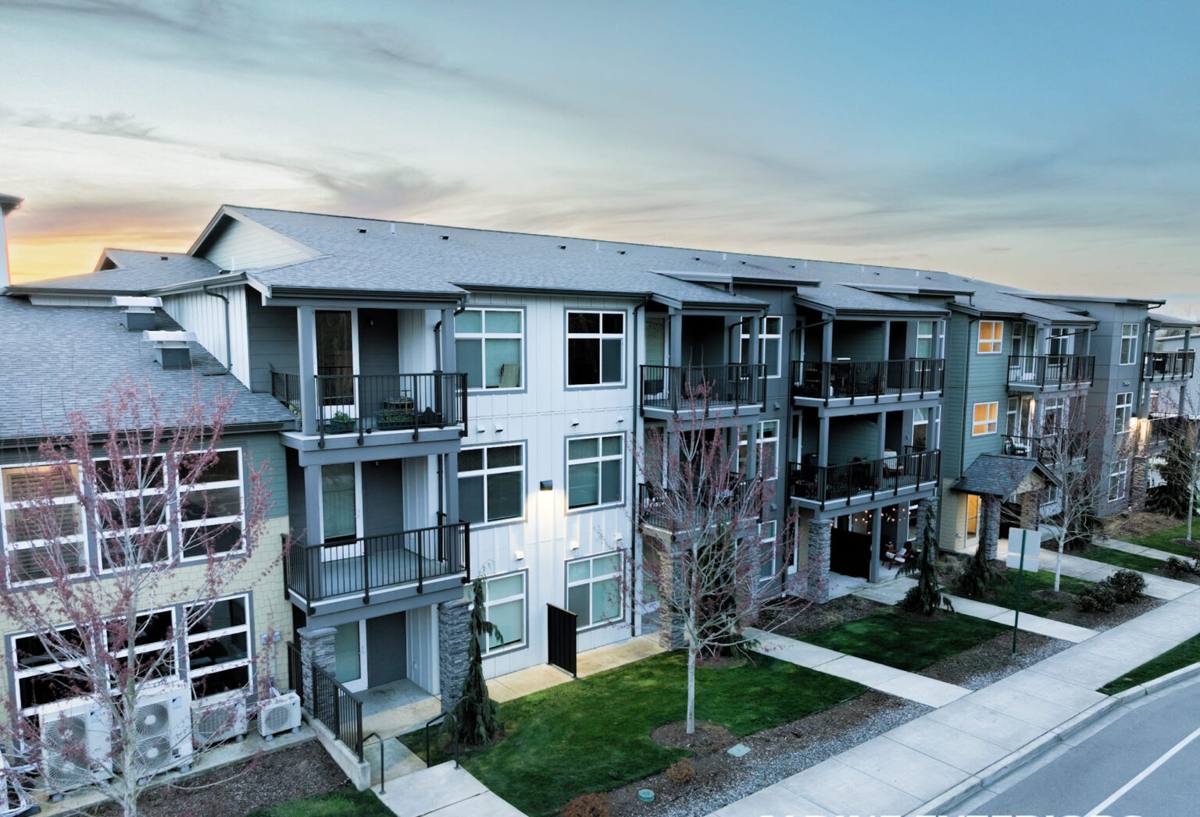
What Salt Air, Driving Rain, and Moss Season Do to Vertical Siding
Salt Air
Airborne salt is corrosive to fasteners and hard on paint film. On a board and batten wall, the battens themselves create dozens of extra seams and fastener rows compared to lap siding, which means more opportunities for salt-laden moisture to work into a joint if the wrong fastener or the wrong caulk was used. Over time, salt exposure also chalks and dulls cheaper paint finishes faster than inland homes ever experience.
Driving Rain
Vertical board and batten relies on its battens to shed water down the face of the wall rather than let it sit in horizontal joints. That works well in a light rain. In wind-driven rain — which is routine near the water in Ship Harbor — water gets pushed sideways and can be forced up under battens or through gaps that were cut too tight or caulked instead of properly flashed. The siding needs a drainage plane behind it that can handle water that gets past the face, not just a material that looks good when dry.
Moss Season
Anacortes winters mean long stretches of shade, moisture, and mild temperatures — ideal conditions for moss and algae. On wood-based sidings, that growth holds moisture directly against the material and accelerates rot, especially at the base of battens and in end grain. A material that doesn't absorb water in the first place limits how much damage that growth can actually do, even if it isn't cleaned off right away.
What a Correct Board & Batten Installation Requires
Board and batten looks simple from the street, but it has more failure points than standard lap siding if it's rushed. A correct installation on a Ship Harbor home includes:
- A code-compliant water-resistive barrier installed shingle-style behind the siding, with all seams and penetrations properly sealed
- A rainscreen gap (typically furring strips) between the barrier and the siding panel so any water that gets past the face can drain and the wall can dry
- Correct batten spacing and fastening into structural framing, not just into the sheathing or the underlying panel
- Stainless steel or hot-dip galvanized fasteners rated for coastal/marine exposure — not standard-grade fasteners that will corrode faster in salt air
- Proper flashing at every window, door, deck ledger, and roof-to-wall transition — these are the spots where poorly installed board and batten fails first
- Factory-finished panels wherever possible, since field-painted cut edges and joints are the weakest point in any siding system over time
Skip any one of these and the siding may look fine for a year or two before the underlying wall assembly starts trapping moisture — usually discovered only after paint failure or soft trim shows up.
Why We Install James Hardie Board & Batten — and Nothing Else
We don't install LP SmartSide, vinyl board and batten, Cemplank, Allura, or primed wood board and batten. That's a deliberate standard, not a limitation in what we're capable of installing. Each of those products has real strengths — engineered wood is lighter and easier to handle, vinyl is inexpensive, primed wood has a traditional look many homeowners like — but each also carries trade-offs that show up specifically in an environment like Ship Harbor's: engineered wood remains wood-based and depends entirely on caulk and paint maintenance to keep moisture out; vinyl can warp and fade under UV and temperature swings and its seams are a weak point in wind-driven rain; primed wood requires the most ongoing maintenance of any option and is the most vulnerable to the area's moss and rot conditions.
James Hardie fiber cement is non-combustible, dimensionally stable in wet-dry cycling, and doesn't feed moss or rot the way wood-based products can. Hardie's HZ5 product line is engineered for cold, wet Pacific Northwest climates specifically, and the ColorPlus factory finish is baked on under controlled conditions rather than applied on site — which matters a great deal on a board and batten wall where field-painted joints are usually the first thing to fail. It also carries a strong transferable warranty when installed to Hardie's specifications, which protects the investment if the home changes hands.
Comparing Board & Batten Materials for a Home Like Yours
| Material | Moisture Behavior | Maintenance | Fire Rating | Typical Lifespan (PNW coastal) |
|---|---|---|---|---|
| James Hardie fiber cement | Dimensionally stable, does not swell or rot | Low — occasional wash | Non-combustible | 30+ years |
| Engineered wood (LP-type) | Wood-based; vulnerable if coating fails | Moderate — coating upkeep | Combustible | 15–25 years |
| Vinyl | Doesn't rot, but seams can leak; warps with heat/cold | Low | Combustible | 15–25 years |
| Primed wood/cedar | Absorbs moisture; prone to rot and moss | High — repainting/sealing cycle | Combustible | 10–20 years, more with heavy upkeep |
Lifespan figures are general ranges for coastal Pacific Northwest exposure, not warranty terms — actual performance depends heavily on installation quality and upkeep regardless of material.
Our Process, Start to Finish
Assessment
We start by walking the home and looking specifically at how it's oriented to wind and rain, where the existing siding or sheathing shows moisture damage, and where flashing details around windows, decks, and rooflines need attention before new siding goes on.
Prep and Water Management
Any compromised sheathing or framing gets addressed before siding starts — covering it up is how small problems become expensive ones. We install the water-resistive barrier and rainscreen gap correctly the first time, since this layer is invisible once the job is done but does most of the long-term work.
Installation
Panels and battens go up with coastal-rated fasteners, correct spacing, and flashing integrated at every penetration and transition. We follow James Hardie's published installation specifications, which is what keeps the manufacturer's warranty intact.
Finish and Walkthrough
We check caulking, trim, and touch-up work, then walk the exterior with you so you know what to expect from the finish and how little maintenance it will actually require going forward.
Living With Board & Batten in Ship Harbor
A well-installed Hardie board and batten wall in this area doesn't need much, but a little seasonal attention keeps it looking sharp longer:
- Rinse the exterior once or twice a year, focusing on north- and west-facing walls where moss and salt residue build up fastest
- Keep gutters clear so overflow doesn't run down the siding face repeatedly in the same spot
- Trim back vegetation and tree cover that keeps any section of wall shaded and damp longer than the rest of the house
- Have caulking at trim and penetrations checked every few years, since caulk is the one component that wears out before the siding itself does
- Address any soft trim, staining, or paint issues on nearby wood elements early, before moisture has a chance to reach the wall assembly behind the siding
Why Local Experience in Ship Harbor Matters
Anacortes and greater Skagit County have enough microclimates that a crew's experience in one neighborhood doesn't always translate cleanly to another. Ship Harbor's direct water exposure, wind patterns, and moss-heavy shaded lots call for judgment calls a contractor only gets right consistently after working the area — where to add extra flashing attention, which orientations need the most rainscreen ventilation, and how aggressively to detail joints on the walls that take the worst weather. A crew that already knows this stretch of the county isn't guessing at those decisions; they're applying what's already worked on homes nearby.
If you're considering board and batten siding for a home in Ship Harbor, we're happy to take a look and talk through what your specific home needs — no pressure, no obligation. Use the form below to request a free estimate.