 Anacortes Window
 Skyline's Roofs Work Harder Than Most People Realize
The Skyline neighborhood sits up on elevated ground with open exposure toward the water, which is part of what makes it a desirable place to live — and part of what makes roof maintenance a bigger deal here than it is a few miles inland. Homes in this part of Anacortes take a steady diet of salt-laden air off the Sound, wind-driven rain that finds its way under anything loose, and a moss season that can run from fall through spring in Skagit County's mild, wet climate. None of that is dramatic on its own. It's the accumulation over years that turns a small, ignorable issue into a leak, a rotted deck board, or a ceiling stain.
A roof repair on a Skyline home isn't just patching a shingle. It's understanding how salt air accelerates corrosion on fasteners and flashing, how prevailing wind direction pushes rain into laps and seams that would stay dry in a calmer spot, and how moss growth on north-facing and shaded slopes holds moisture against the roofing material long after the rain has stopped. Repairs that don't account for those specifics tend to come back.
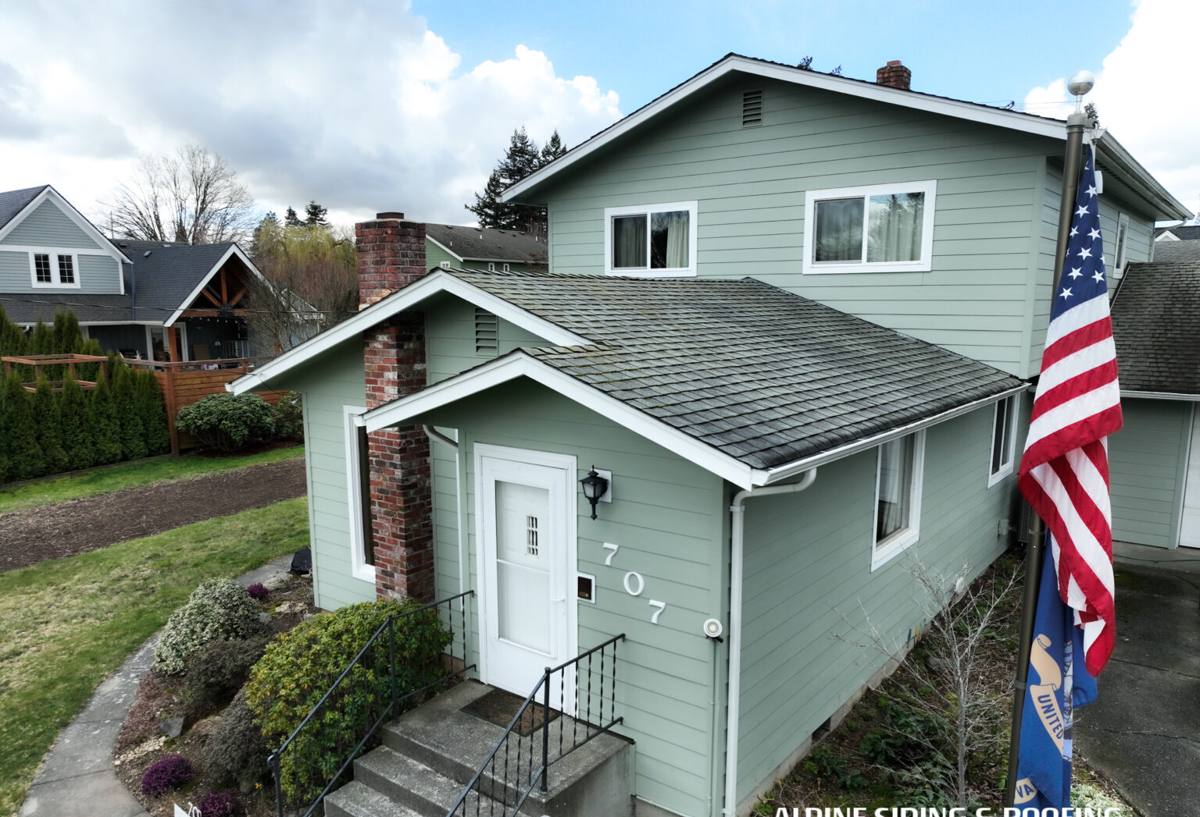
What Actually Causes Roof Repair Calls in This Area
Salt Air and Metal Fatigue
Exposed metal — nail heads, flashing, vent boots, gutter hardware — corrodes faster near the water than it does even a short distance inland. Once a fastener starts to rust, it loses its grip on the roofing material, and a nail that's backed out even a sixteenth of an inch is an open door for water. This is one of the most common root causes we find on repair calls in this neighborhood, and it's often overlooked because the shingles themselves still look fine.
Wind-Driven Rain
Rain that falls straight down is easy for a roof to shed. Rain that's pushed sideways by wind off the water behaves differently — it works its way under shingle tabs, around chimney and skylight flashing, and into any gap that a calmer climate would never test. Elevated, exposed lots like the ones common in Skyline see more of this than sheltered lots do.
Moss and Trapped Moisture
Skagit County's long, mild, wet stretch of the year is close to ideal growing conditions for moss. Once moss establishes on a roof, it holds water against the surface, works into the granule layer on asphalt shingles, and can lift edges enough for wind and rain to get underneath. Left alone long enough, moss growth turns a cosmetic issue into a structural one.
What a Correct Repair Involves
A repair that's actually going to hold up here means more than swapping out the damaged piece and calling it done. Our approach on every Skyline repair includes:
- Identifying the true source of the leak or damage — not just the spot where water is showing up inside, which is often several feet from the actual entry point
- Checking flashing at every penetration near the repair area: chimneys, vents, skylights, and wall-to-roof transitions
- Replacing corroded or backed-out fasteners, not just the ones directly under the damaged material
- Matching shingle or roofing material as closely as possible so the repair doesn't stand out or create a new water pathway at the seam
- Clearing moss and debris from the surrounding area so the repair isn't undermined by growth that's already established nearby
- Checking the roof deck itself for soft spots or rot before covering it back up
Skipping any of these steps is how a "repaired" roof ends up with the same leak eighteen months later, just a few feet from where it was patched.
Repair or Replace: How We Help You Decide
Not every roof problem calls for a full replacement, and not every leak can be permanently solved with a patch. Age, extent of damage, and how many separate issues are showing up at once all factor into an honest recommendation.
| Situation | Repair Usually Makes Sense | Replacement Worth Considering |
|---|---|---|
| Age of roofing material | Under 15 years, isolated damage | Nearing or past manufacturer's expected service life |
| Extent of damage | Localized to one section or penetration | Multiple leak points across different areas |
| Moss and moisture history | First occurrence, caught early | Repeated moss damage over several seasons |
| Roof deck condition | Solid, no soft spots found | Rot or soft decking discovered during inspection |
| Underlying materials | Flashing and underlayment still sound | Flashing corroded or underlayment failing broadly |
We'll always tell you honestly which side of that table your roof falls on. There's no benefit to us talking a homeowner into a full replacement when a proper repair will genuinely hold, and no benefit to patching something that's going to need real work again in a year.
How Our Process Works
1. On-Site Assessment
We inspect the roof in person — not just the spot where a leak is showing up inside the house, but the surrounding area, flashing, and any penetrations nearby. We'll also check the attic or ceiling space if accessible, since water staining patterns often point to the real source better than the exterior does.
2. Straight Answer on Repair vs. Replace
You get a clear explanation of what we found, what's causing it, and what it will take to fix it right — including if that means a repair is genuinely the right call, not an upsell toward replacement.
3. The Repair Itself
We work efficiently but don't cut corners on flashing, fasteners, or material matching. Weather windows matter in this climate, so we plan repair timing around dry stretches whenever the schedule allows, since roofing work done in the rain rarely holds as well as work done dry.
4. Cleanup and Walkthrough
We clear debris, old material, and any moss removed during the process, then walk the repair with you so you know exactly what was done and why.
Why a Crew That Already Works This Neighborhood Matters
Roofing crews that mostly work inland or in more sheltered parts of Anacortes don't always account for how much harder salt air and wind exposure are on fasteners, flashing, and material lifespan here. A crew that regularly works Skyline and similar exposed, elevated areas of the city has already seen which failure patterns show up first — corroded flashing before shingle wear, moss on the shaded slopes before the sunny ones, wind lift at the ridge before anywhere else. That experience shows up in fewer callbacks and repairs that are matched to the conditions your specific roof actually faces, not generic textbook conditions.
It also means faster response. A local crew doesn't have to drive across the county for an inspection or a follow-up, which matters when a leak is active and you need someone to look at it before the next rain.
Homeowner Maintenance Between Repairs
A repair holds longer when it's not fighting neglect in between visits. A few things worth doing on your own or having checked annually:
- Keep gutters clear so water isn't backing up under the roof edge, especially during fall leaf drop
- Have moss treated or removed before it spreads across a full slope, not after
- Trim back branches that keep a section of roof shaded and damp longer than the rest
- After any major windstorm, do a visual check from the ground for lifted or missing shingles
- Watch for ceiling stains or musty attic smells, which often show up well before a visible leak does
- Don't pressure-wash a roof yourself — it can strip granules and force water under shingles
What to Ask Before Hiring Anyone for Roof Repair Here
Salt air and coastal exposure separate roofing work here from roofing work a general contractor might be used to doing elsewhere. Before hiring, it's reasonable to ask:
- Do you carry current liability insurance and can you provide proof of it directly?
- Have you done repair work on homes in this specific area or similar wind/salt exposure?
- Will you check flashing and fasteners, or only replace the visibly damaged material?
- What's your plan if weather delays the repair mid-job?
- Will I get a written explanation of what was found and what was done?
If you're dealing with a leak, visible moss buildup, or damage after a windstorm on a Skyline-area roof, we're happy to take a look and give you a straight answer — no pressure, no upsell, just what the roof actually needs. Fill out the form below for a free estimate.