 Anacortes Window
 Building New Near the Swinomish Channel: What the Climate Demands
La Conner sits close enough to tidal water and open exposure that new-construction windows here have to earn their keep from day one. Salt-laden air moves through the area on a regular basis, driving rain comes in sideways during fall and winter storms, and the long wet stretch between October and April keeps everything damp for weeks at a time. On a remodel, a poorly sealed window shows up as a drafty room or a water stain you can point to. On new construction, a mistake gets buried behind siding and drywall before anyone notices — and by the time it shows up, it's a repair job instead of a five-minute fix.
That's the real difference between installing windows in a new Skagit County build and swapping out old ones in an existing house. New construction is your one shot to get the water management right at the source. We treat every La Conner new-build the same way: assume the salt air and the rain are going to test every seam, and build the install so it holds up anyway.
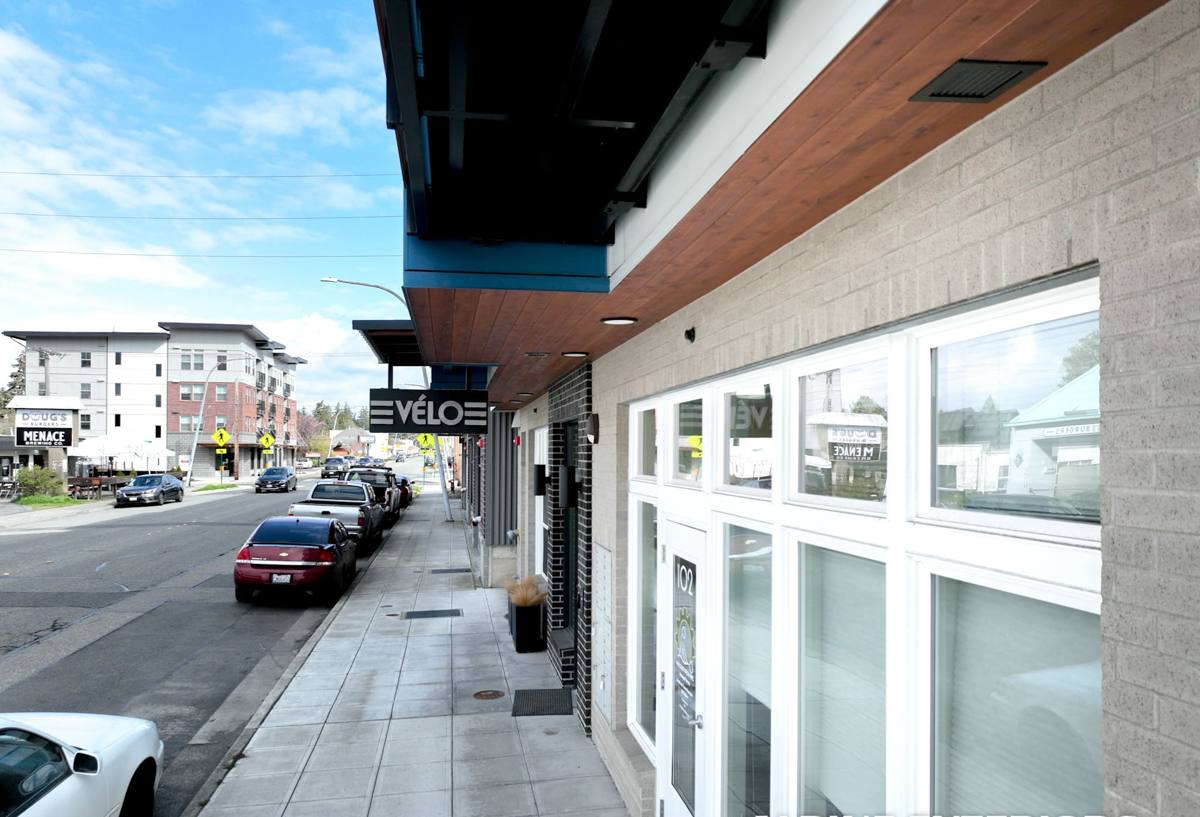
New-Construction Windows Are a Different Job Than Replacement Windows
These aren't interchangeable services, even though both end with a window in the wall. Replacement windows go into an existing rough opening, usually from the inside, using the existing frame or a pocket install to avoid disturbing finished siding. New-construction windows have a nailing fin (or flange) around the perimeter that gets integrated directly into the home's weather-resistive barrier and flashing system before siding ever goes on.
That fin is the whole point. It lets the window become part of the wall's water management plane instead of sitting inside it as an afterthought. Done correctly, water that hits the wall sheds down and over the window, never behind it. Done poorly — wrong flashing order, missing sill pan, fin taped instead of properly lapped — that same water finds its way into the wall cavity, and on a coastal lot like La Conner, it doesn't take long for trapped moisture to become a real problem.
Why This Matters More Here Than Inland
Wind-driven rain doesn't fall straight down — it hits vertical wall surfaces with real force, especially on exposed elevations facing open water or fields. A flashing detail that would get away with sloppy work in a sheltered inland lot won't get away with it here. We size up wind exposure and orientation on every La Conner lot before we ever set a window.
What a Correct New-Construction Installation Actually Involves
There's no shortcut version of this that holds up long-term. A proper install follows the same sequence every time, regardless of window brand or size:
- Rough opening is checked for square, level, and correct dimensions before the window ever arrives on site.
- A sloped sill pan flashing goes in first, so any water that gets past the window has somewhere to go — out, not into the framing.
- The window is set, shimmed, and fastened per the manufacturer's structural requirements, not just "close enough."
- Flashing tape and the weather-resistive barrier are integrated around the nailing fin in the correct shingle-lap order: sides first, then head, so water always flows over the top of a seam, never into it.
- Backer rod and sealant go in at the interior and exterior trim lines, matched to the siding and trim material being used.
- Every opening gets a final water-management check before siding closes it in for good.
Skip a step, or do it out of order, and the window will still look fine on install day. The failure shows up two or three winters later, after a few full rain seasons have had a chance to work on it — which is exactly why the sequence matters more than the finished appearance.
Choosing a Frame Material for Salt Air and Long Wet Seasons
Material choice matters more on a coastal build than most homeowners expect. Salt air accelerates corrosion on unprotected metal hardware and fasteners, and constant dampness punishes anything that relies on paint or finish to stay water-resistant. Here's how the common options generally compare for this kind of exposure:
| Frame Material | Coastal/Moisture Behavior | Maintenance Burden | General Cost Position |
|---|---|---|---|
| Vinyl | Doesn't corrode or rot; performs well in salt air; can discolor over many years of UV and moisture exposure | Low — occasional cleaning | Lower |
| Fiberglass | Very stable in moisture and temperature swings; strong resistance to salt-air corrosion; holds paint finishes well | Low | Mid to higher |
| Wood, clad exterior | Good look and insulating value; exterior cladding protects the wood, but any breach in the cladding or seals lets moisture reach bare wood | Higher — seals and joints need periodic inspection | Higher |
| Aluminum | Strong and slim-profile, but conducts cold and is more prone to corrosion in salt air without a quality finish | Moderate | Mid |
We don't push one material as the "right" answer for every La Conner build — a lot depends on the home's design, siding, and budget. What we do insist on is being honest about the trade-off: whatever you pick, the installation quality matters more than the brand name on the frame. A great window installed poorly will leak. A modest window installed correctly, on a proper sill pan with correct flashing lap, will outlast it.
Our New-Construction Process, Start to Finish
We keep this simple and consistent because consistency is what prevents callbacks:
- Site walk during framing: we look at rough openings, wall orientation, and roof overhangs before windows are ordered, so sizing and exposure are accounted for up front.
- Product selection: we go over frame material, glazing, and hardware options against the home's exposure and your budget — no upselling toward a product the house doesn't need.
- Scheduled install: our crew installs on the timeline your builder needs, in the sequence the wall assembly requires — sill pan, window, flashing integration, in that order, every time.
- Documentation: we note what was installed and how, so if a warranty question ever comes up years down the road, there's a clear record of the install method.
- Final check before siding closes it in: this is the point where mistakes are still cheap to fix. We don't skip it to save a day on the schedule.
Working Alongside Your Builder or General Contractor
Most new-construction window jobs in the La Conner area come to us through a builder or GC, not directly from the homeowner — and that's fine. We're used to fitting into someone else's schedule without becoming the reason a framing crew or siding crew has to wait. We coordinate directly with the GC on timing, confirm rough opening dimensions before ordering, and flag anything in the framing that needs correcting before we install — a slightly out-of-square opening is a lot cheaper to fix before a window is set than after.
If you're the homeowner overseeing your own build, we're glad to work directly with you instead. Either way, the goal is the same: windows that go in once, correctly, and don't become a punch-list item after the house is finished.
Living With Anacortes-Area Weather After the Windows Go In
Once a new-construction window is properly flashed and integrated into the wall assembly, it shouldn't need special babying — but the regional climate still shapes a bit of ongoing care. Moss and mildew growth on north-facing walls and around window trim is common through this region's long wet season, and it's worth a periodic look rather than something to worry over. A simple annual check is enough for most homes:
- Look at exterior caulk lines and trim joints for cracking or gaps, especially after the first full winter.
- Clear moss or debris that collects on sills, tracks, or nearby trim — it holds moisture against the surface longer than open air would.
- Check that weep holes (on vinyl and aluminum frames) are clear so any water that does get into the frame can drain back out.
- Watch for soft spots in wood trim or cladding near window corners, which is usually the first sign of a seal that needs attention.
None of this is a red flag on its own — it's just what living on Fidalgo Island and the surrounding Skagit County waterways involves. Windows installed correctly the first time hold up fine against it.
Why a Crew That Already Works La Conner Matters
Anyone can install a window on a calm, dry day. The difference shows up in how a crew handles the details that don't get inspected until the wall's already closed up: how they order the flashing laps, whether they use a sloped sill pan or skip it, how they account for wind exposure on a waterfront-adjacent lot versus a sheltered one a few miles inland. We've done enough of these installs around Anacortes and La Conner to know which details this specific climate punishes if you get them wrong, and we build every install around that — not around what would pass on a dry-climate job site somewhere else.
We're also a local, known crew — which matters when a builder needs a subcontractor who'll actually show up on the framing schedule, and it matters to homeowners who want someone reachable after the job if a question comes up.
Checklist: What to Confirm Before Windows Go In on Your New Build
- Rough openings measured and checked for square before windows are ordered.
- Sloped sill pan flashing specified for every opening, not just the exposed elevations.
- Flashing lap sequence (sides, then head) confirmed in writing or in the install plan.
- Frame material chosen with coastal exposure and maintenance expectations in mind, not just upfront price.
- Installer coordinating directly with your GC or builder on timing and sequencing.
- A final water-management check scheduled before siding or trim closes the opening.
If you're planning a new build in La Conner and want windows installed by a crew that already knows how this climate treats a wall assembly, we're happy to walk your framing with you and put together a straightforward, no-pressure estimate — just fill out the form below.