 Anacortes Window
 Why Old Town Anacortes Decks Wear Out Differently
Old Town Anacortes sits close to the water, and that proximity shapes how a deck ages here. Salt-laden air moves through the neighborhood constantly, and it does its work quietly — corroding fasteners, breaking down finishes, and creeping into any seam or joint that isn't properly sealed. Add Skagit County's long wet season, with driving rain that comes in sideways off the water more often than it falls straight down, and you get moisture finding its way into places a deck built for a drier climate was never designed to handle.
Then there's moss. Anacortes gets enough overcast, damp weather for months at a time that moss and algae take hold on any horizontal wood or composite surface that doesn't get regular sun and airflow. On a deck, that's not just a cosmetic problem — trapped moisture under moss-covered boards accelerates rot in real wood and can stain even moisture-resistant composites if it's left unaddressed for years.
None of this means decks in this neighborhood are doomed to fail early. It means a deck built or replaced here needs details — fastener choice, flashing, drainage, material selection — that a generic build in a milder or drier region can skip. That's the difference between a deck that needs replacing again in ten years and one that holds up for decades.
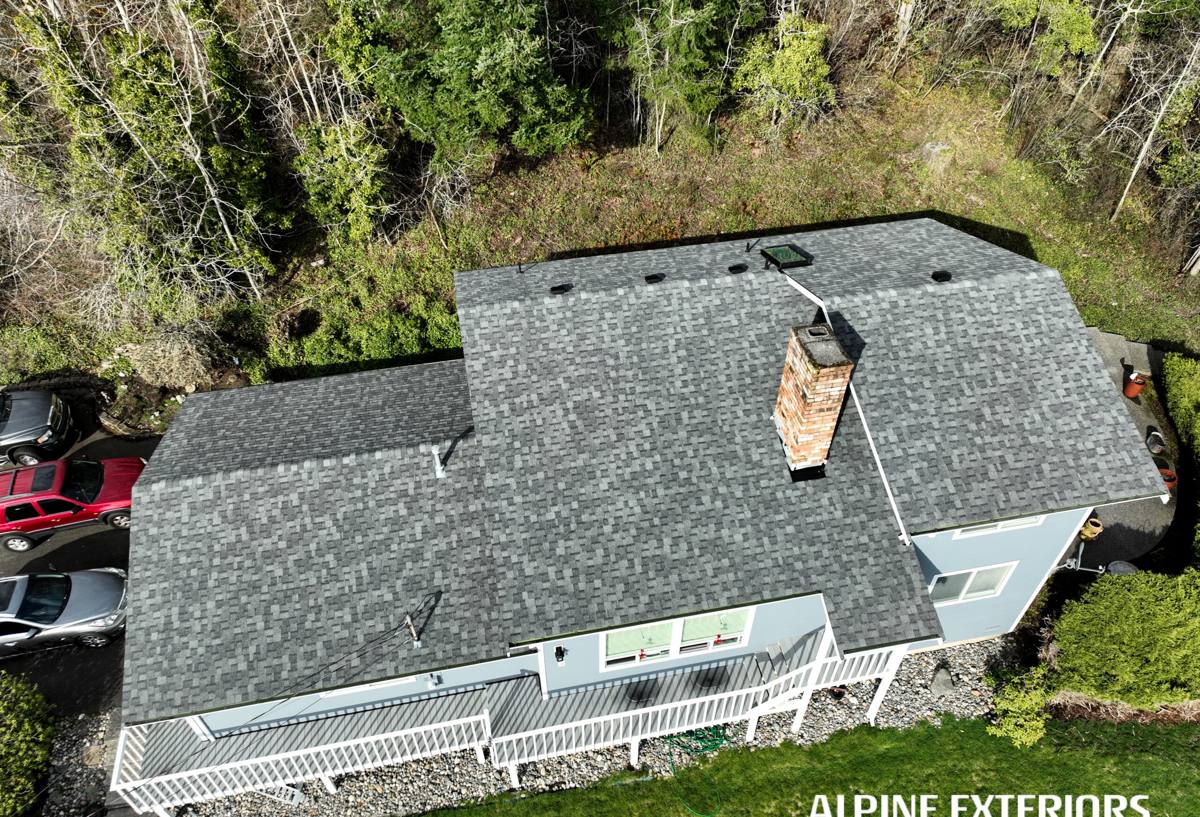
Signs Your Deck Has Reached Replacement Territory
Not every tired-looking deck needs a full teardown. But there's a point where patching individual boards or re-staining stops making sense, and replacement becomes the honest recommendation. Signs we look for include:
- Soft or spongy spots in the decking, especially near the house or in shaded corners where moss tends to sit longest
- Rust streaks or corroded fastener heads — a strong indicator that hardware wasn't rated for coastal exposure
- Gaps or movement where the ledger board meets the house, which can point to flashing failure and hidden moisture damage behind the siding
- Railings that flex or feel less solid than they used to, which is a safety issue, not just a comfort one
- Persistent moss or dark staining that comes back within weeks of cleaning, suggesting the wood or board surface is already compromised underneath
If a deck is showing two or more of these signs, especially anything involving the ledger connection or framing, it's usually more cost-effective in the long run to replace than to keep patching around a failing structure.
Choosing the Right Decking Material for This Climate
There's no single "best" decking material — there's a best fit for your budget, how much upkeep you want to do, and how exposed your deck is to weather. In a salt-air, high-moisture environment like Old Town Anacortes, some trade-offs matter more than they would elsewhere.
| Material | Moisture / Salt Air Behavior | Maintenance | Typical Lifespan |
|---|---|---|---|
| Pressure-treated wood | Needs sealing on a regular schedule; end grain and fastener points are vulnerable if neglected | Annual cleaning and re-sealing recommended | 10–15 years with upkeep |
| Cedar | Naturally rot-resistant but still needs finish maintenance in wet climates | Periodic staining/sealing | 15–20 years with upkeep |
| Composite (capped) | Resists moisture absorption well; won't rot, but surface staining from moss/algae still needs occasional cleaning | Low — occasional washing | 25–30 years |
| PVC decking | Fully moisture-resistant, best option where salt air and standing moisture are constant concerns | Very low | 30+ years |
We're honest with clients about wood: it can absolutely work here, and plenty of homeowners prefer the look and feel. But it asks more of you over time — a sealing schedule you have to actually keep up with, and more sensitivity to installation details like end-cut sealing and gapping for drainage. Composite and PVC cost more upfront but shift the maintenance burden way down, which matters if you'd rather spend weekends doing something other than re-staining boards every year or two.
What We Won't Cut Corners On
Regardless of which decking material a homeowner chooses, our standard doesn't change on the structural side: stainless steel or coated fasteners rated for coastal/marine exposure, proper joist tape or flashing on framing members, and ledger flashing that actually sheds water away from the house rather than trapping it. These are the details that determine whether a deck lasts 15 years or 30, and they cost far less to get right during replacement than to fix after the fact.
What a Correct Deck Replacement Actually Involves
Assessment and Structural Check
We start by looking past the surface — checking the condition of the ledger board attachment, the posts and footings, and the framing underneath. In an older Old Town Anacortes home, it's common to find that the visible decking looks worse than the framing, or vice versa: solid-looking boards over a ledger connection that's been quietly failing behind the siding. This is why we don't quote a full replacement sight-unseen.
Demo and Site Protection
Full removal of the old decking, railing, and any framing that doesn't meet current standards. We protect landscaping and the surrounding property during this phase, since demo debris and old fasteners can otherwise end up scattered through garden beds.
Framing and Flashing
This is the part of the job that doesn't show once it's finished — and the part that matters most for longevity in this climate. Proper ledger flashing, joist protection, correctly spaced framing for the decking material chosen, and hardware rated for salt air exposure all get addressed here.
Decking, Railing, and Finish
Installation of the new decking surface with attention to drainage gaps and airflow underneath — critical for keeping moss from taking hold as fast. Railings are set to current code height and spacing requirements, and any finish work (staining, capping, trim) is completed last.
Final Walkthrough
We walk the finished deck with the homeowner, check that everything is solid underfoot and at the railings, and go over any maintenance the chosen material will need going forward.
Permits and Local Code Considerations
Deck replacement in Anacortes typically involves a building permit through the City of Anacortes, particularly when structural framing, footings, or railing height are being changed — which is most full replacements. Requirements can vary depending on deck height, size, and proximity to property lines, so we handle the permit conversation as part of the project rather than leaving homeowners to sort it out separately. If your deck is elevated or attached to a home in a flood-aware or shoreline-adjacent area of town, there can be additional review steps worth confirming with the city before work starts.
We'd rather flag a permit requirement upfront than have a homeowner deal with a stop-work order or a resale inspection issue down the road because something was built without proper sign-off.
Living With Your New Deck: Salt Air and Moss Season Maintenance
Even the most moisture-resistant materials benefit from a little seasonal attention in this climate. A simple annual routine goes a long way:
- Sweep off debris and standing leaves regularly, especially in fall — trapped organic matter holds moisture against the surface and feeds moss growth
- Rinse salt residue off railings and surfaces periodically if your deck faces open water or gets direct wind off the bay
- Check fastener heads and railing connections once a year for early signs of corrosion or loosening
- Keep gutters and downspouts near the deck clear so overflow isn't dumping extra water onto or under the decking
- For wood decks, stay on top of the sealing schedule — skipping a year in this climate compounds fast
- Clean moss and algae promptly with a deck-safe cleaner rather than letting it sit through a full wet season
Why Local Experience in Old Town Anacortes Matters
A deck built to a generic spec sheet can look identical to a properly climate-adapted one on installation day — the difference only shows up years later, in the fasteners that rust, the ledger connection that quietly fails, or the decking that stays wet three days after everyone else's has dried out. Crews who work regularly in Skagit County's coastal neighborhoods learn which details actually matter here versus which are boilerplate, and that experience shows up in fewer callbacks and decks that hold up through repeated wet seasons rather than just the first one.
We're familiar with the older housing stock common to Old Town Anacortes, the permitting process through the City of Anacortes, and the specific weather pattern this part of the county deals with. That's not a substitute for a proper on-site assessment of your specific deck, but it does mean we're not guessing at what this climate requires.
Get a Straight Answer on Your Deck
If your deck is showing its age, we're happy to take a look and give you an honest read on whether it needs a full replacement or can be brought back with targeted repairs. Reach out for a free, no-pressure estimate using the form below — we'll walk the deck with you and explain exactly what we find.