 Anacortes Window
 Building a Deck That Belongs on Cap Sante
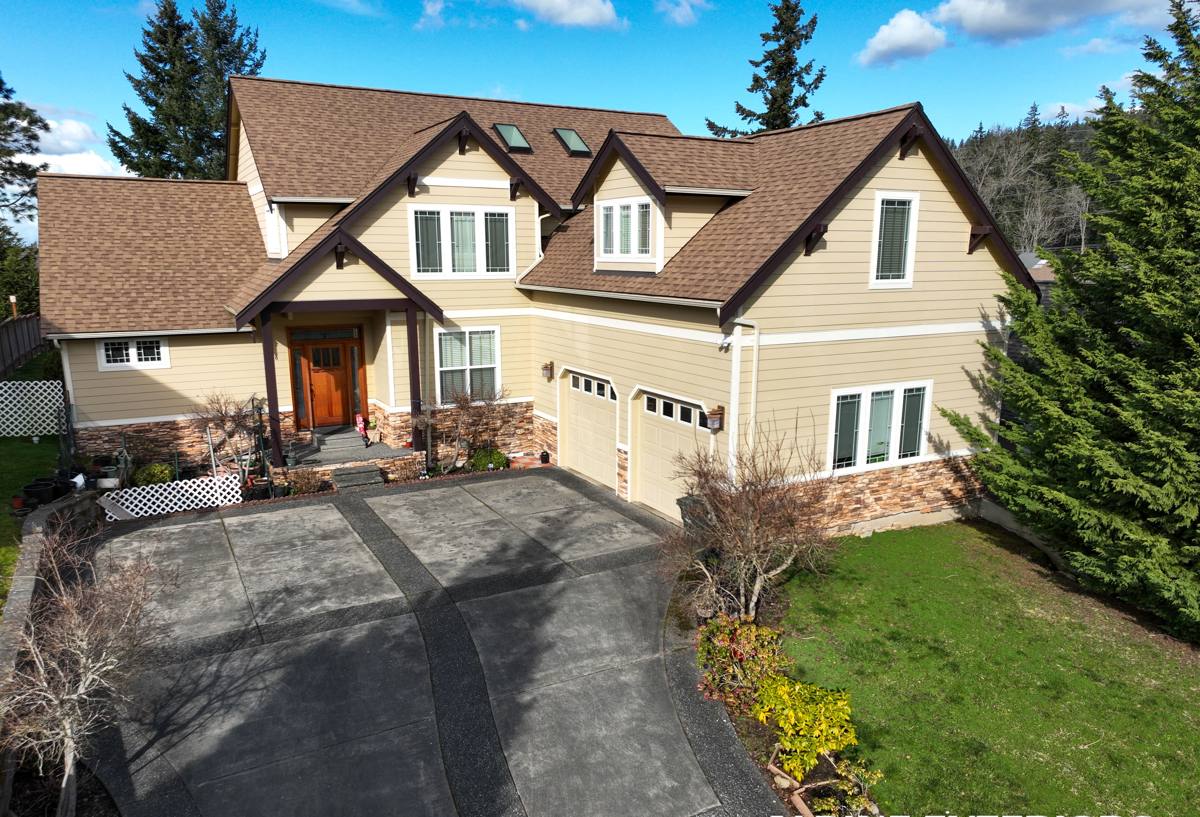
Cap Sante sits up close to the water, and that changes what a deck has to survive. A deck built the same way you'd build one twenty miles inland, away from Rosario Strait and the Guemes Channel, will show its age fast here — loose fasteners, graying boards that never quite dry out, railings that rust from the inside before the finish even fails. Homes on and around Cap Sante get more exposure to salt-laden air, wind-driven rain, and shaded, damp ground than most of Anacortes, and a deck project in this location needs to be planned around that from day one, not patched for it later.
This page covers what we actually do differently when we build a custom deck for a Cap Sante property: the materials we lean toward, the structural details that matter most, and the maintenance rhythm that keeps a deck looking and performing well through Skagit County's wet season.
What This Location Does to a Deck
Salt Air
Proximity to the marina and open water means airborne salt settles on everything outdoors, including deck surfaces, fasteners, and railing hardware. Salt accelerates corrosion in ordinary steel screws, nails, and brackets, and it can dull or discolor some finishes faster than the manufacturer's stated timeline. It doesn't ruin a deck by itself, but it punishes any hardware or fastener choice that was made to save a few dollars instead of to last.
Driving Rain
Wind off the water doesn't let rain fall straight down — it drives it sideways, into ledger boards, under railing base plates, and into any gap in flashing or trim that a calmer site would never test. A deck built without deliberate water-shedding details will find the one seam that lets moisture in, and once water gets behind a ledger or under a post base, rot starts long before it's visible from the yard.
Moss Season
Anacortes gets a long stretch of the year — roughly fall through spring — where decking surfaces stay damp and shaded longer than they dry. That's exactly the environment moss and algae need. On horizontal wood or composite surfaces, moss holds moisture against the board, and stairs or ramp sections that stay slick with moss growth are a real slip hazard, not just a cosmetic issue.
Decking Material Options for This Location
There isn't one universally "best" decking material for a waterfront-adjacent property — there's a best fit for your budget, your maintenance appetite, and how much sun or shade the deck actually gets. Here's how the common options hold up under Cap Sante conditions specifically.
| Material | How It Handles Salt Air & Rain | Moss/Algae Resistance | Maintenance |
|---|---|---|---|
| Pressure-treated fir/pine | Needs a quality sealant reapplied on schedule or the treated core is exposed to moisture cycling | Low — porous surface holds moisture | Annual cleaning and re-sealing |
| Cedar | Naturally rot-resistant heartwood, but still benefits from a breathable finish near salt air | Moderate — natural oils help, but still needs cleaning | Cleaning plus finish renewal every 1-2 years |
| Capped composite | Excellent — the cap layer doesn't absorb moisture or salt the way wood does | Good — smooth cap sheds moss more easily, though it still needs washing | Occasional washing, no sealing or staining |
| Tropical hardwood (ipe and similar) | Very good natural density and rot resistance, but hardware and fastener choice becomes critical | Moderate to good depending on finish maintained | Oiling to maintain color, or left to weather gray |
We'll walk through this table with you against your actual budget and sun exposure rather than pushing one product line — a deck in full shade on the north side of a Cap Sante lot has different needs than one that gets afternoon sun off the water.
Structural Details That Matter Here
The visible decking gets all the attention, but the parts you don't see are what determine whether a deck lasts 10 years or 30 in this environment.
- Ledger flashing: Where the deck attaches to the house, proper flashing — installed in the right order relative to the house's siding or building paper — keeps driving rain from working its way behind the ledger board and into the rim joist.
- Post bases and footings: Post bases that hold the post above standing water, combined with footings set to the correct depth and bearing for our soil conditions, keep the structural wood out of constant ground moisture.
- Joist protection: A protective tape or coating on top of framing lumber, under the decking fasteners, stops water from sitting in the fastener holes where rot typically starts first.
- Drainage and airflow: Decks built low to the ground or over limited crawl space need enough airflow underneath to let framing dry out between rain events, which is common on sloped Cap Sante lots.
- Gap spacing: Consistent, correct gapping between boards lets water drain through instead of pooling on the surface, which also slows moss growth.
Railings, Fasteners, and Hardware for Salt Air
Hardware is where cutting corners shows up fastest near salt air. Standard zinc-coated screws and brackets can start showing rust streaks within a season or two on an exposed Cap Sante deck, staining the decking around them and eventually weakening their hold. Our standard on any deck near the water is stainless steel or hot-dip galvanized fasteners and structural hardware rated for coastal exposure — it costs more up front than the hardware-store default, but it's the difference between hardware that outlasts the decking and hardware that has to be chased down and replaced board by board a few years in.
For railings, we also pay attention to how the post meets the deck surface and how water sheds off horizontal rail caps — a flat-topped rail cap that traps water against a post base is a common weak point we design around rather than repeat.
Our Process From Design to Finished Deck
1. Site Visit and Design
We walk the property, note sun and shade patterns, slope, drainage, and how close the site is to prevailing wind and salt exposure, then design the layout, footing plan, and material selection around what that specific lot actually needs.
2. Permitting
Deck projects in Anacortes and unincorporated Skagit County typically require a building permit, especially for decks above a certain height or attached to the house. We handle the permit submission and inspections as part of the project so you're not navigating that process alone.
3. Construction
Footings and framing go in first, with flashing, hardware, and joist protection installed as structural steps — not afterthoughts. Decking, railing, and stairs follow, with attention to fastener pattern and board gapping throughout.
4. Final Walkthrough
We walk the finished deck with you, review the maintenance schedule for your specific material choice, and make sure railings, stairs, and gates meet code and feel solid before we call it done.
Cost Factors to Expect
Every deck project is different, but the same handful of variables drive most of the cost swing on Cap Sante jobs. We'll always give you a firm, itemized estimate before work starts — this table is meant to help you understand what moves the number, not to promise a specific price.
| Factor | Why It Affects Cost |
|---|---|
| Decking material | Pressure-treated lumber costs less upfront than composite or hardwood; composite and hardwood cost more but need less ongoing maintenance |
| Height and footing depth | A raised deck needs a more substantial footing and structural system than one built close to grade |
| Site access and slope | Sloped or tight-access lots common around Cap Sante can add labor and equipment time |
| Railing style | Cable, glass, or custom metal railings cost more in materials and installation labor than standard baluster railing |
| Hardware grade | Stainless or galvanized coastal-rated fasteners and connectors cost more than standard hardware, but are the right call this close to the water |
Maintenance for Cap Sante Decks
Every decking material listed above will last longer with a maintenance rhythm built around our wet season rather than a generic annual checklist. Here's what we recommend to homeowners in this location specifically:
- Sweep leaves and debris off the deck surface regularly through fall — trapped organic matter is what feeds moss and holds moisture against the boards.
- Rinse or lightly scrub visible moss or algae as soon as it appears, especially on stairs, rather than waiting for a deep clean once a year.
- Check railing posts and stair stringers each spring for any looseness — hardware fatigue from salt exposure tends to show up here first.
- Reapply sealant or finish on wood decking on the schedule for your specific product, not just "when it looks dry."
- Keep gutters and downspouts near the deck clear so runoff isn't being directed onto or under the deck structure.
- Confirm the gaps between boards are still clear of debris so water keeps draining through instead of sitting on the surface.
Why Local Experience on Cap Sante Matters
A contractor who mostly builds decks inland can still build a structurally sound deck — but they may not default to coastal-rated hardware, may not think through wind-driven rain at the ledger, and may not set homeowner expectations about moss season up front. Building decks around Anacortes and Skagit County means we've already seen how salt air and driving rain treat different materials and fastener choices over years, not just at handoff. That experience shapes the decisions we make on your project before problems have a chance to show up.
If you're planning a custom deck for a Cap Sante property, we're glad to walk the site with you and put together a free, no-pressure estimate — just fill out the form below to get started.