 Anacortes Window
 Conway's Roofs Work Harder Than People Expect
Conway doesn't get talked about the way Anacortes or Mount Vernon do, but the homes here take a real beating from the weather. Sitting low in the Skagit River valley, surrounded by farmland and stands of fir and cedar, Conway holds moisture close to the ground longer than you'd guess from a map. Add in the driving rain that rolls through Skagit County most of the year, and a roof here is doing more work than the same roof would on a dry, open lot.
Conway itself sits back from open saltwater, but it's part of the same marine weather system that brings salt-laden air across Fidalgo Island and the rest of the county. That marine influence, combined with tree cover and low elevation, is exactly what feeds long moss seasons — moss that can start creeping across a north-facing slope within a couple years of a bad install and start lifting shingles within a few more. A new roof installation here isn't just about swapping old shingles for new ones. It's about building a roof system that's set up to shed water fast, dry out between storms, and resist the moss and moisture problems that are basically guaranteed if the details are skipped.
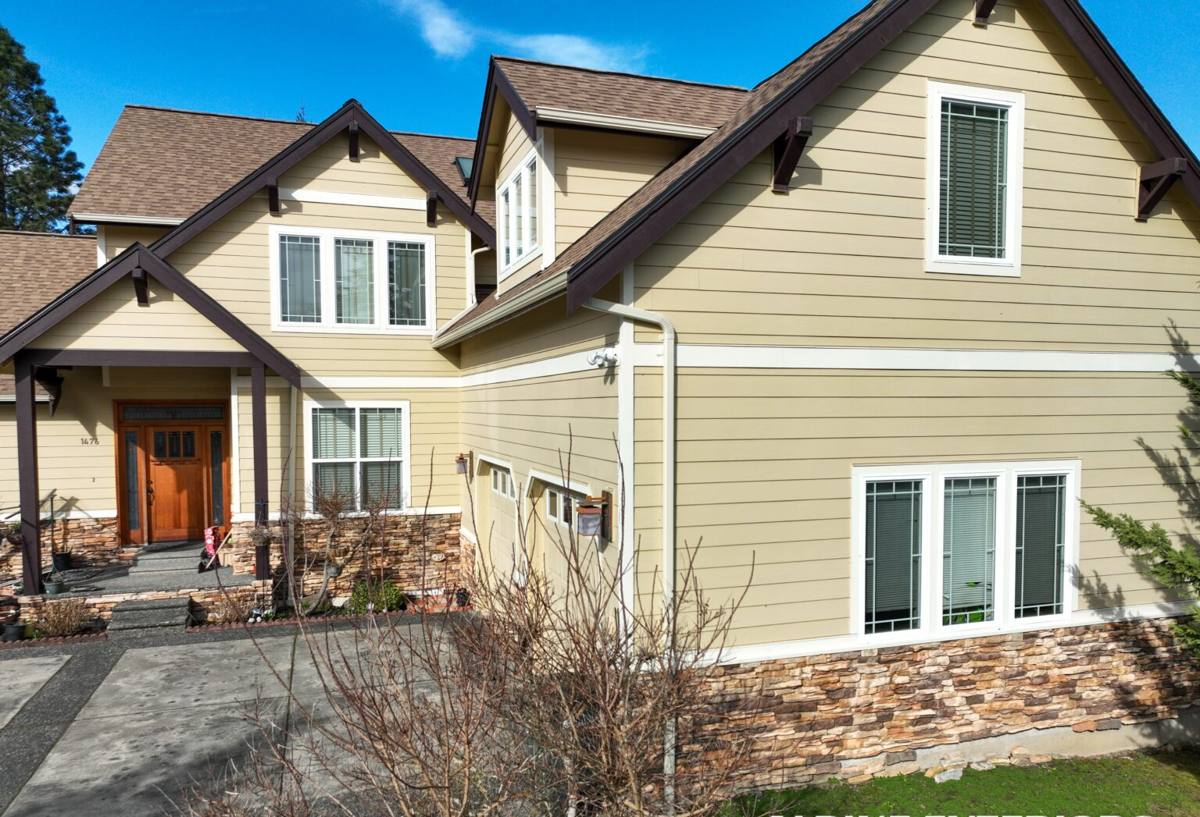
Signs a Conway Home Needs Replacement, Not Another Repair
Most homeowners call us after noticing one obvious problem — a leak, a stain on a ceiling, a section of shingles that look wrong. But by the time there's a visible interior sign, the roof has often been failing quietly for a while. A few things we look for when deciding whether a repair still makes sense or it's time for a full replacement:
- Granule loss heavy enough that you can see bare, shiny patches on the shingle surface, especially on south and west-facing slopes
- Moss established at the shingle edges or in the valleys, not just growing loosely on the surface
- Shingles that are curling, cupping, or cracking in more than one or two isolated spots
- Soft or spongy decking felt underfoot during an inspection, which usually means water has already gotten past the shingles
- A roof original to a home built more than 20-25 years ago, even if it "looks fine" from the ground
- Repeated small leaks in different spots each year rather than one recurring leak
If it's one issue in one area and the rest of the roof is sound, a repair is the honest answer and that's what we'll recommend. When the problems are spread across the roof or the underlying deck is compromised, patching just delays a bigger bill and risks interior damage in the meantime.
What a Correct New Roof Installation Actually Involves
Tear-Off and Deck Inspection
We don't install over old roofing. A full tear-off lets us see the actual condition of the decking underneath, which matters a lot in a damp, tree-covered area like Conway where slow leaks can rot plywood or plank decking without any obvious sign from inside the house. Any soft, delaminated, or water-stained decking gets replaced before anything new goes down — installing new shingles over bad decking is one of the most common shortcuts that leads to early failure.
Underlayment and Ice-and-Water Barrier
Synthetic underlayment goes down as the primary water-resistant layer beneath the shingles, and we add ice-and-water shield in the vulnerable spots — eaves, valleys, around chimneys and skylights, and any low-slope transitions. In a region that sees sustained rain rather than short bursts, these details matter more than they would somewhere drier, because water has more time to find its way in wherever the underlayment is thin or missing.
Flashing
Flashing around chimneys, vent pipes, skylights, and roof-to-wall transitions is where most leaks actually start, not in the open field of shingles. We install new flashing rather than reusing old pieces, since bent or corroded flashing is a leak waiting to happen regardless of how good the shingles above it are.
Ventilation
Proper intake and exhaust ventilation keeps the attic space close to outdoor temperature and moisture levels. Without it, warm moist air from the house gets trapped against the underside of the roof deck, which accelerates moss growth from the inside out and can rot decking years before the shingles themselves wear out. This is one of the most overlooked parts of a roof install and one of the most important for long-term performance in our climate.
Roofing Materials: What Holds Up in the Skagit Valley
There's no single "best" roofing material — the right choice depends on the home, the budget, and how much long-term maintenance a homeowner wants to take on. Here's how the common options compare for a Conway property specifically.
| Material | Typical Lifespan | Moss & Moisture Resistance | Notes for Conway Homes |
|---|---|---|---|
| Architectural asphalt shingle | 25-30 years | Good with proper ventilation and periodic cleaning | Most common choice; wide range of price points and colors |
| Standing seam metal | 40-50+ years | Excellent — sheds moss and debris more readily | Higher upfront cost, works well on steeper roof pitches common in the area |
| Cedar shake | 20-30 years with upkeep | Requires regular maintenance to resist moss and rot | Traditional look, but the maintenance burden is real in a damp, tree-heavy setting |
| Synthetic composite shake | 40-50 years | Very good — doesn't absorb moisture like wood | Mimics cedar appearance without the same upkeep demands |
For most Conway homes we still install architectural asphalt shingle, since it balances cost and performance well when the ventilation and flashing details are done right. Metal and synthetic composite come up more often on homes with heavy tree cover or owners who want to minimize moss maintenance long-term.
Our Process, Start to Finish
- On-site inspection and estimate. We walk the roof, check the attic for ventilation and moisture signs, and give you an honest assessment of repair versus replacement.
- Material selection. We go over the options that fit your roof's pitch, your budget, and how much long-term maintenance you want to take on.
- Scheduling around weather. We plan installs during dry weather windows whenever possible, since a rushed install in the rain is how corners get cut on flashing and underlayment.
- Tear-off and deck repair. Old roofing comes off, decking is inspected, and any damaged sections are replaced before moving forward.
- Underlayment, flashing, and ventilation installation. These details go in before a single shingle is nailed down, because they're what actually determines how the roof performs over time.
- Shingle or material installation. Installed to manufacturer specification, including proper nailing patterns and exposure — details that directly affect whether a warranty is honored later.
- Cleanup and walk-through. Job site debris and old materials are hauled off, and we walk the finished roof with you before calling the job done.
Why a Crew That Already Works Conway Matters
Roofing looks similar on paper everywhere, but knowing the area changes real decisions on the job. A crew that already works Conway knows how tree cover and shade patterns affect where moss takes hold first, how the low, damp lay of the land can extend drying times after a tear-off, and how to plan a schedule around the long stretches of rain that define a Skagit County winter. That's the difference between a roof that's installed correctly and one that's installed fast.
Working out of Anacortes, we cover Conway regularly enough to know which details matter most here rather than treating every job as generic. That includes knowing which permitting steps apply for unincorporated Skagit County properties, which is different from working inside city limits, and building that into the schedule from the start instead of discovering it midway through a project.
Cost Factors for a Conway Roof Replacement
Every roof is priced individually after an on-site look, but the main factors that move the number are consistent from job to job.
| Factor | Why It Matters |
|---|---|
| Roof size and number of planes | More square footage and more cuts around hips, valleys, and dormers mean more material and labor time |
| Roof pitch | Steeper roofs require more safety setup and take longer to work on |
| Layers of existing roofing | Multiple old layers add tear-off time and disposal costs |
| Decking condition | Rotted or soft decking found during tear-off adds material and labor to replace it |
| Material choice | Asphalt, metal, and synthetic composite all carry different material and installation costs |
| Ventilation upgrades needed | Homes with inadequate intake or exhaust ventilation may need vents added or upgraded during the install |
| Access and site conditions | Tree cover, steep driveways, or tight lot access can affect equipment staging and time on site |
Keeping a New Roof Performing After Install
A correctly installed roof still needs some basic upkeep to hit its full lifespan, especially in a climate that grows moss on almost any north-facing surface given enough time. A simple maintenance routine goes a long way:
- Clear gutters and downspouts at least twice a year, more often if you're under heavy tree cover
- Remove moss and debris buildup before it establishes under shingle edges, ideally with a soft-wash approach rather than pressure washing
- Check attic ventilation isn't blocked by insulation or debris during any attic work
- Trim back overhanging branches that keep sections of the roof shaded and slow to dry
- Have the roof looked at after any major windstorm to check for lifted or displaced shingles
- Address small flashing or sealant issues early, before a minor gap becomes a decking repair
If you're weighing a repair against a full replacement, or just want an honest read on how much life is left in your current roof, we're happy to take a look. The estimate is free, there's no pressure either way, and you'll get a straight answer about what your Conway home actually needs — use the form below to get started.