 Anacortes Window
 Cap Sante's Waterfront Exposure Changes What a Window Has to Do
Cap Sante sits up above the marina and the water, which is exactly why so many homes here were built or remodeled to take advantage of the view — but that same exposure is hard on windows. Salt-laden air off the water accelerates corrosion on hardware, fasteners, and metal components. Wind-driven rain, common through Skagit County's wet months, tests every seam, flashing detail, and sealant joint a window has. And the long stretch of gray, damp weather that settles over Anacortes for a good chunk of the year keeps wood trim, sills, and cladding wet longer than they'd stay in a drier climate, which is exactly the condition moss and algae need to take hold. None of this means windows here are doomed — it means the material, the glass package, and the installation details all have to be chosen with this specific exposure in mind, not picked off a generic spec sheet.
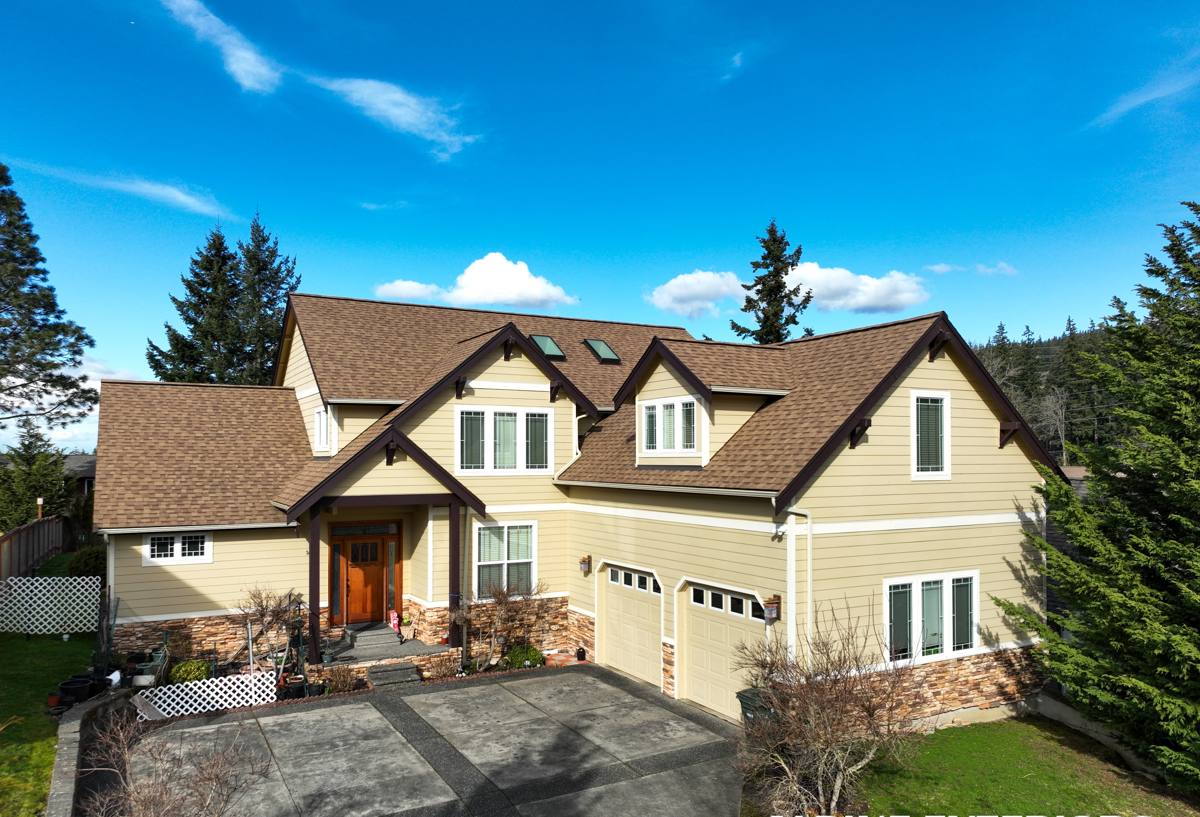
What "Custom" Actually Means for a Cap Sante Home
Openings Built Around the View
A lot of the custom window work we do in this neighborhood isn't about odd sizes for their own sake — it's about maximizing a water view without creating a wall of glass that leaks, sags, or turns into a heat-loss problem. That can mean a large fixed picture window paired with smaller operable units for airflow, a corner configuration, or a shape that follows an angled wall or gable. Every one of those departs from stock sizing, so measurements, structural support, and glass specification all have to be worked out for that specific opening.
Working With What's Already There
Cap Sante has a mix of older homes and newer construction, and older homes especially often have openings that were never perfectly square to begin with, or that have settled slightly over the decades. Custom window work here frequently means matching a replacement to an opening that's slightly out of true, rather than assuming a standard manufactured size will drop in cleanly. Getting that fit right the first time is the difference between a window that seals properly and one that needs caulk repairs every year.
Material Choices That Hold Up Near the Water
We get asked often whether wood, vinyl, or fiberglass is the "right" choice, and the honest answer depends on how exposed the specific opening is and how much upkeep the homeowner wants to commit to. Here's how the common options generally compare in a salt air, high-moisture environment like Cap Sante:
| Material | Salt Air / Moisture Behavior | Maintenance Needs | Where It Fits Best |
|---|---|---|---|
| Vinyl | Won't corrode or rot; performs consistently in marine air | Low — occasional cleaning | Most openings, especially where budget and low upkeep matter |
| Fiberglass | Very stable dimensionally, resists moisture and salt exposure well | Low to moderate | Larger custom openings, view windows, areas with more wind load |
| Wood / Wood-Clad | Interior wood looks great but is sensitive to moisture intrusion if any seal fails | Higher — needs regular inspection and finish upkeep | Interior-facing character where the homeowner accepts the maintenance tradeoff |
We're not against wood windows, but on a direct waterfront exposure like Cap Sante, an all-wood exterior asks a lot of the finish and the flashing to keep moisture out over decades. Our standard recommendation on the water-facing side of a home is vinyl or fiberglass, or a wood-interior/clad-exterior unit, so the homeowner gets the interior look they want without the exterior wood carrying the brunt of salt air and driving rain. That's a maintenance and moisture-management call, not a knock on wood as a material — it's about matching the product to this specific exposure.
Installation Details We Don't Skip
Most window failures we get called out to inspect aren't a bad window — they're a window that was installed without the flashing and drainage details that a driving-rain climate requires. On every custom install in this area, that means:
- A sloped sill pan under the window so any water that gets past the exterior sealant drains back out, not into the wall cavity
- Head flashing integrated correctly with the existing siding or building wrap, lapped so water sheds down and over, never trapped behind it
- Weep paths kept clear so the window's own drainage system can actually do its job
- Corrosion-resistant fasteners and hardware suited to marine air, not standard-grade hardware that will pit and stain within a few seasons
- Sealant chosen and applied for long-term flexibility, since a rigid or failing bead is one of the most common paths for water intrusion
None of this is visible once the trim goes back on, which is exactly why it matters — a window that looks fine from the curb can still be letting water into the wall assembly if these steps were rushed.
How the Process Works
- On-site assessment. We look at the existing opening, the exposure (how directly it faces wind and water), current condition of the trim and framing, and what the homeowner wants out of the space — light, view, ventilation, or all three.
- Measurement and product selection. Custom openings get measured precisely, and we walk through material, glass package, and configuration options with the actual tradeoffs laid out, not just a sales pitch for the highest-margin option.
- Ordering and lead time. Custom units take longer to manufacture than stock sizes — we give a realistic timeline up front so there are no surprises.
- Removal and prep. We check the framing and sheathing behind the old window for any hidden moisture damage before the new unit goes in — this is often where problems from a prior bad install turn up.
- Installation with full flashing and drainage detail, as described above, not just set-and-caulk.
- Interior and exterior finish work to match the surrounding trim, followed by a walk-through so the homeowner can see and test the finished opening.
Signs Your Current Windows Are Losing the Fight
If you're not sure whether it's time to replace or repair, these are the signs we look for on homes in this exposure:
- Fogging or a hazy film between panes of double-pane glass — the seal has failed
- Windows that are hard to open, close, or lock — often swollen wood or corroded hardware
- Visible rust, pitting, or white corrosion residue on hinges, cranks, or latches
- Moss, algae, or dark staining building up on sills and lower trim
- Soft or spongy wood at corners or the bottom rail — a sign moisture has been sitting there
- Noticeable drafts or a cold spot near the window even when it's fully closed
- Condensation forming on the interior glass or frame regularly through the wetter months
Any one of these on its own might just need attention. Several together, especially on a window facing the water, usually means the unit is past the point where repair makes sense.
What Drives the Cost of a Custom Window Project
There's a wide range in what custom window work can cost, because so much depends on the specifics of the opening and the home. Broadly, the main factors are:
| Factor | How It Affects Cost |
|---|---|
| Size and shape | Larger openings and non-rectangular shapes (angled, arched, oversized picture windows) cost more to manufacture and install than standard rectangles |
| Material | Vinyl is generally the most budget-friendly; fiberglass and wood-clad units cost more but bring different performance and appearance tradeoffs |
| Glass package | Upgraded Low-E coatings, tempered glass (required in some locations by code), or triple-pane options add cost but improve comfort and efficiency |
| Number of openings | Doing multiple windows in one project is typically more cost-efficient per unit than one-off replacements |
| Condition behind the old window | Hidden rot or moisture damage found during removal adds repair work before the new window can go in |
| Access and site conditions | Second-story or hard-to-access openings, and homes with limited staging area, take more labor time |
We give a firm, itemized quote after the on-site assessment — not a phone estimate — because with custom work, the details above genuinely do change the number.
Maintenance for This Climate
Whatever material you choose, a little seasonal attention goes a long way in Anacortes' marine environment. Rinse salt residue off exterior frames and hardware periodically, especially on openings that face the water or catch prevailing wind. Keep sills and tracks clear of moss and debris so water doesn't sit against the frame during the wetter months. Check exterior caulk lines once a year for cracking or separation, since that's the first place driving rain finds a way in. And if you have wood components, keep an eye on the finish — catching a small area of worn paint or sealant early is far cheaper than dealing with rot later.
Why Local Experience in Cap Sante Matters
A window contractor who mostly works inland doesn't run into the same problems every day that a crew working the Anacortes waterfront does. Knowing how hard salt air is on standard hardware, how fast moss builds up on a north-facing sill here, and how much wind-driven rain a west- or water-facing opening actually takes changes what gets specified and how it gets installed — before a problem ever shows up. That's the difference between a window that's still performing in ten years and one that's back on the repair list in three.
If you're weighing a custom window project for a Cap Sante home, we're happy to take a look and talk through honest options for your specific exposure and budget. Reach out for a free, no-pressure estimate using the form below.