 Anacortes Window
 Window Replacement Built for Bow's Coastal-Rural Climate
Bow sits in a stretch of Skagit County where farmland, timber, and shoreline all meet within a few miles of each other. That mix creates a specific set of demands on windows that a lot of manufacturers' standard installation guides simply don't account for. Homes here catch salt-laden air drifting in off Samish Bay and Padilla Bay, take on driving rain during fall and winter storm systems, and sit under tree cover and shaded rooflines for much of the year that keep moss and algae active longer than in drier parts of the state. None of that is dramatic on its own, but stacked together over years, it's exactly the combination that finds every weak point in a window's seal, frame, and flashing.
Window replacement in Bow isn't just about swapping old glass for new. It's about specifying the right materials and installing them in a way that accounts for wind-driven moisture and long wet seasons, not just an average Northwest forecast. We treat every job here as a coastal-adjacent install, even on properties that aren't waterfront, because the air quality and moisture load are similar across most of the area.
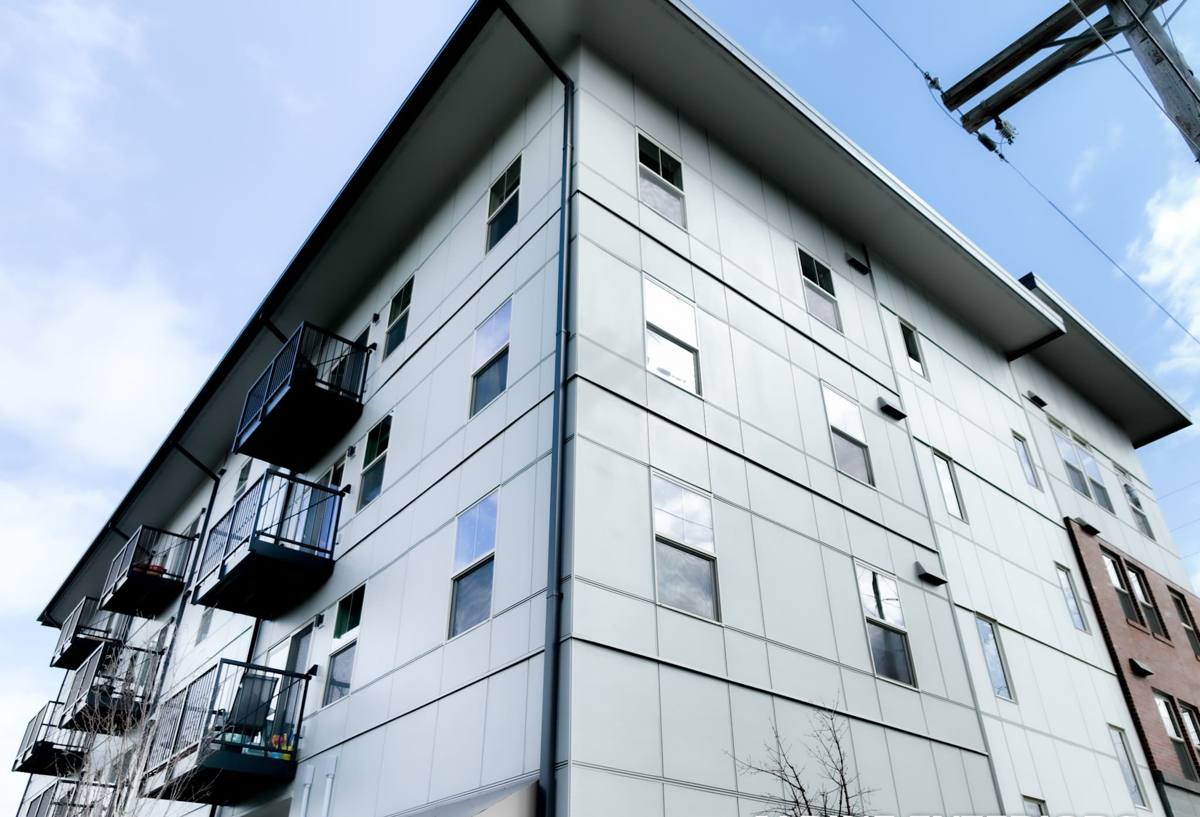
What Bow's Climate Actually Does to Windows
Salt Air and Metal Fatigue
Salt-bearing air doesn't need to come off open ocean to cause problems — the bay air moving through Bow does the same slow work. It accelerates corrosion on window hardware, aluminum components, and cheaper fasteners. Locks get stiff, cranks on older casement windows start to bind, and unprotected metal trim can pit and discolor years before it should.
Driving Rain and Wind-Driven Moisture
Storms coming through this part of Skagit County frequently push rain sideways rather than straight down. That matters because a window can be perfectly watertight against vertical rain and still leak under wind pressure if the flashing details and sill pan weren't built for wind-driven exposure. This is one of the most common causes of hidden rot we find behind older window openings.
Moss, Algae, and Prolonged Dampness
Shaded lots and the area's long damp stretch through fall, winter, and spring keep surfaces wet longer than in more open, sun-exposed locations. Moss and algae growth on siding, trim, and sills holds moisture against the wall assembly, which is hard on wood components and can mask early signs of a failing seal until damage has already spread into the framing.
Signs a Bow Home Needs Window Replacement
Most window failures show themselves gradually. Homeowners often notice one or two symptoms and assume it's a minor fix, when it's actually evidence the window assembly has already let moisture in. Watch for:
- Fogging or a cloudy haze between panes (a failed seal on double or triple-pane glass)
- Soft, spongy, or discolored wood at the sill or bottom corners of the frame
- Persistent drafts even with the window fully latched
- Difficulty opening, closing, or locking — often from swollen frames or corroded hardware
- Visible moss, black staining, or algae building up on the sill or exterior trim
- Paint that's bubbling, peeling, or cracking around the window frame
- A noticeable rise in heating costs without other explanation
Any one of these on its own might just need attention. Two or more together, especially moisture staining plus drafts, usually means the window and possibly the surrounding wall assembly need a real look before it's replaced blind.
What a Correct Window Replacement Job Actually Involves
Removal and Opening Inspection
Pulling the old window is the point where a lot of hidden problems get found — soft sheathing, old flashing that was never integrated with the building paper, or insulation that's been wet for years without anyone knowing. We inspect the opening before anything new goes in, because installing a new window into a compromised opening just repeats the same failure on a delay.
Flashing and Moisture Management
This is the step that matters most in a climate like Bow's. Proper flashing integrates the window with the wall's water-resistive barrier so that any water that gets past the window itself is directed back out, not into the wall cavity. A sloped sill pan, correctly lapped flashing tape, and a drainage path are non-negotiable here given how often wind pushes rain into the wall face.
Insulation and Air Sealing
Gaps around the rough opening get properly insulated and air-sealed — not stuffed with excess fiberglass, which can actually hold moisture, but filled with a material and method suited to the gap size. This is also where a lot of the draft and energy-loss complaints get solved permanently.
Finish Work
Interior and exterior trim gets reset or replaced, caulking lines are tooled properly rather than just smeared on, and hardware is checked for smooth operation before we call the job done.
Choosing Frame Materials for Bay-Adjacent Exposure
Frame material matters more in Bow than in more sheltered inland areas, because of the combination of salt air and sustained moisture. Here's how the common options compare for this specific setting:
| Material | Salt Air Behavior | Moisture Behavior | Maintenance |
|---|---|---|---|
| Vinyl | Doesn't corrode; UV-stable options hold color well | Won't rot; handles sustained dampness with no material breakdown | Low — occasional cleaning |
| Fiberglass | Excellent resistance, very stable in shifting humidity | Dimensionally stable even with repeated wet-dry cycles | Low |
| Aluminum-clad wood | Cladding protects the exterior face well; interior wood still needs care | Good if flashing detail is correct; failure point is usually at joints | Moderate |
| Bare wood | Vulnerable without diligent, ongoing refinishing | Prone to rot in prolonged damp/shaded exposure without upkeep | High |
We're not against wood-framed windows as a category — they have real appeal and can perform well when maintained. But for a Bow property with shaded siting or bay-facing exposure, we'll be straightforward that a bare wood frame is a bigger maintenance commitment than most homeowners want to take on, and we'll explain the trade-offs rather than talk anyone out of a look they want.
Glass Packages Worth Considering
Double-pane, low-E glass is the baseline we'd recommend for almost any Bow home given the year-round dampness and the swing between cold, wet winters and warmer summer afternoons. Triple-pane adds meaningful sound and thermal performance and is worth discussing for street-facing rooms or homes with higher heating bills, though it comes at a added cost that doesn't pencil out for every room.
Our Process, Start to Finish
- On-site assessment: We look at every window being considered, check for existing moisture or rot, and take real measurements rather than working off assumptions.
- Honest recommendation: We tell you which windows genuinely need replacement now, which can wait, and which materials make sense for that specific opening's exposure.
- Written estimate: Clear pricing, no vague allowances, and a realistic timeline.
- Installation: Proper removal, opening inspection, flashing, insulation, and finish work as described above — not a quick swap.
- Final walkthrough: We check operation, sealing, and cleanup with you before calling it complete.
Cost Factors for Window Replacement in Bow
Every home's pricing is different, but the variables that actually move the number are consistent. Rather than quote a figure that won't hold up across different homes, here's what drives cost up or down:
| Factor | How It Affects Cost |
|---|---|
| Number of windows replaced at once | Bundling multiple windows reduces per-unit labor and mobilization cost |
| Frame material chosen | Vinyl is typically most economical; fiberglass and clad-wood cost more upfront |
| Hidden rot or sheathing damage | Repair work discovered during removal adds cost but prevents a repeat failure |
| Window size and style | Large picture windows, bays, and custom shapes cost more than standard double-hungs |
| Access and site conditions | Second-story, tree-obstructed, or hard-to-reach windows take longer to install |
| Glass package | Triple-pane and specialty coatings add cost over standard double-pane low-E |
We walk through these factors with every homeowner during the estimate so there are no surprises once work starts.
Why It Matters to Hire a Crew That Already Works This Area
A window that performs fine in a drier, more sheltered part of the state can underperform in Bow simply because it wasn't installed with this area's wind and moisture pattern in mind. Crews unfamiliar with bay-adjacent conditions sometimes skip or shortcut flashing details that don't matter much elsewhere but are essential here. We work throughout this part of Skagit County regularly, which means we're not guessing at how a given opening will handle wind-driven rain or how much shade and dampness a particular lot sees through the year — we've seen the pattern before and build the install to match it.
That local familiarity also means straight talk. If a window style or material isn't a good fit for a shaded, damp lot near the water, we'll say so plainly and explain why, rather than sell whatever's easiest to install.
Ready for a Straight Answer on Your Windows?
If you're dealing with drafts, fogged glass, sticking frames, or just windows that are past their working life, we're glad to take a look and give you an honest assessment — no pressure, no upsell. Use the form below to request a free estimate for window replacement at your Bow property.