 Anacortes Window
 Siding Built for Bow's Weather, Not Just Its Looks
Bow sits in a stretch of Skagit County where farmland meets saltwater, and that combination is harder on a house than most people realize. Homes here take on a steady mix of wind-driven rain off the water, salt-laden air, and shaded, damp conditions that keep moss and algae active for most of the year. Siding that would hold up fine forty miles inland can start failing early out here — cupping, staining, softening at the bottom edges, or growing a green film that never fully dries out. When we install siding in Bow, we're installing for this specific climate, not a generic Pacific Northwest average.
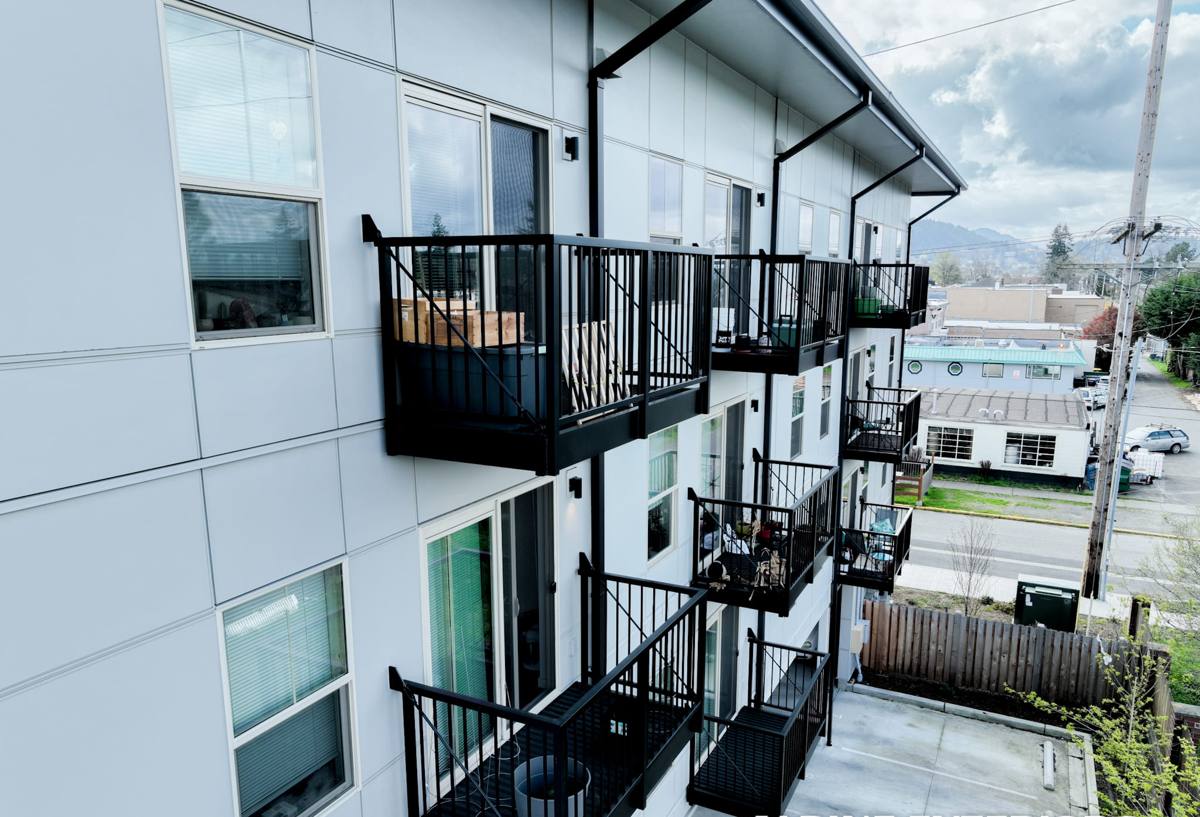
Why This Corner of Skagit County Is Hard on Siding
Salt Air and Metal Fatigue
Proximity to Samish Bay and the surrounding shoreline means airborne salt reaches building materials and fasteners more often than homeowners expect, even on homes set back from the water. Salt exposure accelerates corrosion on unprotected metal trim, cheap fasteners, and any siding system that relies on exposed metal joints. Over years, that corrosion can telegraph through paint and finish, showing up as rust streaks or pitted hardware long before the siding itself is due for replacement.
Driving Rain and Wind Exposure
Bow's open farmland and coastal exposure mean wind isn't blocked the way it is in denser, tree-covered neighborhoods. That wind pushes rain sideways into wall assemblies, which puts real pressure on seams, laps, and butt joints. A siding job that isn't detailed correctly at those transition points will let water in eventually — it's a matter of when, not if.
Moss, Algae, and Prolonged Dampness
Shaded sides of a house, areas under mature trees, and low-airflow spots near foundations stay damp for extended stretches during the wet season. Organic materials and porous finishes give moss and algae something to grip onto and feed from. Once established, that growth holds moisture directly against the siding surface, which speeds up deterioration underneath even when the surface itself still looks intact.
What a Correct Siding Installation Actually Involves
Good siding is less about the panel itself and more about everything behind it. A correct installation in a climate like Bow's includes:
- A weather-resistant barrier installed with proper overlaps, sealed at penetrations, and shingled so water sheds outward at every layer
- Flashing at windows, doors, and any horizontal trim or transition where water naturally collects
- Correct fastener placement and spacing so panels can handle wind load without working loose over time
- Proper clearance at the base of the wall — siding held up off decks, patios, and grade so it isn't sitting in standing moisture
- Caulked and sealed joints only where the manufacturer specifies, and left open where they don't — sealing the wrong joint traps water instead of keeping it out
- Ventilation behind the cladding so any moisture that does get in has a way to dry out
Skip any one of these steps and the siding can look fine for a season or two while problems build behind it. This is why we treat installation detailing as the real product — the panel is just the visible part.
Why We Install Only James Hardie Fiber Cement
We made a decision as a company to install James Hardie fiber cement siding exclusively, and we don't install vinyl, LP SmartSide, Cemplank, Allura, or primed wood products like spruce or cedar. That's not a marketing position — it's a standard we hold because of what we see in the field, especially in exposure conditions like Bow's.
Fiber cement is non-combustible and dimensionally stable, meaning it doesn't expand, contract, warp, or absorb moisture the way wood-based products can. James Hardie's ColorPlus factory finish is baked on under controlled conditions, which gives it better adhesion and fade resistance than field-applied paint, and it holds up better against salt air exposure than most site-finished alternatives. Hardie also engineers specific product lines (their HZ5 designation, for example) for wetter, harsher climates — which matters in a place that gets driving rain off open water for a good part of the year. Combined with a strong transferable warranty, it's the system we're comfortable standing behind on homes in this area.
How the Job Works, Start to Finish
1. On-Site Evaluation
We look at your home's specific exposure — which walls take the worst of the wind and rain, where moss and staining are already showing up, and whether the existing wall assembly has any hidden moisture damage that needs to be addressed before new siding goes on.
2. Tear-Off and Substrate Check
Old siding comes off and we inspect the sheathing underneath. Any soft, rotted, or water-damaged material gets repaired or replaced — installing new siding over a compromised substrate just hides the problem instead of fixing it.
3. Weather Barrier and Flashing
A new weather-resistant barrier goes on with correct overlaps, and flashing is installed at every window, door, and horizontal trim detail before a single piece of siding goes up.
4. James Hardie Installation
Panels, fasteners, and joint details are installed to James Hardie's published specifications — fastener spacing, clearances, and caulking locations aren't left to judgment call.
5. Trim, Caulking, and Final Inspection
Trim and transitions get finished, and we walk the exterior looking specifically at the details that matter most in this climate: clearance at grade, sealed penetrations, and consistent fastening.
Comparing Siding Materials for a Bow Property
| Material | Moisture/Salt Air Behavior | Maintenance Burden | Typical Lifespan |
|---|---|---|---|
| Vinyl | Can warp or fade under wind and sun exposure; seams can loosen over time | Low, but limited repair options once damaged | 20–30 years, shorter under harsh exposure |
| Primed Wood (spruce/cedar) | Absorbs moisture, prone to swelling and rot without diligent upkeep | High — regular repainting and caulking required | Highly dependent on maintenance |
| Other Fiber Cement (LP, Cemplank, Allura) | Similar base material behavior, but finish quality and climate-specific engineering vary by brand | Varies by product line and finish system | Varies |
| James Hardie Fiber Cement | Non-combustible, dimensionally stable, factory finish engineered for wet/coastal exposure | Low — occasional wash-down, no repainting cycle | Decades with correct installation |
Every material on this list can perform reasonably well under ideal conditions. The difference shows up under Bow's actual conditions — sustained wind-driven rain, salt exposure, and long stretches of damp shade — which is why we standardized on one system rather than offering all of them.
What Drives the Cost of a Bow Siding Job
Every home is different, but the main variables we price around are consistent:
- Home size and wall complexity (number of corners, gables, and trim details)
- Condition of the existing sheathing once old siding comes off
- Whether existing trim, fascia, or flashing needs to be replaced alongside the siding
- Access and site conditions — rural lots, long driveways, or septic/well layouts can affect staging
- Siding profile and color selection within the James Hardie lineup
We won't quote a number without seeing the home, but we're upfront that fiber cement done correctly costs more up front than vinyl or unfinished wood — and that difference is largely the labor and detailing behind the panel, not just the material itself.
Signs Your Bow Home May Need New Siding
- Persistent green or black staining that returns shortly after cleaning
- Soft or spongy spots when you press on the siding, especially near the bottom courses
- Visible warping, cupping, or separated seams
- Rust streaking below nails, trim, or metal flashing
- Peeling or bubbling paint that keeps recurring in the same spots
- Rising utility bills that suggest air and moisture are getting through the wall assembly
Any one of these can be a cosmetic issue — but in combination, or if they keep coming back after cleaning and touch-up, they usually point to moisture getting past the siding itself.
Living With Fiber Cement Siding After Installation
James Hardie siding is low-maintenance compared to the alternatives, but "low-maintenance" isn't "no-maintenance" in an area like Bow. An occasional gentle wash-down keeps salt residue and early moss growth from taking hold, and it's worth checking caulked joints once a year for cracking or separation. Because the factory finish is baked on rather than field-applied, you're not on a repainting cycle the way you would be with wood siding — which matters when the climate is actively working against surface finishes for most of the year.
Why It Matters That We Already Work in Bow
A crew that installs siding across a wide, varied climate learns to recognize patterns — which walls in this area take the worst wind exposure, where moss establishes first, and which installation details actually hold up here versus in a drier or more sheltered part of Skagit County. That local pattern recognition is hard to substitute with a general install checklist. It shows up in small decisions on the job — where extra flashing attention goes, how clearances are handled near grade, how joints are detailed on the exposed side of the house — the details that determine whether the siding is still performing well a decade from now.
If your Bow home is due for new siding, we'd be glad to take a look and walk you through what we see and what we'd recommend — no pressure, no obligation. Fill out the form below to schedule a free estimate.