 Anacortes Window
 Building a Deck That Actually Holds Up in Bow
Bow sits close enough to Samish Bay and the greater Salish Sea shoreline that homes here deal with a specific mix of conditions: salt-laden air moving in off the water, long stretches of driving rain through fall and winter, and a moss and algae season that can run eight months or longer on shaded, north-facing surfaces. A deck built to a generic spec — the kind you'd see in a big-box how-to guide — will often look fine for a year or two and then start showing problems: soft spots around fasteners, black streaking on the underside of boards, rust bleeding through paint or stain, and joints that trap water instead of shedding it.
A deck built correctly for this specific stretch of Skagit County looks almost the same on day one. The difference shows up five and ten years out, in whether the structure underneath is still sound and whether you're fighting moss and rot every spring or just doing normal upkeep.
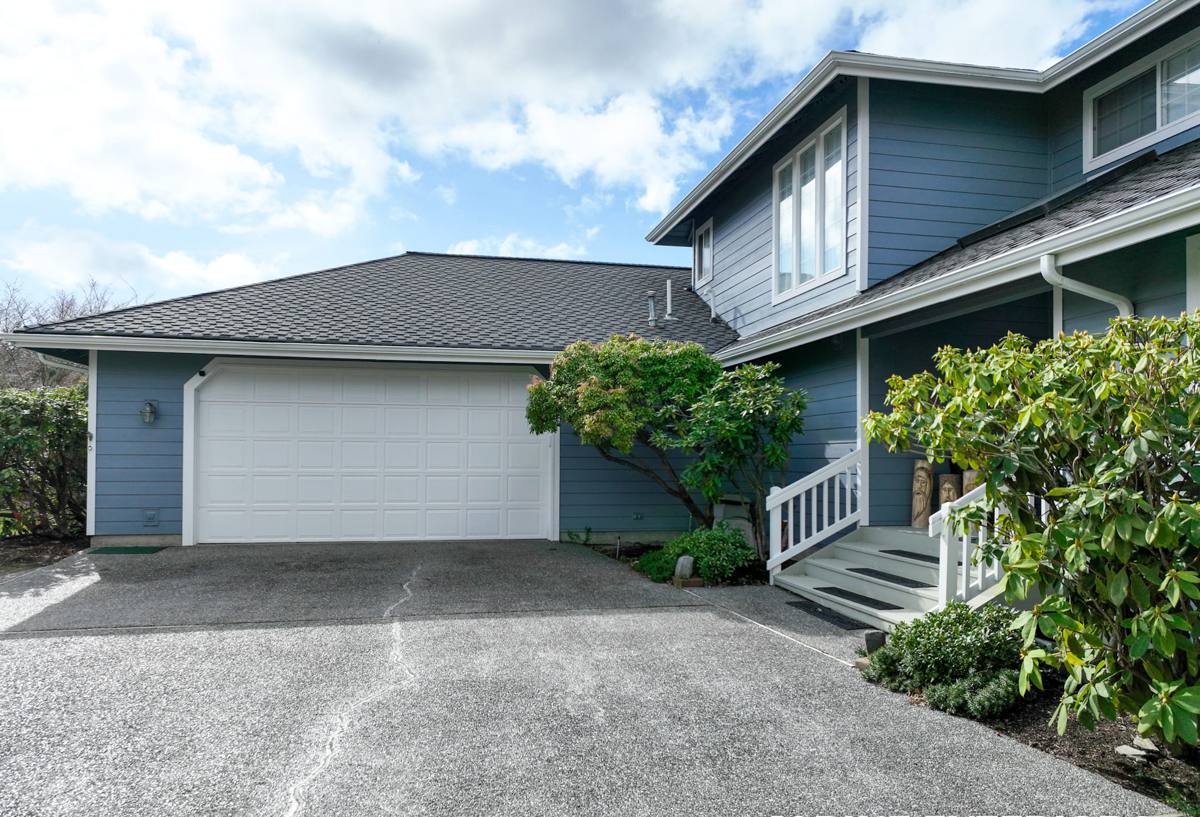
What Bow's Climate Actually Does to a Deck
Salt Air and Corrosion
Proximity to saltwater accelerates corrosion on any exposed metal — nails, screws, joist hangers, post bases, and railing hardware. Standard electro-galvanized fasteners can start rusting within a couple of seasons in a coastal-influenced environment like Bow's. Once a fastener starts to corrode, it loses holding strength long before the rust is visible from the surface, which is part of why deck fastener choice matters more here than it would forty miles inland.
Driving Rain and Wind-Driven Moisture
Rain in this part of Washington doesn't just fall straight down — wind off the water pushes it sideways, which means it gets up under railings, into ledger board connections, and behind fascia in ways a calm-weather rain never would. Any gap in flashing or sealant becomes an entry point, and wood framing that stays wet longer than it can dry out is the single biggest driver of premature deck failure.
Moss, Algae, and Shade
Decks under tree cover or on the north or east side of a house can stay damp for days after a storm passes. That moisture, combined with organic debris (needles, leaves, pollen), is exactly what moss and algae need to take hold. Beyond looking bad, a mossy deck surface gets slick and dangerous, and moss root structures hold moisture directly against the board, which speeds up rot in wood decking and can stain composite decking if it isn't cleaned off.
Choosing the Right Decking Material for This Environment
There's no single "best" decking material for every Bow property — it depends on how much sun the deck gets, your maintenance appetite, and budget. Here's how the common options actually perform in this climate, not just on paper.
| Material | Moisture & Salt-Air Behavior | Moss/Algae Resistance | Maintenance | Typical Lifespan |
|---|---|---|---|---|
| Pressure-treated fir/pine | Resists rot when properly sealed; end cuts and fastener holes need extra treatment | Low — porous surface holds moisture, needs regular cleaning | Annual cleaning, re-sealing every 2-3 years | 15-20 years with upkeep |
| Cedar | Naturally rot- and insect-resistant; still needs sealing in wet, shaded spots | Moderate — better than pine, still needs cleaning in shade | Sealing every 2-3 years, periodic cleaning | 20-25 years with upkeep |
| Composite (capped) | Excellent — doesn't absorb water or rot | Higher — smooth cap sheds moisture, though grime still needs washing off | Occasional washing, no sealing or staining | 25-30+ years |
| PVC decking | Excellent — fully synthetic, unaffected by salt air | High — least porous surface of the group | Occasional washing | 30+ years |
On a shaded, waterfront-adjacent lot in Bow, we'll usually steer clients toward composite or PVC if the budget allows, simply because the maintenance burden of wood in a persistently damp, shaded spot is real — it's not that wood "fails," it's that keeping it sealed and clean on a strict schedule is a bigger commitment than most homeowners expect. On a sunnier, more open lot, a well-built cedar deck can perform very well and is a reasonable choice for homeowners who like the look and don't mind the upkeep.
The Structural Details That Actually Matter
The decking surface is what you see, but the parts that determine whether a deck lasts are underneath and out of sight. This is where we see the most corner-cutting from lower-bid deck work.
Ledger Board Flashing
The ledger board — where the deck attaches to the house — is the single most common failure point on decks anywhere in Western Washington. Proper flashing (metal flashing plus a water-resistant membrane behind it) keeps rain from running down the siding and wicking into the house's rim joist. Skipping or shortcutting this detail is invisible on installation day and can lead to hidden structural rot behind the wall years later.
Joist Protection
Wrapping the tops and cut ends of joists with a waterproof tape barrier keeps rain from soaking into the wood through fastener holes and end grain — the two places joists rot from first. This is a small material cost that has an outsized effect on how long the frame lasts, especially under a deck surface that's shedding driving rain all winter.
Footings and Posts
Post footings need to be sized and set below frost depth and bear on undisturbed, load-rated soil — not just poured into whatever the ground happens to be at the surface. Skagit County soils vary block to block, and a footing that's undersized or poorly compacted can lead to a deck that settles unevenly over a few winters.
Fasteners and Hardware
In a salt-air environment, we use stainless steel or heavy-duty coated fasteners and connectors rated for corrosive exposure, not standard electro-galvanized hardware. It costs more up front. It's also the difference between hardware that's still sound in fifteen years and hardware that's bleeding rust stains down your fascia boards in three.
Designing Against Moss Before It Starts
Moss prevention is mostly a design problem, not a cleaning problem. A few decisions made at the framing and layout stage make an enormous difference in how much moss and algae a deck develops over time:
- Board spacing and gapping sized to let water drain through quickly instead of sitting on the surface
- Ventilation gaps and skirting design that allow airflow underneath the deck so the framing can dry out between storms
- Grading and drainage around the base of the deck so water isn't pooling against posts and footings
- Trimming sightlines discussed with the homeowner where overhanging branches keep a deck section shaded and damp longer than the rest
- Surface texture selection — some composite and PVC boards have grain patterns that shed grime more easily than others
None of this eliminates the need to occasionally wash the deck, but it dramatically reduces how often and how aggressively you have to do it.
How We Approach a Custom Deck Build in Bow
1. On-Site Design Consultation
We walk the property with you, look at sun exposure, tree cover, drainage patterns, and how the deck will connect to the house, and talk through material options honestly — including the trade-offs, not just the upsell.
2. Permitting
Most deck projects require a building permit, and requirements can differ depending on whether your property is inside Anacortes city limits or in unincorporated Skagit County. We handle pulling the correct permit and coordinating any required inspections so you're not the one chasing paperwork.
3. Framing and Structural Work
This is where the ledger flashing, joist protection, footings, and corrosion-resistant hardware described above all get built in — the parts that determine the deck's actual lifespan, not just its day-one appearance.
4. Decking, Railing, and Finish Details
Surface material, railing style, stair layout, and any built-in features (bench seating, planters, lighting) get installed and finished to spec.
5. Final Walkthrough
We walk the finished deck with you, cover basic care for whatever material you chose, and make sure everything meets code before we call the job done.
What a Deck in This Climate Costs — and Why
Exact pricing depends heavily on size, material, height off grade (which affects footing and railing requirements), and site access, but the biggest cost swing homeowners ask about is material choice versus long-term maintenance cost. It's worth thinking about both together rather than just the upfront number.
| Cost Factor | Why It Matters in Bow Specifically |
|---|---|
| Decking material | Composite/PVC costs more upfront but avoids the repeated sealing/staining cycle that shaded, damp lots demand of wood |
| Fastener and hardware grade | Corrosion-resistant hardware costs more per piece but prevents hidden structural failures from salt air exposure |
| Footing count and depth | Proper frost-depth, load-rated footings cost more than shortcuts but prevent settling |
| Ledger flashing detail | Doing this correctly the first time is far cheaper than repairing hidden rim-joist rot later |
| Deck height and railing requirements | Taller decks need code-compliant guardrails and stairs, adding material and labor |
Simple Maintenance That Extends the Life of Your Deck
- Sweep off leaves, needles, and debris regularly, especially in fall — this is the single biggest moss preventer
- Rinse or lightly wash the deck surface a couple times a year, more often in shaded areas
- Check railing and stair fasteners annually for looseness or rust bleed
- Keep gutters and downspouts near the deck clear so water isn't dumping directly onto or under it
- For wood decking, re-seal or re-stain on the schedule recommended for the product — don't wait until it visibly needs it
- Trim back vegetation that's shading or brushing against the deck surface
Why Hiring a Crew That Already Works Bow Matters
A deck built by a crew that's never worked a coastal Skagit County property tends to make the same mistakes: standard hardware instead of corrosion-resistant, minimal ledger flashing, and drainage details borrowed from a drier climate's playbook. Those choices don't show up as problems on installation day — they show up two, five, and ten years later as callbacks nobody wants to make.
We've built decks and worked exteriors across Anacortes and the surrounding Skagit County communities, including Bow, and we bring that same standard to every project regardless of size: proper flashing, corrosion-rated hardware, drainage-conscious framing, and material recommendations based on how your specific lot actually behaves through a Pacific Northwest winter — not a generic spec sheet.
If you're planning a new deck or replacing one that's showing its age, we're happy to come take a look and talk through honest options for your property. Reach out for a free, no-pressure estimate using the form below.