 Anacortes Window
 Why Ship Harbor Homes Wear Out Windows Faster
Ship Harbor sits right where Anacortes meets the water, and that location is a mixed blessing for the windows in your home. The views are hard to beat, but the exposure is real. Homes here take a steady diet of salt-laden air off Rosario Strait and the Sound, wind-driven rain that doesn't just fall straight down but gets pushed sideways into window assemblies, and a wet, shaded season that keeps moss and algae going on north and west-facing walls for months at a time. None of that is unique to any one house in the neighborhood — it's the baseline every window here has to handle, year after year.
A window that was installed correctly for a drier, more sheltered part of Skagit County can still fail early in Ship Harbor if it wasn't sealed and flashed with this specific exposure in mind. We've replaced windows that looked fine from the curb but had soft framing underneath because water had been finding its way behind the trim for years, a little at a time. That's the pattern we plan around on every job out here.
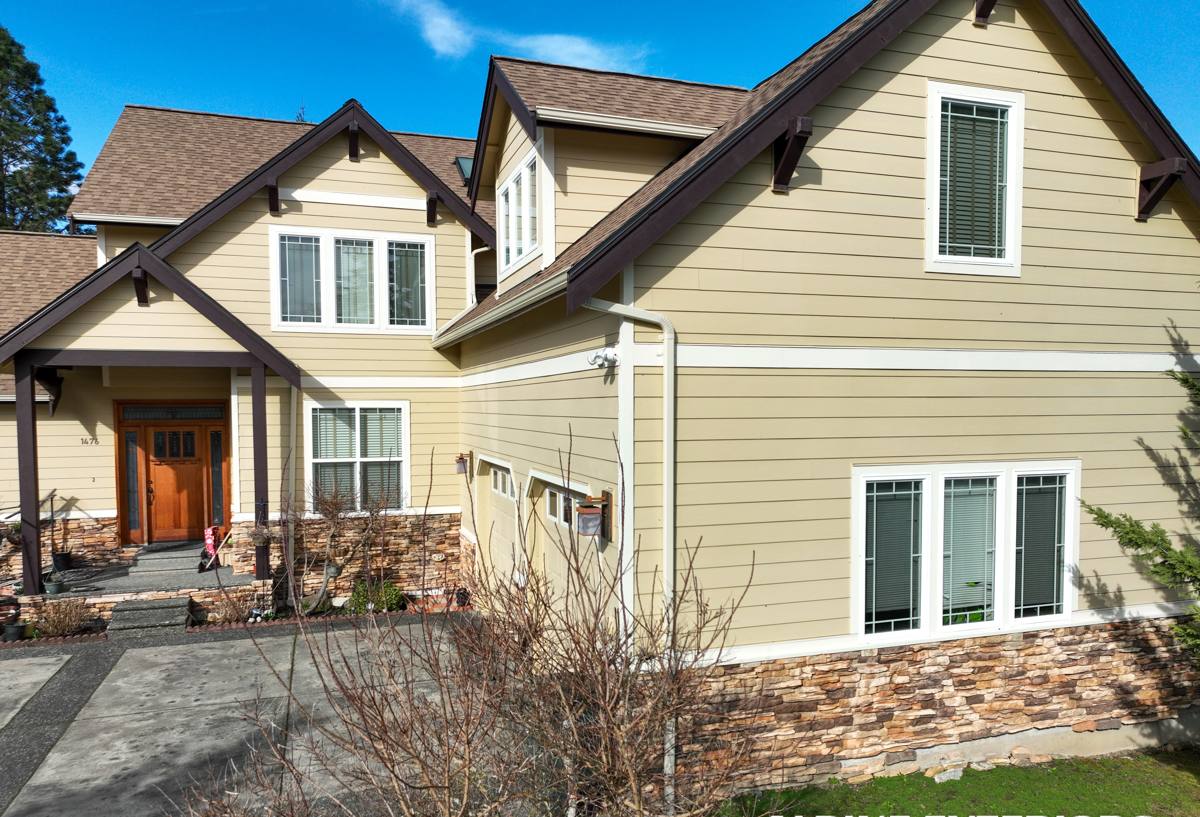
What the Ship Harbor Climate Actually Does to a Window
Salt Air and Metal Fatigue
Airborne salt accelerates corrosion on hardware, fasteners, and unprotected metal components. Cheaper hinges, cranks, and locking mechanisms can start showing pitting and stiffness years before they would inland. It also degrades some sealants and finishes faster than manufacturers' standard warranties assume, since those ratings are usually based on general climate exposure, not marine air specifically.
Wind-Driven Rain
Anacortes gets weather off the Strait that doesn't behave like a typical rain shower. Wind pushes water horizontally and even upward under eaves and around window edges, testing every seam in the installation. A window that would stay dry in a calm, straight-down rain can leak in Ship Harbor if the flashing and sealant details weren't built for lateral and upward water pressure.
Extended Moss and Damp Season
Shaded, north- and west-facing exterior walls near the water stay damp longer into the year than walls with more sun exposure. That extended dampness is exactly what moss, algae, and mildew need to establish themselves on siding, trim, and window sills. Beyond the cosmetic issue, sustained moisture sitting against wood trim or unsealed seams is what eventually leads to rot underneath a window, even when the glass and sash themselves are in good shape.
What a Correct Installation Actually Involves
Window installation quality is decided almost entirely by what you can't see once the trim goes back on. The window unit itself matters, but in a marine environment like Ship Harbor, the installation details are what determine whether that window lasts 10 years or 30.
- Removing the old window and inspecting the rough opening, sill, and surrounding framing for hidden rot or moisture damage before anything new goes in
- Repairing or replacing any compromised framing, sheathing, or sill material found during removal
- Installing a properly lapped, water-shedding flashing system around the opening — sill pan first, then side flashing, then head flashing, in that order, so water is always directed outward and down
- Using a compatible weather-resistive barrier tie-in so the window's flashing integrates with the home's existing house wrap rather than fighting against it
- Setting the window plumb, level, and square, with proper shimming so the frame isn't under stress that can crack seals over time
- Sealing with the correct sealant for the substrate and exposure — not just caulking every visible gap and calling it finished
- Insulating the gap between the window frame and rough opening without over-packing, which can bow the frame
- Reinstalling or replacing exterior trim in a way that sheds water away from the window rather than channeling it toward the seams
Skip or rush any one of those steps and the window can look perfect for a season or two while a leak path quietly develops behind the trim. This is the part of the job that separates a correct installation from one that just looks correct.
Signs a Ship Harbor Home Needs Window Replacement
Not every problem window needs full replacement — some issues are hardware or sealant repairs. But certain signs point to the window assembly itself failing, which is common on older homes in this immediate area given the exposure:
- Soft, spongy, or discolored wood trim or sill around the window, especially on north- or west-facing walls
- Persistent fogging or a visible haze between panes of double-pane glass, which means the seal has failed and the gas fill is gone
- Drafts you can feel with your hand near the frame on a windy day, even with the window fully latched
- Difficulty opening, closing, or locking the window smoothly — often an early sign of corroded or swollen hardware
- Visible gaps between the window frame and exterior trim, or caulking that has cracked, shrunk, or pulled away
- Paint or finish that's peeling specifically around the window opening while the rest of the wall looks fine, which usually points to moisture concentrated in that one area
Frame Material Comparison for This Exposure
| Frame Material | Performance Near Salt Air | Maintenance | Our Take for Ship Harbor |
|---|---|---|---|
| Vinyl (quality, welded corners) | Does not corrode; UV and salt-stable finish | Low — occasional cleaning | Strong all-around choice for this exposure and budget range |
| Fiberglass | Excellent — very stable, resists expansion/contraction from temperature swings | Low | Best long-term option where budget allows, especially on more exposed walls |
| Wood (unclad) | Requires diligent finish maintenance; vulnerable to the extended damp season | High — regular refinishing | We'll install it if requested, but we're upfront about the maintenance commitment this location demands |
| Wood-clad (vinyl or aluminum exterior) | Good — cladding protects the wood core from direct moisture | Moderate | A reasonable middle ground for homeowners who want a wood interior look |
| Aluminum (uninsulated) | Conducts cold and can corrode without proper coatings | Moderate | We generally steer away from this option this close to the water unless it's a specific architectural match |
Glass and Hardware Choices Worth the Upgrade Here
Not every upgrade a window catalog offers is worth paying for in every location, but a few are genuinely worth it in Ship Harbor specifically:
Low-E Glass with Argon Fill
Beyond the energy savings, a quality Low-E coating and gas fill help reduce condensation buildup on interior glass during the region's cool, damp months — a common complaint in homes this close to the water.
Corrosion-Resistant Hardware
Stainless steel or coated hardware on cranks, hinges, and locks costs a little more up front but avoids the pitting and stiffness that standard hardware develops under sustained salt exposure. This is one of the cheapest upgrades relative to the problem it prevents.
Impact-Rated or Laminated Glass on Exposed Elevations
On walls that take the brunt of wind-driven storms off the water, laminated glass adds durability against wind-borne debris and can improve sound dampening, which matters on breezier days near the Strait.
How Our Process Works
We treat every Ship Harbor job the same deliberate way, because the exposure here doesn't leave much room for shortcuts:
- On-site assessment. We look at each window opening individually — sun exposure, wind exposure, existing trim condition, and any signs of prior moisture intrusion.
- Honest scoping. We tell you plainly if an opening needs framing repair beyond the window itself, before work starts, not after we've found something and the invoice is already climbing.
- Removal and inspection. Old windows come out carefully so we can fully inspect the rough opening rather than installing new units over hidden problems.
- Correct flashing sequence. Sill pan, side flashing, head flashing — installed in the order that actually sheds water, tied properly into the existing weather barrier.
- Precision setting. Every window is shimmed, leveled, and squared before it's fastened, so the frame isn't fighting stress that shortens the life of its seals.
- Sealing and insulating. Correct sealant for the material and exposure, proper low-expansion insulation in the gap, no over-packing.
- Trim and finish work. Exterior trim reinstalled or replaced so water is directed away from the window, not toward it.
- Final walkthrough. We check operation, sealing, and appearance with you before we call the job done.
Mistakes We Commonly Find From Prior Installations
A good share of our replacement work in this neighborhood isn't first-time installation — it's correcting problems from a prior job that wasn't built for this exposure. The most common issues we find:
- Flashing installed in the wrong order, or skipped entirely and replaced with caulk alone
- Sill pans missing, meaning any water that does get past the window has nowhere to go but into the framing
- Trim reinstalled tight against the siding with no drainage path, trapping moisture instead of shedding it
- Standard hardware used on a window that needed corrosion-resistant components for this exposure
- Gaps sealed with caulk that isn't rated for the movement and exposure the joint actually sees, so it cracks within a few seasons
None of these are dramatic mistakes at the time they're made — they're the kind of shortcuts that only show up as a problem three, five, or ten years later, which is exactly why they're common and why they're expensive to fix once discovered.
Maintaining Your Windows Once They're In
Even a correctly installed window benefits from a little seasonal attention in a climate like this one. A short annual routine goes a long way:
- Rinse salt residue and grime off exterior glass and frames periodically, especially after storms off the water
- Inspect exterior caulking and sealant lines each spring and fall for cracking, gaps, or separation from the frame
- Check for and gently remove moss or algae buildup on sills and surrounding trim before it holds moisture against the surface
- Lubricate cranks, hinges, and locking hardware to keep salt-air corrosion from setting in
- Keep gutters and downspouts clear so roof runoff isn't dumping extra water directly onto window heads below
- Watch for condensation between panes, which signals a failed seal worth addressing before it worsens
Why Local Ship Harbor Experience Matters
Window installation isn't a one-size-fits-all trade, and the difference between a generalist crew and one that regularly works this specific stretch of Anacortes shows up years later, not on installation day. We know which elevations in this neighborhood take the worst of the wind-driven rain, which materials hold up honestly against the salt air instead of just looking good in a showroom, and how the extended damp season here changes the maintenance conversation compared to a home even a few miles inland in Skagit County. That's not something you get from a manufacturer's spec sheet — it's something you get from doing this work in this location, repeatedly, and paying attention to what actually holds up.
If you're weighing a window replacement or noticing early signs of trouble on your Ship Harbor home, we're glad to take a look and give you a straightforward assessment — no pressure, no upsell, just an honest read on what your windows actually need. Use the form below to request a free estimate.