 Anacortes Window
 Roofing in Sedro-Woolley: A Different Set of Problems Than the Coast
Sedro-Woolley sits inland from Anacortes, tucked against the foothills where the Skagit Valley starts to climb toward the Cascades. That position changes what a roof has to deal with. Homes closer to the water fight salt air and wind-driven rain off Fidalgo Bay. Sedro-Woolley roofs deal with more tree cover, more shade pockets, and a moss season that runs longer than most homeowners expect. Add in the valley's tendency to hold moisture in the air through fall and winter, and you get roofs that stay damp longer after every storm than a roof twenty minutes away in more open, wind-exposed terrain.
None of that means Sedro-Woolley roofs fail faster. It means they fail differently, and a roofing crew that only works dry, exposed rooftops elsewhere in Skagit County can miss the specific wear patterns that show up here: moss bridging shingle tabs, ridge caps that trap moisture under tree debris, and north-facing slopes that never fully dry between rain events.
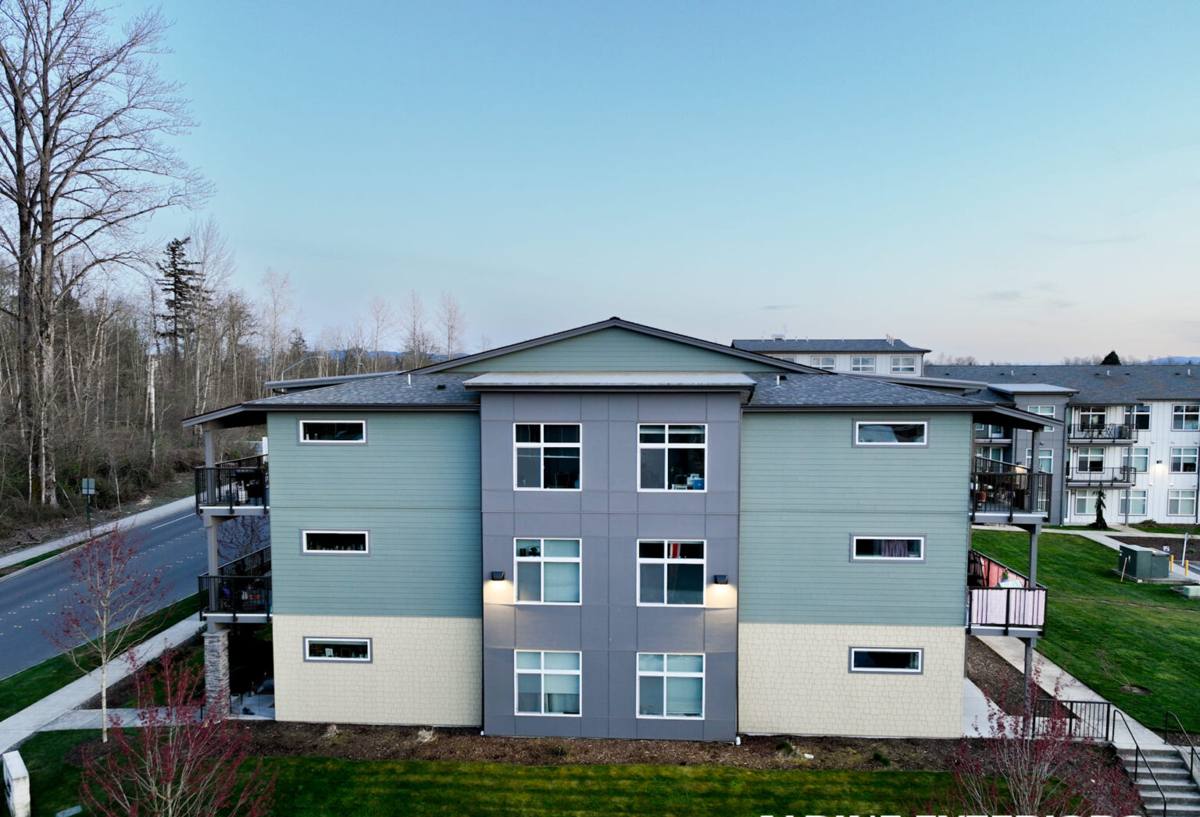
How Local Climate Shapes a Roof Replacement Here
Moss Season Is Longer Than People Think
In more open parts of Skagit County, sun and wind knock moss back for stretches of the summer. In tree-shaded Sedro-Woolley yards, moss can hold on nearly year-round on north- and east-facing slopes. Moss isn't just cosmetic — it lifts shingle edges as it grows, holds water against the roof deck, and accelerates granule loss on asphalt shingles. A roof replacement here needs to account for that from the start, not treat moss as an afterthought to be power-washed away later.
Driving Rain and Roof Transitions
Sideways rain during fall and winter storms finds every weak transition on a roof — valleys, chimney flashing, skylight curbs, and where a roof meets a wall. These are the spots where a rushed or budget install shows problems first, usually within a year or two, not decades. A correct replacement treats every transition as its own detail, not a place to save time.
Temperature Swings and Material Movement
Skagit Valley winters bring damp cold, and summers can push attic temperatures well above what the living space feels. That daily and seasonal expansion and contraction is part of why fastening patterns, underlayment choice, and proper attic ventilation matter as much as the shingle or metal panel itself.
What a Correct Roof Replacement Actually Involves
A roof replacement is not just stripping old material and nailing down new. Done right, it's a sequence, and skipping steps is where most premature failures start.
- Tear-off and deck inspection. Old roofing comes off down to the deck so we can actually see it — not just feel for soft spots through existing layers.
- Deck repair. Any rotted, delaminated, or water-damaged sheathing gets replaced. Roofing over a compromised deck just hides a problem that will resurface as a leak.
- Ice and water shield at vulnerable zones. Eaves, valleys, and around penetrations get self-adhering waterproof membrane, not just felt paper, given how long moisture sits in this climate.
- Underlayment across the full deck. A synthetic or felt underlayment provides the secondary water barrier under the primary roofing material.
- New flashing at every transition. Chimneys, skylights, sidewalls, and vents get new flashing — reusing old flashing is a common shortcut that causes leaks down the road.
- Roofing material installation. Shingles, metal panels, or another system installed to manufacturer spec, including proper nailing patterns and exposure.
- Ventilation check and correction. Ridge and soffit venting balanced so the attic can actually breathe, which protects the new roof from the inside out.
- Cleanup and magnetic sweep. Full site cleanup, including a nail sweep of the yard and driveway.
Choosing a Roofing System for This Climate
There's no single "best" roofing material — the right choice depends on the home's roof pitch, tree cover, budget, and how long the owner plans to stay. Here's how the common options compare for a Sedro-Woolley property specifically.
| Material | Typical Lifespan | Moss Resistance | Considerations Here |
|---|---|---|---|
| Architectural asphalt shingle | 25-30 years | Moderate (better with algae-resistant granules) | Most common, good value, needs periodic moss treatment on shaded slopes |
| Standing seam metal | 40-50+ years | High | Sheds moisture fast, performs well under tree cover, higher upfront cost |
| Synthetic/composite shingle | 30-50 years | Moderate to high | Good impact resistance, useful where falling branches are a concern |
| Cedar shake | 20-30 years with upkeep | Low without treatment | Needs regular maintenance in a moss-prone, shaded environment |
For heavily treed Sedro-Woolley lots, we often steer homeowners toward algae-resistant shingles or metal specifically because they hold up better against sustained moss pressure. That's a maintenance and moisture-behavior recommendation based on how these materials perform under shade, not a knock on any manufacturer.
Signs a Sedro-Woolley Roof Needs Replacing, Not Patching
- Granules collecting in gutters or at downspout outlets in noticeable amounts
- Moss established across large areas rather than isolated patches
- Shingles that are cupping, curling, or cracking, especially on shaded slopes
- Daylight visible through the roof deck from inside the attic
- Recurring leaks in the same spot despite prior patch repairs
- Roof age approaching or past its material's expected service life
- Soft or spongy feel underfoot during inspection, indicating deck damage
- Missing or damaged flashing at chimneys, valleys, or skylights
One or two of these on their own might mean a repair is enough. Several together, especially combined with a roof already in its second or third decade, usually mean a replacement is the more honest recommendation — patching a roof that's structurally past its point just delays a bigger repair bill.
Why Hiring a Crew That Already Works Sedro-Woolley Matters
Roofing crews that mainly work flatter, sunnier terrain sometimes underestimate how much shade and moisture change a roof's needs here. A crew that regularly works Sedro-Woolley and the surrounding Skagit County valley knows which slopes hold moss year-round, which roof styles trap debris in valleys, and how local permitting and inspection processes work without having to learn it on the homeowner's dime. That familiarity shows up in small decisions — where to add extra ice and water shield, which vents actually need upgrading, how tight to set shingle exposure for wind exposure that's real but different than the coast.
It also matters for scheduling. Roofing in this region has a real weather window, and a crew that knows the valley's rain patterns plans tear-offs and material staging around it, so a home isn't left exposed to an unexpected system moving through.
Our Process, Start to Finish
1. On-Site Inspection and Honest Assessment
We start with a full roof and attic inspection — not just a look from the ground. We check the deck condition, ventilation, flashing, and moss or moisture patterns specific to the property's shade and exposure.
2. Written Estimate With Real Options
We provide a written scope and estimate that lays out material options and what's actually driving the price — deck repair, complexity of the roofline, and material choice — so there are no surprises mid-project.
3. Scheduling Around Weather
We plan tear-off and installation around realistic weather windows for this area rather than rigid calendar dates, protecting the home from exposure during the work.
4. The Install
Tear-off, deck repair as needed, waterproofing at vulnerable zones, new flashing, material installation, and ventilation correction — done in that order, with the deck inspected before anything gets covered back up.
5. Final Walkthrough
We walk the completed roof and the site with the homeowner, cover care and moss-prevention basics specific to their property's shade conditions, and make sure cleanup is complete.
Cost Factors Worth Understanding Before You Ask for a Number
Roof replacement pricing varies enough by property that a single number for "roof replacement in Sedro-Woolley" isn't honest. What actually drives the estimate:
| Factor | Why It Matters |
|---|---|
| Roof size and pitch | Steeper roofs take longer, require more safety setup, and use more material |
| Number of layers to remove | Tear-off cost rises with each existing layer of roofing |
| Deck condition | Rotted sheathing found during tear-off adds material and labor |
| Material choice | Asphalt, metal, and composite systems carry different material and install costs |
| Roof complexity | Valleys, dormers, skylights, and chimneys each add flashing and labor time |
| Ventilation upgrades | Adding or correcting ridge/soffit venting is often bundled into a replacement |
Because of that spread, we prefer giving homeowners a real number after seeing the actual roof rather than a rough range that doesn't hold up once we're on the ladder.
Maintenance That Extends the Life of a New Roof Here
A new roof still needs upkeep in this climate, especially on shaded lots.
- Keep gutters clear so water isn't backing up under the roof edge
- Trim back overhanging branches to reduce shade and debris buildup on the roof surface
- Have moss treated at the first sign of regrowth rather than waiting for full coverage
- Schedule a roof check after major storms, not just on a fixed annual schedule
- Address any small flashing or sealant issues promptly before they become deck damage
If your roof is showing wear, or you're just trying to plan ahead before the next wet season, we're happy to take a look and give you a straight answer about what your roof actually needs. Fill out the form below for a free, no-pressure estimate.