 Anacortes Window
 Old Town Anacortes Roofs Work Harder Than Most
Old Town sits close enough to the water that salt air is a constant, not an occasional thing. Add in driving rain off Rosario Strait and Guemes Channel during fall and winter storms, and a long, damp moss season that stretches from late fall into spring, and you've got a roof that's under attack from three directions at once. None of that is dramatic on its own, but stacked year after year, it shortens the life of materials that would last longer somewhere drier and calmer.
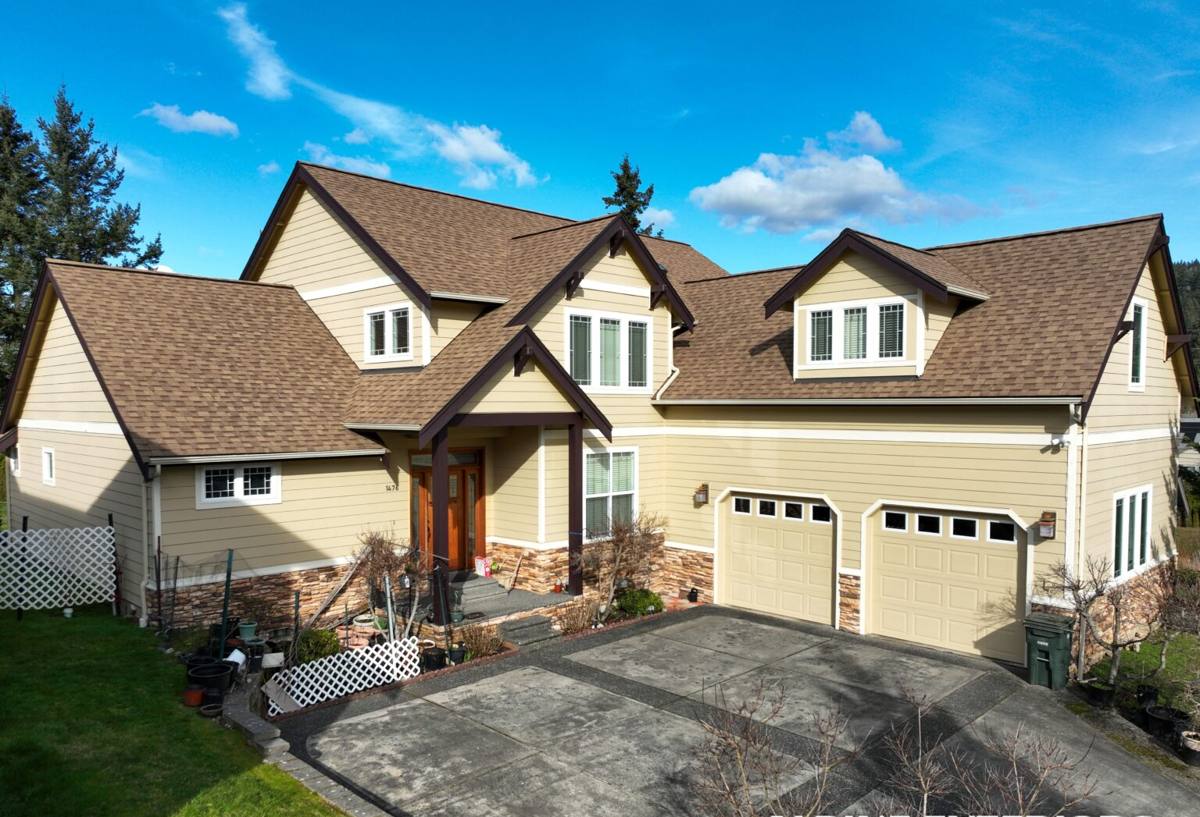
A lot of the homes in this neighborhood are older, with steeper pitches, multiple valleys, and dormers that were common in earlier building eras. Those roof shapes look great, but they also create more seams, more flashing, and more places where wind-driven rain can find a way in if the original install wasn't done with that in mind. Replacing a roof here isn't just swapping old shingles for new ones — it's an opportunity to fix the details that were never built for this climate in the first place.
What Actually Wears Out a Roof in This Climate
Salt Air and Metal Fatigue
Salt-laden air accelerates corrosion on exposed metal — nails, flashing, gutter hardware, and vent caps. Once corrosion starts on a fastener or flashing edge, it doesn't stop; it just gets easier for water to follow that path underneath the shingles.
Moss and Trapped Moisture
Moss doesn't just look bad. It holds moisture against the shingle surface, works its way under shingle edges as it grows, and lifts tabs enough for wind-driven rain to get underneath. On north-facing slopes and shaded roof sections, which are common in this tree-lined neighborhood, moss can take hold within a couple of seasons of neglect.
Driving Rain, Not Just Volume
It's not the amount of rain that causes the most damage here — it's the direction. Wind-driven rain off the water gets pushed sideways and upward under eaves, ridge caps, and valley flashing that would be fine in a straight-down rain. That's why flashing detail and underlayment choices matter more here than in inland areas with similar total rainfall.
What a Correct Roof Replacement Includes
A roof replacement done right in Old Town isn't just fasten-and-go. Every job should include:
- Full tear-off to the deck — no roofing over existing layers, which traps moisture and hides deck problems
- A real inspection of the roof deck for soft spots, rot, or delamination before anything new goes down
- Ice-and-water shield at eaves, valleys, and around penetrations — not just where code minimums require it
- Properly lapped synthetic underlayment across the full deck, not just felt paper
- New step and counter-flashing at walls, chimneys, and dormers rather than reusing old, corroded pieces
- Balanced intake and exhaust ventilation so the attic can actually dry out between storms
- Matching fastener and flashing materials selected for coastal exposure, not generic inland-grade hardware
Skipping any one of these doesn't usually cause a problem in year one. It shows up as a leak, a soft spot, or premature granule loss three to seven years down the road — right when it's hardest to trace back to the install.
Material Choices That Make Sense Near the Water
There's no single "best" roofing material for every home in Old Town — it depends on the roof's pitch, the home's style, and how much long-term maintenance you want to take on. Here's how the common options compare for this specific climate:
| Material | How It Handles Salt Air & Moisture | Moss Resistance | Maintenance |
|---|---|---|---|
| Standard 3-tab asphalt shingle | Fair — lower-cost fasteners and thinner mat wear faster | Low without treatment | Moderate to high over time |
| Architectural (laminate) shingle | Good — heavier mat, better wind and impact rating | Better with algae-resistant granules | Moderate |
| Standing-seam metal | Excellent with coastal-rated coatings and fasteners | High — sheds moisture, little surface for moss to grip | Low |
| Cedar shake | Requires diligent upkeep in damp, salty conditions | Low without regular treatment | High |
We tend to steer homeowners here toward architectural shingles with algae-resistant granules or a coastal-rated metal system, simply because they hold up with less babysitting. Cedar shake can still look beautiful on the right home, but we're honest about the maintenance commitment it takes to keep it performing in this kind of moisture and salt exposure — it's a trade-off, not a defect in the product.
Ventilation and Moss Prevention Built Into the Job
A new roof is also the right time to fix ventilation, because it's far cheaper to address while the roof is already open than to retrofit later. Proper intake vents at the soffits paired with exhaust at the ridge keep the attic closer to outdoor temperature and humidity, which reduces condensation on the underside of the deck — a common source of hidden rot in older Old Town homes with limited original venting.
For moss, we install zinc or copper strips near the ridge on request, which release trace metal ions that discourage regrowth every time it rains. It's not a substitute for keeping trees trimmed back off the roofline, but it meaningfully slows how fast moss re-establishes on shaded slopes.
Our Process, Start to Finish
- On-site assessment — we walk the roof, check the attic from inside where accessible, and look at flashing, valleys, and vent penetrations, not just the shingle surface.
- Written scope and pricing — you get a clear breakdown of tear-off, deck repair allowances, materials, and flashing work before we schedule anything.
- Tear-off and deck inspection — old material comes off down to the deck, and any rotted or delaminated sheathing gets replaced before new underlayment goes down.
- Underlayment and flashing — ice-and-water shield, synthetic underlayment, and new flashing go in with coastal exposure in mind.
- New roofing installed — following manufacturer specs for nailing pattern and exposure, which matters for wind rating in a windy strait-side location.
- Cleanup and magnetic sweep — job site and yard cleared of debris and stray fasteners.
- Final walkthrough — we go over the finished roof with you before calling the job done.
What Drives Cost on an Old Town Roof
Every roof is priced on its own specifics, but these are the factors that move the number most in this neighborhood:
| Factor | Why It Matters Here |
|---|---|
| Roof pitch and number of valleys | Older, steeper roof lines take longer and require more flashing detail |
| Deck condition | Homes with a history of moss or slow leaks often need sheathing replacement |
| Access and site constraints | Narrow lots, mature trees, and street parking can affect staging and disposal |
| Material selection | Metal and premium architectural shingles cost more upfront but less in upkeep |
| Layers of existing roofing | Multiple old layers add tear-off time and disposal weight |
As a broad range, most full replacements on a typical Old Town home run from the mid five figures for a straightforward architectural shingle roof to notably more for larger, complex rooflines or a full metal system. We'll always give you specific numbers after seeing the actual roof, not a phone estimate.
What to Expect During the Job
We schedule around Skagit County's weather windows as much as possible, since a roof torn open in a sideways rainstorm is nobody's idea of a good time. Expect noise, some vibration inside the house during tear-off, and a dumpster or trailer on-site for the duration. We tarp and protect landscaping, gutters, and siding before work starts, and we don't leave a deck exposed overnight without dry-in protection.
Why It Matters That We Already Work in Old Town
A crew that's replaced roofs elsewhere but hasn't spent real time in Old Town can still do competent work — but they're guessing at things a local crew already knows: which slopes hold moss longest, how the wind actually moves off the water against these older rooflines, and what Skagit County's permitting and inspection process expects for a home like yours. That familiarity shows up in the small decisions — where to add extra ice-and-water shield, which flashing detail to reinforce — that separate a roof that lasts from one that needs attention again in a few years.
If you're not sure whether your roof needs full replacement or just targeted repair, we'd rather tell you the truth than sell you more than you need. Reach out for a free, no-pressure estimate — we'll walk the roof, explain what we find, and give you options that make sense for your home and your budget.