 Anacortes Window
 Why Mount Vernon Siding Has to Work Harder Than It Looks
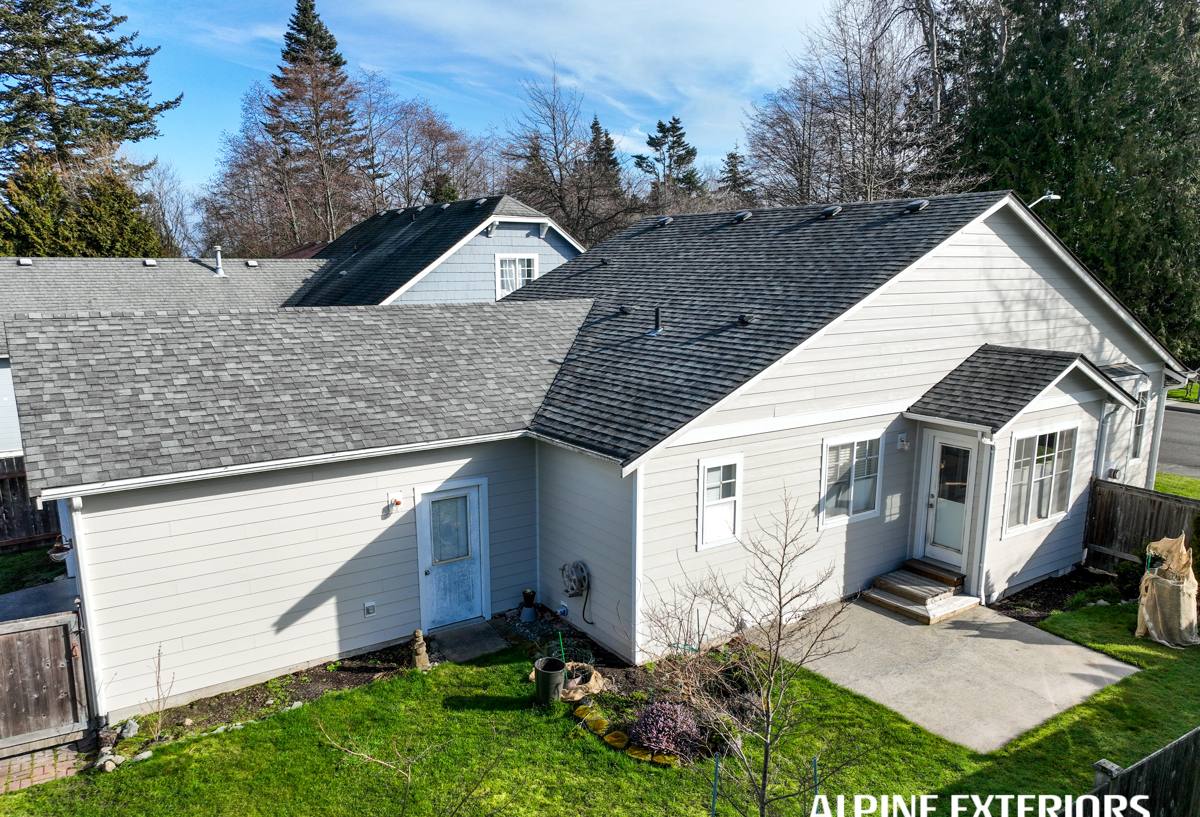
Mount Vernon sits in the Skagit Valley, close enough to the water that homes here deal with a version of the same weather that hammers the rest of Skagit County: salt-tinged marine air moving in off the Sound, long stretches of driving rain, and a damp shoulder season that can stretch from October well into April. Add the valley's low fog and the shaded, tree-lined lots common in older Mount Vernon neighborhoods, and you get siding conditions that are tougher than they look from the street.
None of this is dramatic weather. It's not hurricanes or hail. It's slow, steady moisture exposure, year after year, that either gets managed correctly at installation or quietly finds its way behind the cladding. Siding that looks fine for the first few years can still be failing underneath if it wasn't installed with this climate in mind. That's the gap we see most often when we're called out to look at a home with peeling paint, soft trim, or dark streaking that won't scrub off — it's rarely the siding material itself that failed. It's how it was put on.
What This Climate Demands From a Siding Material
For a Skagit County home, siding needs to do three things well: shed water without trapping it, resist the mold and moss that thrive in constant dampness, and hold up to salt-influenced air without corroding fasteners or breaking down the surface finish. A lot of siding materials can do one or two of these. Very few do all three without ongoing upkeep.
- Wood siding needs regular repainting and is vulnerable to rot wherever moisture sits against it
- Vinyl siding can warp or crack in temperature swings and offers almost no defense against the wind-driven rain common here
- Engineered wood products are sensitive to edge and cut-end moisture intrusion if the install isn't precise
- Fiber cement, installed correctly, resists moisture absorption, won't rot, and holds paint or factory finish far longer than wood
Fiber cement siding is a mix of cement, sand, and cellulose fibers, pressed and cured into boards and panels. It's non-combustible, dimensionally stable, and doesn't feed insects the way wood does. For a Mount Vernon home dealing with regular rain and a long moss season, that combination of moisture resistance and low maintenance is exactly what matters most.
Why We Only Install James Hardie
Fiber cement is a category, not a single product, and the differences between brands show up over time, not on day one. We standardized on James Hardie siding exclusively — we don't install LP SmartSide, vinyl, Cemplank, Allura, or primed wood — because after years of doing this work, the consistency matters more than the sales pitch.
Hardie's HZ5 product line is engineered specifically for climates like ours, with freeze-thaw cycling and moisture exposure built into the formulation. The ColorPlus factory finish is baked on under controlled conditions rather than field-painted, which means better color retention and fewer touch-ups over the life of the siding. And Hardie backs its products with a strong, transferable warranty — something that matters to a homeowner in Mount Vernon who may sell the house down the road. We're not against other fiber cement products because they're bad materials. We just won't put our name on an install where we can't stand fully behind the manufacturer's engineering and warranty support for this specific climate.
What Correct Installation Actually Involves
Fiber cement siding is only as good as the install underneath it. Hardie's own installation instructions are detailed for a reason — skip a step and you can turn a 30-year product into a 10-year problem. A correct job on a Mount Vernon home includes:
| Step | Why It Matters Here |
|---|---|
| Weather-resistant barrier, properly lapped | Backs up the siding as the real water-shedding layer against driving rain |
| Flashing at windows, doors, and penetrations | Directs water away from the most common leak points on any home |
| Correct fastener spacing and type | Prevents panel movement and reduces corrosion risk in salt-influenced air |
| Minimum ground clearance | Keeps siding out of splash-back moisture and standing wet mulch or soil |
| Sealed and primed cut ends | Cut edges are the most vulnerable point for moisture absorption |
| Proper caulking at joints and trim | Stops water intrusion without trapping moisture behind the board |
Every one of those steps is invisible once the job is finished. That's exactly why it matters who does the work — a rushed or careless install looks identical to a correct one until the first few wet winters expose the difference.
Our Process for a Mount Vernon Siding Job
We start with an in-person inspection of the existing siding, sheathing, and trim, because what's underneath the current siding often matters more than what's on top of it. If there's hidden rot or moisture damage from a prior install, that gets addressed before a single new board goes up — covering a wet wall with new siding just delays the problem.
From there we walk through product lines, colors, and trim options, and put together a written scope that spells out exactly what's included: house wrap, flashing details, trim package, and finish. Once the work starts, we sequence it to keep the home weather-tight at every stage rather than leaving walls exposed longer than necessary, which matters given how often Skagit County sees rain outside the peak summer months. We do a final walkthrough with the homeowner before calling the job done, not just a drive-by inspection.
Living With Fiber Cement Siding in the Skagit Valley
Moss and Mildew
Moss doesn't grow on the siding itself as much as it grows in the grime and organic debris that collects on shaded, north-facing walls and in horizontal trim. A periodic soft wash — garden hose and mild detergent, not a pressure washer aimed directly at seams — keeps that buildup from taking hold. Hardie's factory finish resists staining far better than field-applied paint, which cuts down on how often this is needed.
Trim and Caulk Checks
Caulking at trim joints and penetrations is the one maintenance item worth checking annually on any home in this climate, regardless of siding brand. It's a five-minute visual check that catches small gaps before they become a winter's worth of water intrusion.
What You Won't Need to Do
You won't be repainting the whole house every five to seven years the way you would with wood siding, and you won't be watching for the warping and fading that vinyl siding shows after enough seasons of sun and rain. That's the practical payoff of the material and finish, not just a manufacturer claim.
What to Look for When Hiring a Siding Contractor in Mount Vernon
Not every contractor who lists siding as a service has real experience with fiber cement installation in this specific climate. Since the workmanship is what determines whether the material performs for decades or fails in a handful of years, it's worth being selective.
- Ask whether they're a certified or factory-trained Hardie installer, not just someone who has "worked with it before"
- Ask how they handle flashing and water-resistant barrier detail, not just the visible siding installation
- Get a written scope that names the specific product line, not just "fiber cement siding" as a generic line item
- Ask how cut ends and field cuts are sealed before installation
- Confirm who is responsible for warranty registration and what the transferable warranty terms actually cover
- Look for a crew that regularly works Skagit County homes and understands the moisture and moss conditions specific to this area
A contractor who works this region regularly has already seen what happens when flashing is skipped or fasteners are wrong for the climate — and has adjusted their process accordingly. That local pattern recognition is hard to substitute for.
Is Fiber Cement Right for Your Mount Vernon Home?
For most homes in this part of Skagit County, the case for fiber cement over wood, vinyl, or engineered wood siding comes down to a straightforward trade: a higher upfront investment in exchange for decades of reduced maintenance and a material genuinely built for wet, salt-influenced weather. It's not the right call for every budget or every home, and we'll say so plainly if that's the case during an inspection rather than push a sale.
If you're weighing your options for a home in or around Mount Vernon, we're happy to take a look, walk you through what your specific home needs, and put together a straightforward, no-pressure estimate. There's no obligation — just an honest read on your siding and what it would take to get it right.